REVIEW · PAMUKKALE & HIERAPOLIS TOURS
Day Tour – Pamukkale, Travertines and Hierapolis Tour from Kusadasi
Book on Viator →Operated by Fez Travel · Bookable on Viator
Turkey does snow, no mountains needed. This day tour brings you to the UNESCO Pamukkale travertines and the ancient thermal world of Hierapolis in one smooth run from Kusadasi. I love how the guide explains the geology behind the white terraces, and I love the chance to soak in the naturally formed spring pools with a real sense of place. One watch-out: it’s a long day, and a chunk of time can feel swallowed by the drive and a few optional shopping stops.
The payoff is the contrast: bright calcium-white terraces in daylight, then hot-spring pools surrounded by Roman ruins. I also like that the group is capped at 14 people, so you’re not stuck in a herd. The possible drawback is simple: there’s plenty of walking, and if your legs aren’t great, you’ll want a plan for breaks.
In This Review
- Key Highlights Worth Your Attention
- Why Pamukkale’s Cotton-Castle Look Feels Unreal
- The 8:00 AM Kusadasi Start: How the Drive Shapes Your Day
- Soaking in Hierapolis Thermal Pools: What to Expect and What to Bring
- Hierapolis Ruins: Necropolis, Roman Theater, and St Philippe
- Small-Group Touring (Max 14): Why It Feels Less Like a Conveyor Belt
- Price and Value: What You’re Paying For (and the Fees You Should Expect)
- Walking, Sun, and Shopping Detours: The Stuff That Can Make or Break the Day
- Should You Book This Pamukkale and Hierapolis Tour?
- FAQ
- What time does the Pamukkale and Hierapolis tour start?
- How long is the tour?
- What is the group size limit?
- Are entrance fees included in the price?
- Is lunch included?
- Do I need a swimsuit for the thermal pools?
- What is the cancellation policy?
Key Highlights Worth Your Attention
- Max 14 people means the pace feels manageable, not mass-tour rushed.
- Pamukkale’s terraces are mineral deposits built by hot spring water flowing down about 200 meters.
- Thermal pool time is a proper break, but you’ll need to bring your swimsuit.
- Hierapolis big-ticket ruins include the necropolis and a Roman theater once built for 12,000.
- Photo stops at Pamukkale help you catch those stark white terraces from smart angles.
- Hotel pickup and AC coach make the long drive less annoying than it could be.
Why Pamukkale’s Cotton-Castle Look Feels Unreal
Pamukkale is one of those places where your brain keeps saying, That can’t be real. The terraces look like frozen waterfalls or snowdrifts, but up close you’re seeing white travertine formed by mineral-rich hot springs. The guide’s job here is to connect the visual to the science: hot water moves through the limestone, carries dissolved minerals, and then deposits them as it reaches the surface. That buildup creates the stepped plateaus you’ll walk across and photograph.
This is also where the scale matters. From a distance, the area reads like a single bright slope. On foot, you’ll notice the texture and the uneven edges where deposits have built up over time. And yes, it’s the kind of site where you’ll want to take the slower route just to keep finding new viewpoints. The best part of having a guide is not just the facts. It’s that they’ll point out what to look for—where you’ll get the strongest visual contrast, and what those deposits mean.
Timing helps too. You’ll get time to stroll and soak in the scenery before moving on to Hierapolis. If you’re visiting in mid-summer, go ready for sun and heat. The whiteness reflects light hard, and it can feel brighter than you expect.
You can also read our reviews of more tours and experiences in Kusadasi.

The 8:00 AM Kusadasi Start: How the Drive Shapes Your Day
You’ll start in the morning with hotel pickup, with the day beginning around 8:00 am. The basic rhythm is: ride east to Pamukkale, then continue to Hierapolis, then head back to Kusadasi.
Here’s the reality check: it’s a long haul. Even with an air-conditioned coach and a comfortable setup, you’re spending hours on the road. One of the most consistent pieces of advice is to treat this like a logistics game, not a quick side trip. If you’re the type who likes to linger, you’ll want to mentally budget your time so you don’t feel shortchanged at Pamukkale or the ruins.
The other timing factor is pacing. Some parts are guided, other parts are free time—especially around the pools and meal stop. If you’re hoping for a slow, independent exploration of every corner, this format may not satisfy. The tour is built to hit key highlights within a single day.
My practical suggestion: plan your expectations around what matters most to you. If Pamukkale is your priority, focus your photo and walking time there. If Hierapolis ruins are your priority, be ready to move efficiently during the Roman-site walk so you don’t feel rushed.
Soaking in Hierapolis Thermal Pools: What to Expect and What to Bring
The thermal pools are the emotional core of Hierapolis. After you arrive, you’ll get free time to soak in the naturally formed springs. This is not just a photo stop. It’s the moment where the day shifts from sightseeing to comfort—hot water, steam, and time to reset.
Bring a swimsuit. That part isn’t optional if you want the full experience. The tour info also makes it clear that pool entrance and related access fees are at your own expense, so don’t assume the thermal time is fully covered. In other words, check what you’re paying for on the day and bring cash/card as required.
Also, consider crowd levels. During hot months, the pools can be busy. You might still soak, but if you’re sensitive to crowds or you’re not feeling the swim, you can treat the pool area as a place to hang out and enjoy the setting rather than forcing it. The big visual is the contrast between the warm spring setting and the surrounding Greco-Roman atmosphere.
One more practical note: water time can stretch you out. If you’re prone to losing track of time when relaxing, set a mental limit so you still have enough energy for the Hierapolis walk afterward.
Hierapolis Ruins: Necropolis, Roman Theater, and St Philippe
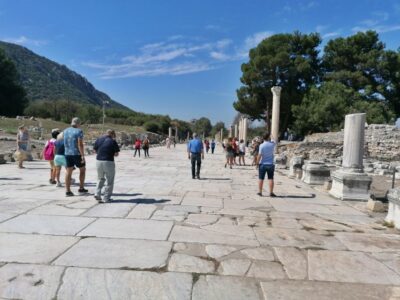
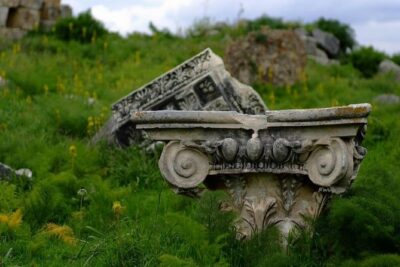
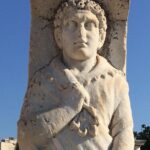
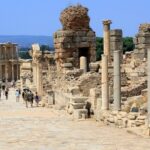
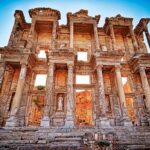
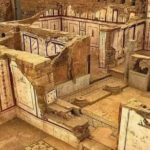
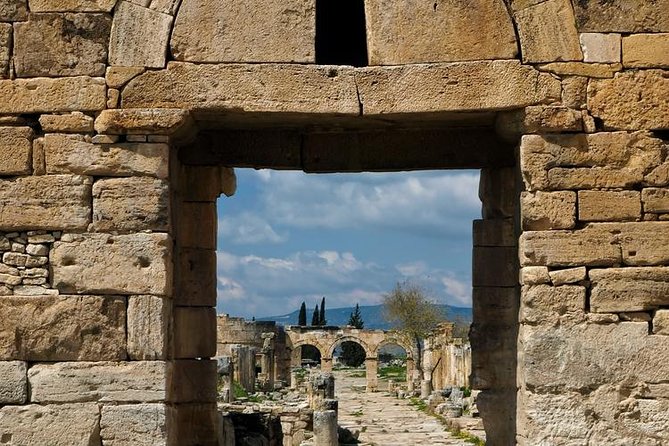
After the soaking break, you’ll switch gears to walking through the ancient city of Hierapolis. This part is all about ruins with scale. The necropolis (Roman graveyard) gives you that sprawling sense of how long the site was used. It’s not tiny details—you’ll feel the size of the place.
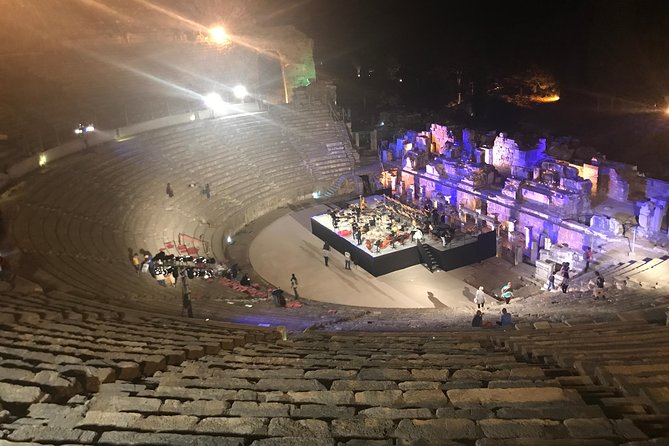
Then there’s the Roman theater. The tour highlights that it once seated 12,000 people, and once you stand there, you’ll understand why this kind of structure defined entertainment and public life. Even if you don’t go full history-mode, the theater gives you a sense of the engineering and social power of Roman cities.
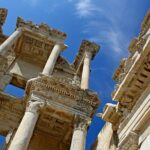
Finally, you’ll stop at St Philippe Martyrion (Basilica of St Philippe), where the guide shares the story of an early Christian worship site. This matters because Hierapolis isn’t only Roman. It’s also a site where the religious story layers over the older city fabric. That stop gives you a human thread through the stones.
Time is the usual constraint. Hierapolis is more than one landmark. You’re seeing several highlights in a single day, so you’ll want to be okay with that. If you want deep, slow ruin study, plan to return later or add another day in the region.
Small-Group Touring (Max 14): Why It Feels Less Like a Conveyor Belt
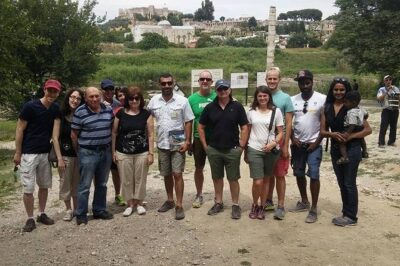
The tour’s small-group cap at 14 people is a big deal for two reasons. First, it helps with questions. You’re not shouting over a busload. Second, it keeps movement tighter, so the guide can actually manage the flow between photo spots, pool time, and the ruins walk.
Guide quality is a major variable on any day trip. Here, the pattern in the provided information is that guides can be genuinely passionate and good at conversation. For example, some groups have mentioned guides like Tahsin, praised for being passionate and friendly, and Mehmet, praised for being professional and helpful. You shouldn’t count on a specific name, but the important point is this: when the guide clicks, the whole day gets easier to enjoy.
The most practical thing a guide can do is explain what to see. At Pamukkale, that means pointing out what creates the terraces and where to look for the best views. At Hierapolis, it means giving the context so you don’t just see ruins—you understand what kind of city you’re walking through.
That said, small-group tours still have limits. If the route includes timed stops and optional shopping additions, your day still moves on the tour’s schedule, not yours.


Price and Value: What You’re Paying For (and the Fees You Should Expect)
At $152.97 per person with pickup/drop-off, you’re paying for three things: the long-distance transport, the guide, and an organized day that strings together two UNESCO-style anchor experiences. If you’ve ever tried to DIY this route with buses, taxis, and timing headaches, the value can make sense fast.
But it’s not a fully all-in price. The big line items you should budget for are the entrance fees. The tour info lists €30 per person for Pamukkale and Hierapolis in 2025. On top of that, the pool soaking is described as requiring a separate entrance fee at your own expense, so you may have extra costs depending on what you plan to do.
Food is the other uncertainty. The tour info states that lunch isn’t included, though there is a lunch stop during the day at a café. Some people have reported a buffet-style lunch setup, while others have felt lunch was below expectations. My advice is to treat lunch as “plan for it, don’t count on it being amazing.” Bring your patience and your snack strategy.
Is it worth it? For many people, yes—if you want a guided day without transport stress and you’re happy to see the highlights. If you’re comfortable building your own schedule and you want to control every minute, you might find alternatives cheaper. But for a first-time visit, organized pickup plus a guide is often the easiest way to get it done.
Walking, Sun, and Shopping Detours: The Stuff That Can Make or Break the Day
This is a day tour, and day tours mean walking. Pamukkale involves strolling among the terraces, and Hierapolis involves a walking circuit through ruins. If you know you’ll struggle with uneven ground or long stretches, plan ahead. One practical tip mentioned in the provided information is that you may be able to rent a cart on-site if you can’t walk comfortably.
Also plan for sun. Even if the air feels warm, the light off the white terraces can be intense. If you don’t want to spend your day squinting and fading, bring water and a hat or umbrella. Wear comfortable walking shoes. Don’t show up in anything that hurts by 11:00 am, because the day doesn’t slow down just because your feet do.
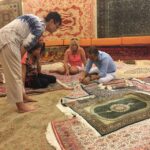
Shopping stops are another reality. Some parts of the day can include stops connected to textiles, gems, or demonstrations. Several people felt these add time that could be better spent at the sites. I can’t promise what you’ll see, but you should assume there may be at least one “shop-and-demo” moment. If you dislike that style of touring, be mentally ready and stay focused on the main sights.
Finally: keep your expectations flexible about time at Pamukkale. Even when the sites are stunning, delays can happen. If you’re visiting when demand is high, your actual time on the ground can feel shorter than you hoped.
Should You Book This Pamukkale and Hierapolis Tour?
Book it if:
- You want one guided day to cover both Pamukkale and Hierapolis with pickup from Kusadasi.
- You like structured touring where someone else manages the route, timing, and explanations.
- You’re happy to spend time walking, and you’ll bring what you need for sun and comfort.
Skip it or reconsider if:
- You’re extremely sensitive to long drives and want a shorter day.
- You strongly dislike tours with shopping stops or feel like you lose value when time gets redirected.
- You need lots of wheelchair-level pacing or very slow, lingering exploration—this day format is built for highlights.
My bottom line: if your priority is seeing the iconic white terraces and experiencing thermal pools within a single day, this tour is a solid way to do it. Just go in with a clear head—budget the entrances, pack for heat and walking, and aim your energy at the sites.
FAQ
What time does the Pamukkale and Hierapolis tour start?
The tour starts around 8:00 am with hotel pickup in Kusadasi.
How long is the tour?
The duration is approximately 10 hours.
What is the group size limit?
This tour is limited to a maximum of 14 travelers.
Are entrance fees included in the price?
No. Entrance fees for Pamukkale and Hierapolis are listed as €30 per person in 2025.
Is lunch included?
Lunch is listed as not included. The day includes a stop for lunch at a café.
Do I need a swimsuit for the thermal pools?
Yes. You’ll want to bring a swimsuit for the soak time in Hierapolis’ natural springs and pools. Entrance to the pools is at your own expense.
What is the cancellation policy?
It is non-refundable and cannot be changed for any reason. If it is canceled due to poor weather, you’ll be offered a different date or a full refund. If it’s canceled because the minimum number of travelers isn’t met, you’ll be offered a different experience/date or a full refund.