REVIEW · EPHESUS TOURS
Ephesus and St. Mary’s House tour from Kusadasi with Lunch
Book on Viator →Operated by Neon Tours · Bookable on Viator
Ephesus in one packed day. This full-day Ephesus and St. Mary’s House outing strings together big ancient sights with early-Christian stops, an English-speaking guide, and air-conditioned coach transport. I like the tight pacing that still leaves room to look around on your own, and I also like that Mary’s House is included after the ruins. One possible drawback: expect some time at a lunch stop tied to a rug/leather shop, where sales talk can feel heavy if you want a purely sightseeing day.
You’re looking at an easy-to-follow itinerary (about 6 hours) with hotel pickup and drop-off in central Kusadasi, plus admission tickets folded into the plan. The tour caps group size at 15, which generally keeps things from turning into a shuffle-fest—though the day still involves plenty of walking and sun.
In This Review
- Key takeaways before you go
- A full-day Ephesus and Mary’s House itinerary that actually makes sense
- Starting at St. John’s Basilica on Ayasuluk Hill (and why it’s a smart opener)
- Temple of Hadrian, then a guided tour through Ephesus’s core sights
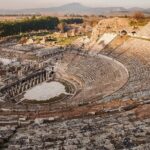
- Great Theater and the Library of Celsus area
- Temples, fountains, and the seven-church story thread
- A practical reality check
- Temple of Artemis: a quick stop with big-name context
- Lunch at a rug center style stop: good food, watch the time (and the pitch)
- House of the Virgin Mary: pilgrimage quiet after the noise of ruins
- Temple of Domitian and the tighter “quick-hit” stops
- Walking, heat, and what to pack for a 6-hour coach day
- Price and value: is $115 a fair deal for Kusadasi?
- Who this tour suits best (and who should think twice)
- Should you book this Ephesus and Mary’s House tour?
- FAQ
- What sites does the tour include?
- How long is the tour?
- Is pickup and drop-off included?
- Is the guide English-speaking?
- Is lunch included?
- Are admission tickets included?
- How many people are on the tour?
- Is it okay for children?
- What if a museum is closed?
- Can I cancel for a full refund?
Key takeaways before you go
- English-speaking guide with real storytelling: guides like Josh and Honor are praised for making Ephesus feel clear and chronological, not just like a list of ruins.
- Ayasuluk Hill first: you start at St. John’s Basilica (with a famed 4th-century tomb) before heading down into the main Ephesus site.
- Major Ephesus hits, not just photos: Library of Celsus area, Great Theater, and multiple well-kept temple zones.
- Artemis stop is short but meaningful: you’ll see the Seven Wonders legend at the Temple of Artemis.
- Lunch is traditional Turkish food, sometimes paired with a shopping detour: rug-cooperative demos can be interesting, but it can also turn into a sales push.
- Mary’s House brings a different mood: a pilgrimage site with a formal papal certification in 1967 (Pope Paul VI), after centuries of tradition.
A full-day Ephesus and Mary’s House itinerary that actually makes sense
Ephesus can overwhelm you if you show up on your own. The streets, the theaters, the temples—everything is spread out, and it’s easy to miss the story thread. This tour fixes that problem by stacking the day in a logical order: start with St. John’s Basilica up on Ayasuluk Hill, then move into the Ephesus ruins, then finish with the House of the Virgin Mary.
The value of this format is simple: you’re not spending half the day figuring out logistics or hunting for context. For most people, the $115 price tag feels most fair when you want a guided day that covers the headline sites without paying for multiple separate tours.
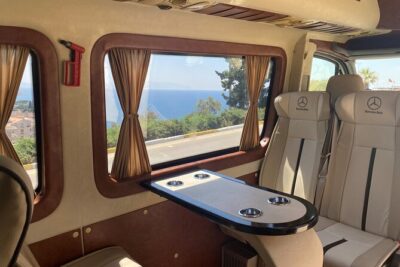
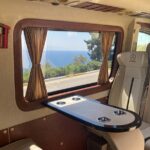
You’ll also get admission tickets included for the stops listed, and you’ll ride in an air-conditioned coach. That matters on hot days, especially with a mid-day schedule that includes both outdoor walking and indoor/covered areas.
You can also read our reviews of more tours and experiences in Kusadasi
Starting at St. John’s Basilica on Ayasuluk Hill (and why it’s a smart opener)
Most first-time Ephesus visits go straight to the ruins. This one starts with a different angle: St. John’s Basilica on the top of Ayasuluk Hill.
Inside, you can see a 4th-century grave believed to hold the remains of St. John. Even if you’re not deep into early Christian sites, this is useful because it reframes what you’re about to see next. Ephesus isn’t only columns and mosaics; it’s also part of the early Christian story, including references associated with the Seven Churches of Revelation.
This top-of-the-hill opening also helps you “get your bearings.” You get a sense of the area’s geography before you enter the archaeological zone below. For many visitors, that makes the later ruins feel more connected.
Timing note: the tour then heads toward Ephesus for the big stop sequence. Expect that your morning is built to keep momentum rather than lingering for hours at any single spot.
Temple of Hadrian, then a guided tour through Ephesus’s core sights
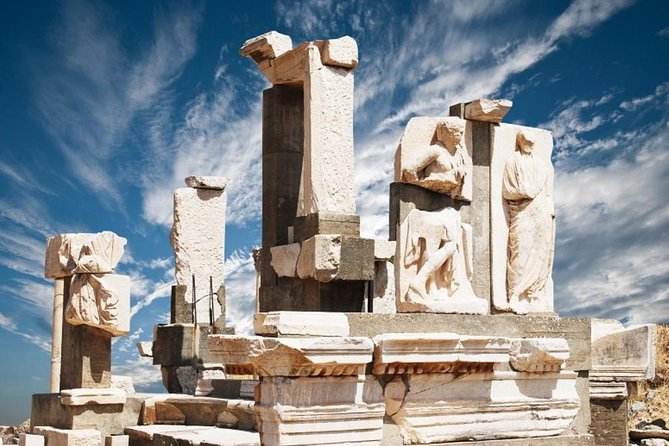
The plan includes a stop tied to the Temple of Hadrian area and then transitions into the main Ephesus site. From there, you’ll cover several anchor points that help you understand why Ephesus mattered.
Great Theater and the Library of Celsus area
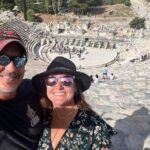
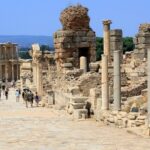
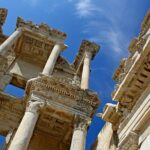
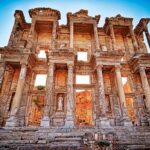
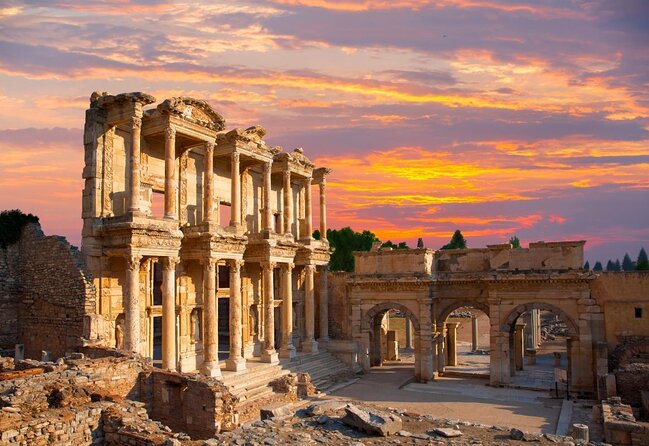
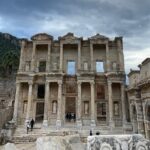
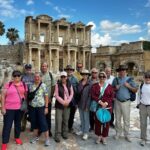
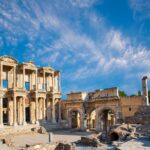
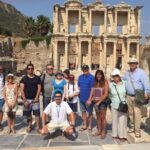
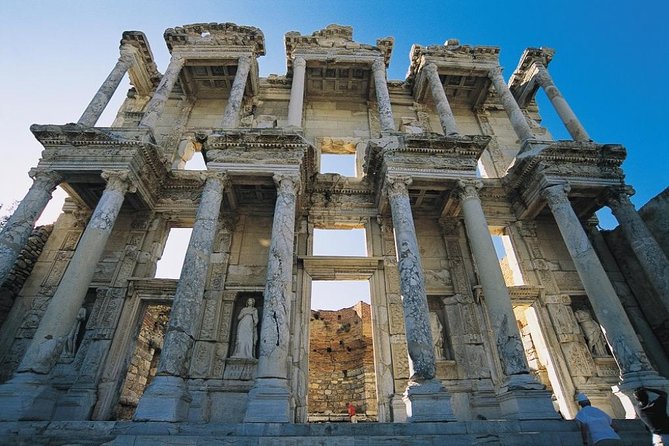
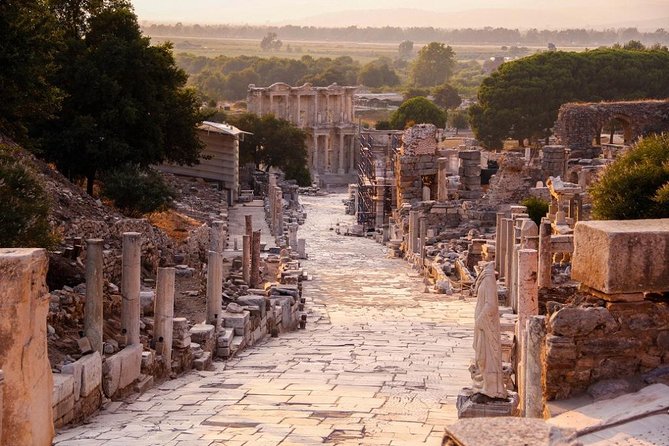
You’ll spend substantial time around the Great Theater and the Library of Celsus zone. These are the two “look up” moments. The Theater gives you a feel for public life—voices, crowds, and the scale of performance and gathering. The Library of Celsus gives you that classic Ephesus façade with enough perspective to grasp what you’re seeing rather than walking past it like set dressing.
If your guide is strong (and many are), the real win here is interpretation. You don’t just see stone; you learn what each place was for and how it fits into the city’s timeline.
Temples, fountains, and the seven-church story thread
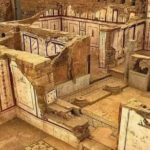
The highlights include the Fountains of Trojan and temples associated with rulers like Hadrian and Domitian. You’ll also hear how the city connects to early Christian traditions and the Seven Churches of Revelation. This matters because it turns Ephesus from a pile of archaeology into a place with themes.
A practical reality check
Ephesus is outdoors. Even with a guide, you’re still doing walking across uneven surfaces. If you’re prone to foot pain, bring shoes with real grip and plan to take it slow during transfers between zones.
Temple of Artemis: a quick stop with big-name context
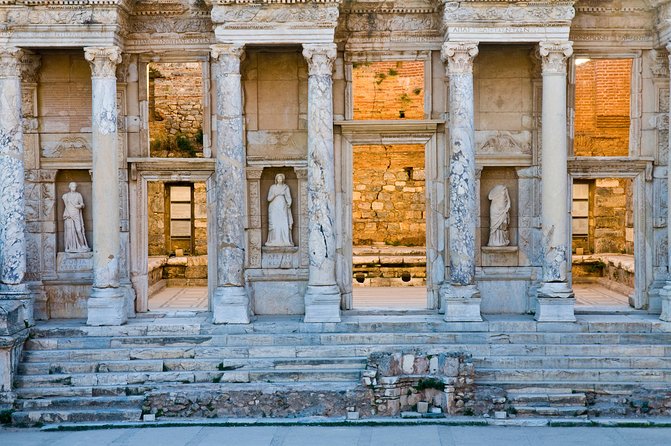
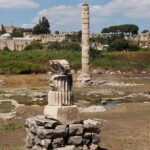
The Temple of Artemis is one of those places where you can feel the weight of the legend even when the structure is no longer intact. It’s included as a shorter stop, but it’s still worth it because it’s tied to the Seven Wonders of the Ancient World.
This is a good place to check your expectations. You’re not arriving at a fully standing monument. You’re visiting the footprint and remaining details tied to a site that mattered across centuries. A solid guide helps you connect the famous name to what’s actually in front of you.
If you want a souvenir-free moment, Artemis is a good spot for that. It’s mostly about place and perspective, not shopping.
Lunch at a rug center style stop: good food, watch the time (and the pitch)
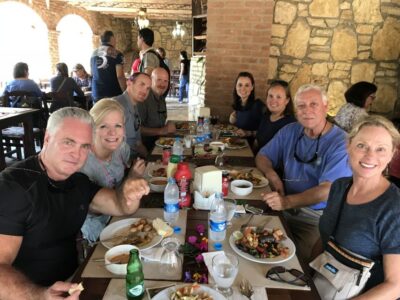
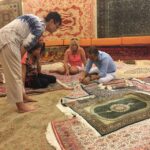
Lunch is included, and the food is traditional Turkish cuisine. In practice, this can come paired with a rug-cooperative or rug-making stop where you may see a demonstration and be given the chance to purchase items.
I like that it can add texture to the day beyond monuments. Watching how rugs are made (and hearing what goes into the process) can be genuinely interesting, and some people even end up participating more than expected.
But I also respect the caution you’ll hear from others who want strictly sightseeing time: the sales conversation can stretch longer than you’d hope, and occasionally it can feel like the “bonus shopping detour” takes more time than it should. One way to handle this is simple: treat it like a restaurant stop plus a cultural demo, not a free hour. If you’re there to learn, stay engaged. If you’re not, set your budget and decide quickly so you don’t get pulled into a long pitch.
House of the Virgin Mary: pilgrimage quiet after the noise of ruins
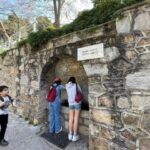
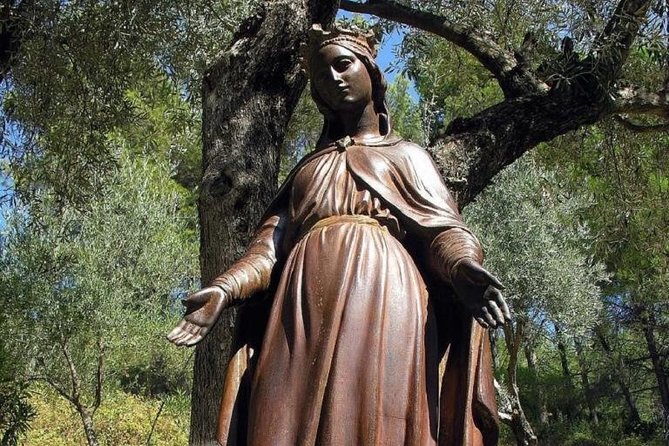
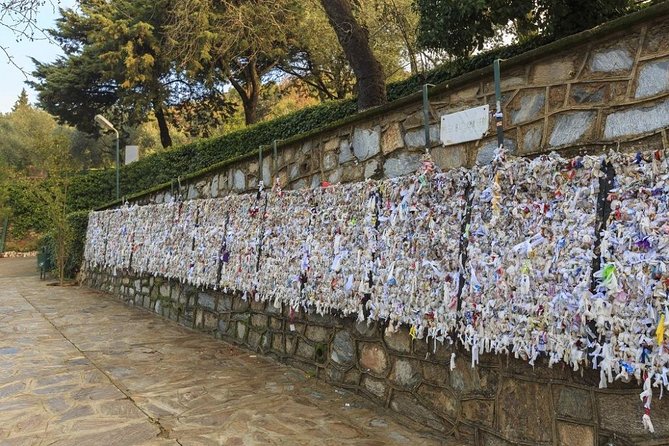
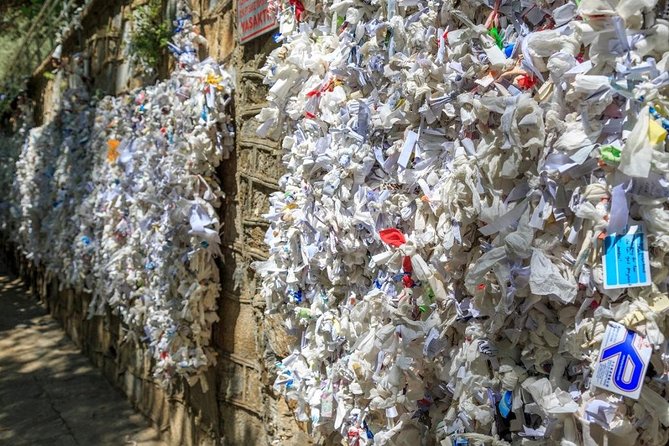
After the archaeological sites, the mood changes. The House of the Virgin Mary is a pilgrimage location that’s been visited for centuries, and the site was authenticated by Pope Paul VI in 1967.
This stop can be especially meaningful if you want something spiritual and reflective after a day of stones and crowds. Even if you don’t follow Catholic tradition, it’s still fascinating to see how the story is framed and how faith and history overlap in the same location.
The tour typically gives you set time here (about a half hour listed for the stop), so you’ll want to use it wisely. Look around first, then step into the quieter corners—if there are any—so you can actually feel the contrast with the Ephesus site.
Temple of Domitian and the tighter “quick-hit” stops
The itinerary also includes a brief stop for the Temple of Domitian and time at the Bibliotheque de Celsus area and other Ephesus sectors. These shorter stops keep the day efficient, which is great if you want lots of variety in one outing.
The trade-off is that quick stops mean quick walking. If you’re the kind of visitor who wants lingering “slow art museum” time, you might wish some sections were longer. Still, the tour’s overall structure is designed around giving you the major anchors plus enough time to understand what you’re seeing.
Walking, heat, and what to pack for a 6-hour coach day
This is a moderate walking day with outdoor time. You’ll be on your feet for multiple archaeological zones, then you’ll be back in transport between stops.
Here’s what I’d pack as your baseline:
- Comfortable walking shoes with grip
- Water (you’ll appreciate it in the sun)
- A hat or umbrella for shade
- Sunscreen
- A small day bag you can keep close in crowds
If you’re traveling with kids: the tour isn’t recommended for children age 4 and under. Travelers under 18 must be accompanied by an adult, and the day calls for at least moderate physical fitness.
Price and value: is $115 a fair deal for Kusadasi?
At $115 per person for about 6 hours, you’re paying for a guided day that compresses multiple major sites into one schedule. You also get hotel pickup and drop-off in central Kusadasi, air-conditioned coach transport, admission tickets included, and lunch.
To judge whether it’s worth it for you, ask yourself what you would do otherwise:
- If you’d otherwise hire a guide or book separate tickets for Ephesus plus Mary’s House, this can be cheaper and easier.
- If you just want a few photos and don’t care about interpretation, you might find other options better.
- If you hate shopping stops, this is the one part to plan around.
For many people, the best part isn’t just seeing Ephesus—it’s understanding it while someone organizes your route. That’s what turns the day from a checklist into an actual experience.
Who this tour suits best (and who should think twice)
This is a strong fit if you:
- Want a structured, guided overview of Ephesus and early Christian sites
- Like the idea of a full-day “greatest hits” plan without sorting transport yourself
- Appreciate an English-speaking guide who can explain what you’re looking at
- Don’t mind a lunch stop that may come with a cultural demo and shopping pressure
You may want to think twice if you:
- Want strictly monument time and dislike any shopping pitch
- Have very limited mobility or expect minimal walking
- Are traveling with a very young child (the tour isn’t recommended for kids 4 and under)
Should you book this Ephesus and Mary’s House tour?
I’d book it if you’re aiming for one efficient day that hits the big Ephesus sights—Library of Celsus area, Great Theater, Artemis—and ends at Mary’s House with its pilgrimage atmosphere and Pope Paul VI certification.
I’d book with eyes open if you’re sensitive to sales-heavy detours at the lunch/rug-stop area. Decide in advance how much time you’re willing to spend there, and if you’re not shopping, keep your boundaries. Also, double-check your pickup details so you’re not left waiting on the wrong schedule window.
If you want the easiest path to a meaningful Ephesus day, this is a solid choice.
FAQ
What sites does the tour include?
It covers St. John’s Basilica on Ayasuluk Hill, Ephesus main ruins including the Great Theater and Library of Celsus area, the Temple of Artemis, and the House of the Virgin Mary. It also includes shorter stops such as the Temple of Domitian and a Temple of Hadrian stop.
How long is the tour?
The duration is about 6 hours.
Is pickup and drop-off included?
Yes. Hotel pickup and drop-off are included for centrally located Kusadasi hotels.
Is the guide English-speaking?
Yes, the tour is offered in English.
Is lunch included?
Yes. Lunch is included and is traditional Turkish cuisine.
Are admission tickets included?
Admission tickets are included for the listed stops.
How many people are on the tour?
The tour has a maximum of 15 travelers.
Is it okay for children?
It’s not recommended for children aged 4 and under. Children 18 years and under must be accompanied by an adult.
What if a museum is closed?
If any museum closures happen, an alternative similar museum will be visited.
Can I cancel for a full refund?
Yes, you can cancel up to 24 hours in advance for a full refund.