REVIEW · EPHESUS TOURS
Ephesus, Priene, Miletos and Didyma Tour
Book on GetYourGuide →Operated by OKEANOS TRAVEL · Bookable on GetYourGuide
Ancient cities, in one long day. I like how this tour stacks four major Aegean sites into a single, guided circuit, so your time isn’t wasted on backtracking. I also like the focus on stories and big moments, from Ephesus street life to Didyma’s oracle route, with entrance fees handled so you’re not hunting tickets.
One thing to plan for: it is a lot of walking and a packed schedule for an 8-hour day. If you’re sensitive to heat or knee-tired days, you’ll want sturdy shoes and a realistic pace—this tour isn’t meant for slow strolls.
In This Review
- Key takeaways before you go
- Four-City Planning That Actually Makes Sense
- Ephesus: Marble Streets, a Giant Theatre, and a Very Weird Advertisement
- Priene’s Grid Plan and the View From the Theatre
- Miletos: Where Philosophy Met the Sea
- Didyma’s Temple of Apollo: Prophecy in Stone
- How to Handle the 8-Hour Pace (Without Burning Out)
- What Your $210 Gets You in Real Value
- Who Should Book This Ephesus–Priene–Miletos–Didyma Tour?
- Should You Book It?
- FAQ
- FAQ
- How long is the Ephesus, Priene, Miletos and Didyma tour?
- Where do you pick up and drop off?
- What’s included in the price?
- What should I bring?
- Is the tour suitable for wheelchair users?
- What languages can the guide speak?
Key takeaways before you go
- Four-city itinerary in one day: Ephesus, Priene, Miletos, and Didyma without wasting transit time.
- All entrance fees included: you pay once and spend your energy on the ruins.
- Expert guidance on the why, not just the what: Roman power, Ionian city planning, and prophecy in one flow.
- Small-group feel (private group): more room for questions and a calmer rhythm on-site.
- Terrace Houses can be an optional upgrade if you want a closer look at elite Ephesian life.
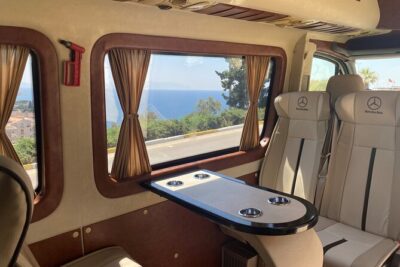
- Comfort-focused transport: air-conditioned vehicle with a professional driver from Kusadasi and nearby pickup areas.
Four-City Planning That Actually Makes Sense
This is one of those itineraries that can either feel rushed or feel smart. In this case, it works because the cities are linked by geography and theme: Ionian Greeks, Roman-era greatness, and the religious power of prophecy along the Aegean coast.
You’ll start from the Kusadasi area (port pickup, or hotel pickup in Aydin and Izmir). Then you move city to city with an air-conditioned vehicle and a licensed guide, which matters more than people think. Ancient sites are spaced out. Having a driver who knows the routes keeps your day from turning into bus-stress roulette.
The big value is that you don’t just tick off the most famous name—Ephesus. You also get Priene’s design logic, Miletos’ philosophy-and-harbor vibe, and Didyma’s massive oracle sanctuary. If your goal is to understand the ancient world as a system, not a list, this route fits well.
You can also read our reviews of more tours and experiences in Kusadasi.
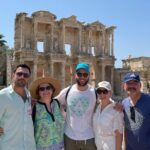
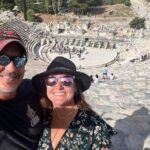
Ephesus: Marble Streets, a Giant Theatre, and a Very Weird Advertisement
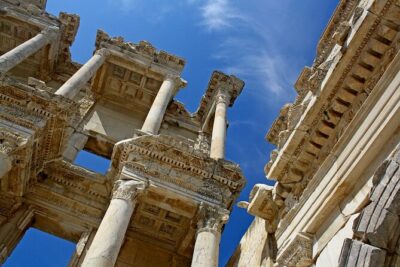
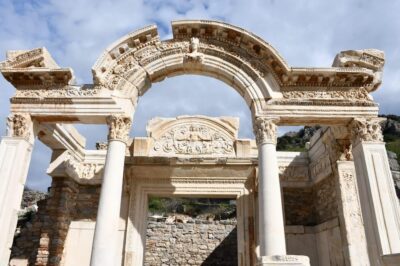
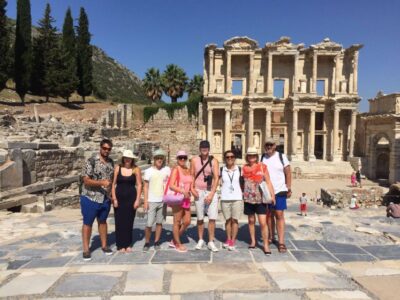
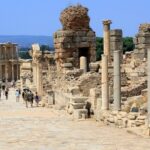
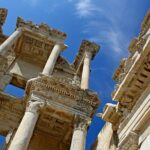
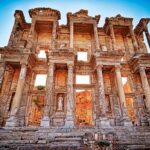
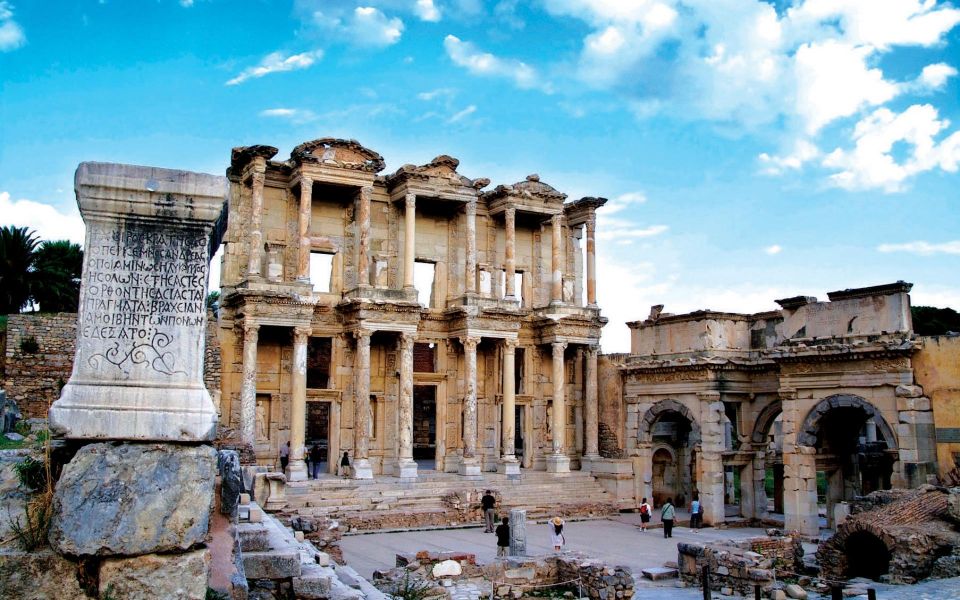
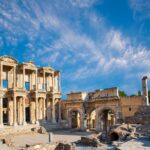
Ephesus is the headline, and it earns it. Expect a walk through a Roman metropolis where the scale feels almost unreal—especially when you consider how much of it is still legible in shape and layout. The Marble Street is the kind of place where you get why people wrote myths about emperors and saints walking these routes.
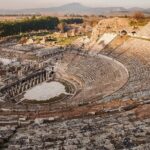
Two of the strongest Ephesus moments are the street-level and the theatre-level views. First, the Great Theatre, where around 24,000 people gathered—not only for performances, but also for public life and spectacles. Standing there, it’s hard not to imagine the noise of crowds, politics, and drama all mixed together.
Second, the smaller details that turn ruins into real places. One standout example is the so-called world’s oldest advertisement—a carved footprint and heart associated with an ancient brothel. It’s not just trivia. It helps you see that daily life included branding, sex work, and street-level commerce, not only emperors and marble.
Then there are the elite-house details if you choose the optional premium addition. The Terrace Houses are often where people feel the emotional hit of Ephesus—lavish spaces, mosaics, and fresco-like decoration that show how wealthy visitors actually lived. If you love art details, it’s a good place to spend extra time. If you’re already museumed out, you can skip it and keep your energy for the next stops.
Practical tip: Ephesus is a heavy walking day segment. Wear shoes you trust on uneven stone and don’t plan to look around in flip-flops. The best photos come from moving slowly, not from rushing.
Priene’s Grid Plan and the View From the Theatre
Priene isn’t as famous as Ephesus, and that’s exactly why you’ll like it. It feels more “intentionally designed.” The ruins sit on a hillside, and the town layout shows off Hellenistic urban planning—built on a grid plan so precise it influenced later city planning concepts.
Start by absorbing the shape of the place. Then look for the Temple of Athena Polias, a classic example of Ionian architecture. Even if your architectural eye is rusty, you’ll get it fast: columns, symmetry, and a civic-religious purpose in one.
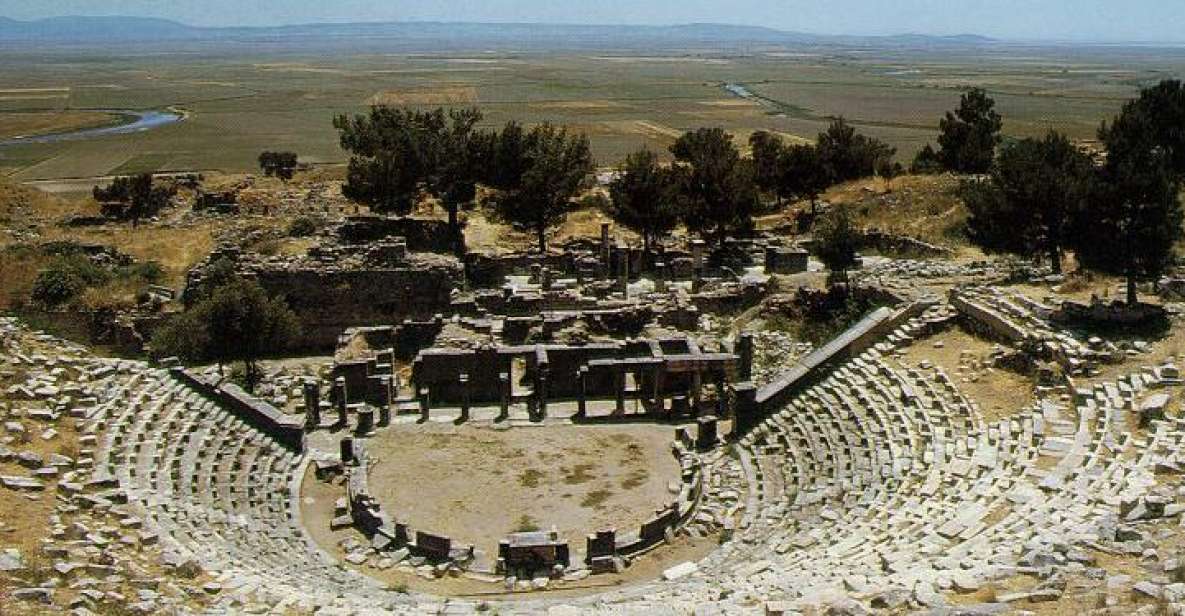
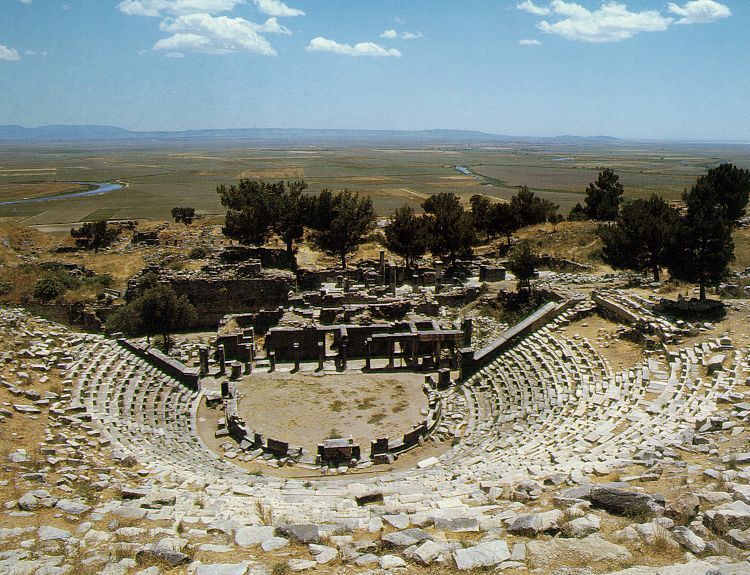
The theatre adds another layer. You’ll climb up and get a panoramic view toward the Meander River delta. That sight does double duty. It explains why this site was positioned where it was, and it also helps you picture how inland cities related to the wider Aegean world.
What I like most about Priene on this tour is the balance. You’re not stuck in one highlight-only zone. You get the city plan idea, then the architecture, then the view—so the stop sticks in your mind as more than a set of stones.
Miletos: Where Philosophy Met the Sea
Miletos is the city stop that changes your mental soundtrack. Instead of just power and spectacle, you shift toward ideas and trade. This was once a major maritime hub, and it’s closely linked to early thinkers—often associated with names like Thales and Anaximander.
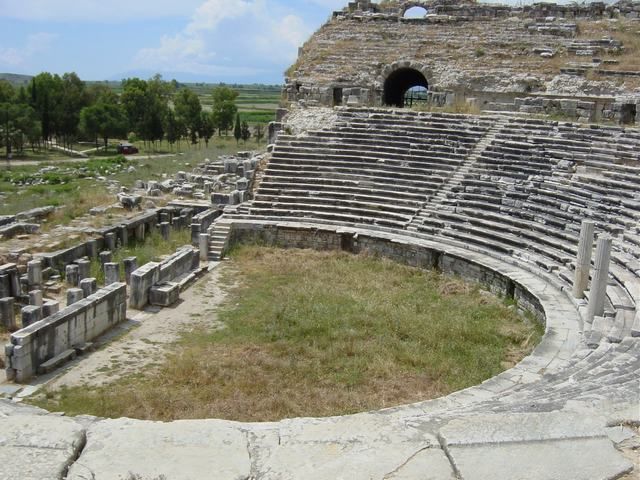
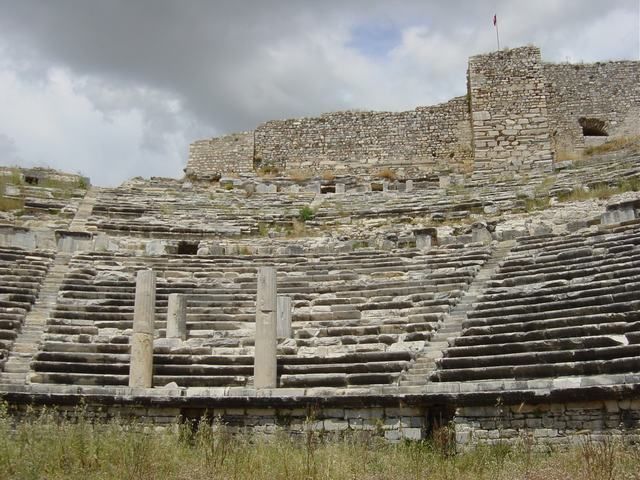
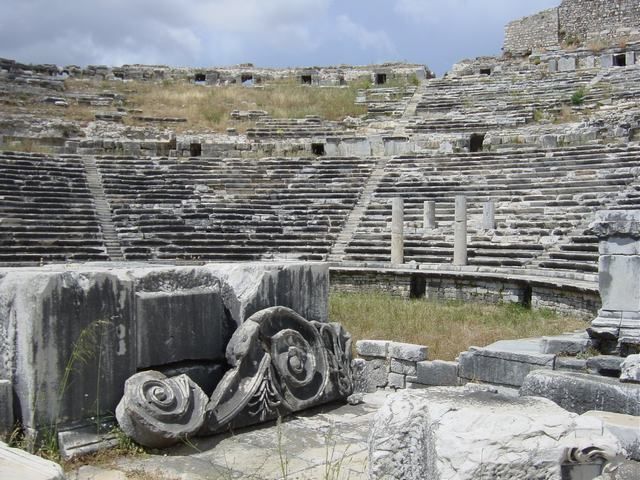
You’ll likely notice how much the city’s wealth is reflected in what’s left. The theatre is huge, holding up to about 15,000 people, and it makes sense given Miletos’ status. When you stand in those spaces, you can almost feel how philosophy and public debate might have flowed through the same social spaces as festivals and civic meetings.
Two other sites make Miletos practical and tangible. The Baths of Faustina—built by the wife of Emperor Marcus Aurelius—show you that Rome’s influence wasn’t only political. It was about daily routines, comfort, and public spaces. Next, the Agora, one of the largest marketplaces of the ancient world. This is where trade and everyday conversation would have met—especially powerful if you keep the sea-and-harbor connection in mind.
If you love the humanities side of travel—how people argued about the world, built systems, and navigated trade networks—Miletos gives you that angle without needing a textbook. It’s one of the best stops on the day for turning curiosity into understanding.
Didyma’s Temple of Apollo: Prophecy in Stone
Didyma is different because it’s not really a city stop. It’s a sanctuary—one of those places built to feel cosmic, like it was meant to connect people to something beyond daily life.
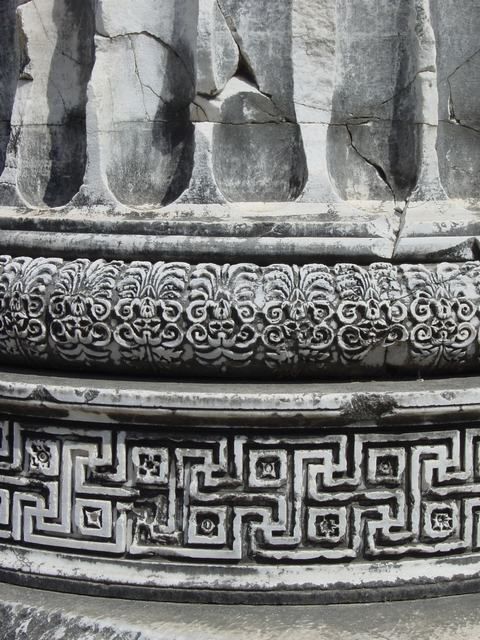
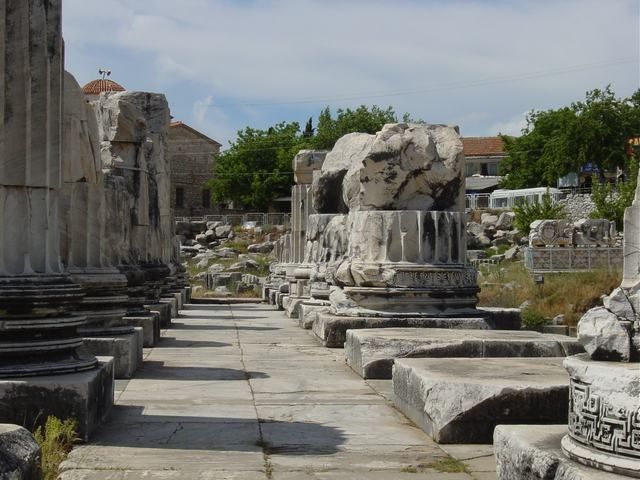
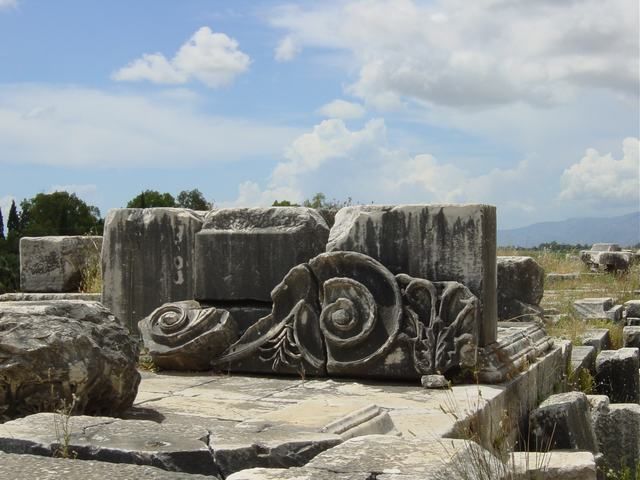
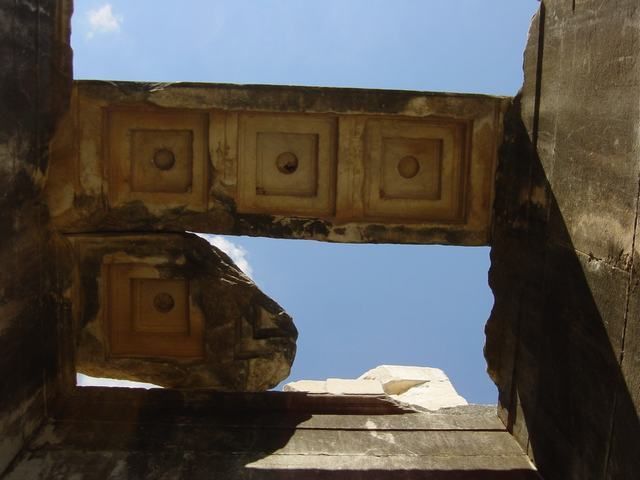
The star is the Temple of Apollo, one of the largest and most enigmatic temples in the Hellenic world. Three tall columns still stand, intricately fluted, and they look both fragile and stubborn at the same time. Seeing that kind of scale in person helps you understand why an oracle location mattered. People didn’t travel there just for a story. They traveled because the decision they made could change a life, a kingdom, or a war.
You’ll also walk the Sacred Way, the pilgrimage route tied to the prophetic power of this site. Didyma’s oracle was said to rival Delphi. You may not know every name connected to the oracle at first, but the route itself and the temple scale do the convincing.
This is the part of the tour where your imagination gets a workout. Even if you’re not into religion, you can still appreciate how authority, fear, hope, and politics all got processed through sacred ritual. That’s the human side that outlasts empires.
How to Handle the 8-Hour Pace (Without Burning Out)
An 8-hour tour with four ancient sites is ambitious. The good news is that you’re not doing this alone. You have an organized rhythm, an air-conditioned vehicle, and a guide who can steer you toward the most meaningful pieces of each location.
Still, plan your body like it’s an all-day walking assignment. Bring comfortable walking shoes you’ve already worn. Add sunglasses and a sun hat—Didyma and the open areas can be bright and exposed. If you want photos, keep your camera ready, but don’t take a picture at the cost of safety on stone steps.
Private-group style helps. With fewer people in the mix, it’s easier to move at the right speed and get questions answered without feeling like you’re shouting over a crowd. And if your guide is flexible, you’ll often find small opportunities to linger where something grabs your interest.
If you get heat-sensitive, you’ll want to take advantage of shade when it appears and avoid the temptation to sprint between stops. This is one of those tours where the best experience comes from steady attention, not speed.
What Your $210 Gets You in Real Value
At about $210 per person for an 8-hour, four-site day, the value comes from three places:
- You’re paying for coverage of four major locations instead of one or two. That’s the core math.
- Entrance fees are included for Ephesus, Priene, Miletos, and Didyma according to the itinerary. You avoid the hassle of ticket planning and reduce the risk of time-wasting stops.
- You’re buying guided interpretation, not just access. A good guide helps you connect details—like how city planning in Priene relates to the broader Ionian world, or why the scale of the Didyma temple signals something about belief and governance.
So yes, it’s not a bargain-basement price. But it’s also not overpriced for what you’re getting: expert context, organized transport, and admission fees wrapped in. For solo travelers, it can also be a relief. You’re not trying to stitch together routes, guidebooks, and schedules by yourself.
Language options also matter for value. The tour lists licensed guides in English, German, French, Dutch, and additional languages are available (Spanish, Italian, Greek, Russian). If you pick your language carefully, you’ll understand more than the captions—your day becomes easier to follow.
Who Should Book This Ephesus–Priene–Miletos–Didyma Tour?
This tour is ideal if you want a single-day “big picture” view of the ancient Aegean. It’s especially good for:
- People who already like Ephesus and want more than the obvious highlight loop
- History lovers who also care about architecture and city design
- Travelers who enjoy mythology and prophecy themes, not only Roman marble
- Solo travelers who prefer a structured plan and a guide who can answer questions on the spot
It’s not a fit if you need wheelchair accessibility, since the tour is listed as not suitable for wheelchair users.
If you’re traveling with parents or a mixed-age group, private-group style plus a licensed guide can help keep things organized. If you’re the type who enjoys learning names, purposes, and connections between sites, you’ll get a lot out of the way the day is framed.
Should You Book It?
If your time on the coast is limited and you want to see Ephesus plus the less-overcrowded companions that explain the region, I’d book this. The biggest reason is focus: it’s not just a “look at ruins” day. It’s a guided story that connects Roman power, Ionian planning, maritime prosperity, and prophetic religion across four stops.
Go for it if you’re willing to walk and you want a guide-led day that includes admissions and transport. Skip it only if you’re extremely sensitive to long ruins walking or you know you’ll struggle with an 8-hour schedule.
FAQ
FAQ
How long is the Ephesus, Priene, Miletos and Didyma tour?
The tour duration is 8 hours.
Where do you pick up and drop off?
Pickup and drop-off are available at Kusadasi port. Hotel pickup is also listed for Aydin and Izmir.
What’s included in the price?
The tour includes a licensed professional English guide (and other listed languages depending on the option), an air-conditioned vehicle with a professional driver, pickup and drop-off, and entrance fees to Ephesus, Priene, Miletos, and Didyma according to the itinerary.
What should I bring?
Bring a passport or ID card, comfortable shoes, sunglasses, and a sun hat (and you’ll want a camera too).
Is the tour suitable for wheelchair users?
No. The tour is listed as not suitable for wheelchair users.
What languages can the guide speak?
Guides are listed in Spanish, English, Italian, Dutch, Greek, German, French, and Russian.