REVIEW · EPHESUS TOURS
Ephesus Tour from Kusadasi
Book on Viator →Operated by Puerto Travel Turkey · Bookable on Viator
Ancient Ephesus in one organized, human-sized day. I love the way this tour strings together the House of the Virgin Mary and the big Ephesus highlights without turning the day into a chaotic scramble. I also like the small-group pace (max 15) and the air-conditioned ride, which matters once you’re walking on uneven ancient ground. One thing to plan for: entrance fees aren’t included, so your final cost is higher than the headline price, and the day still takes steady footing and some walking.
You’ll ride with a professional licensed local guide in English, and the best guides can reorder the stops to save you time when lines build up. In past days, guides such as Güfte have been praised for smart timing at Mary’s house, and guides like Darya, Yunus, Huseyin, Daniel, and Kilic show up in the mix too—each with their own style, but all focused on explaining what you’re looking at. The only drawback to know up front: the schedule is tight, so a couple of stops are short (Terrace Houses and Artemis especially), and you may feel you want more time once you’re there.
If you’re doing Ephesus for the first time, this is a very practical way to see the must-sees from Kusadasi. You’ll also get an underrated bonus: the Ephesus Experience Museum uses multimedia to put the ruins into context, which makes the walking feel less like random stones and more like a real place.
In This Review
- Quick takeaways for your Ephesus day trip
- A well-paced Ephesus day from Kusadasi Port to Selçuk
- Pickup, ride comfort, and why a max-15 group changes everything
- Stop 1: The House of the Virgin Mary on Bulbul Mountain
- Stop 2: Ancient Ephesus, from port power to seven-church fame
- Stop 3: Terrace Houses and the “rich ephesians” neighborhood
- Stop 4: The Ephesus Experience Museum as your reality check
- Stop 5: Temple of Artemis—what’s left and how to frame it
- Stop 6: Selçuk lunch break and the power of a schedule you can trust
- Tickets, extra costs, and how to keep the day stress-free
- Guide names you might hear: Güyte, Darya, Yunus, Daniel, Kilic…
- Practical tips that make Ephesus feel easier (and more fun)
- Should you book this Ephesus tour from Kusadasi?
- FAQ
- How long is the Ephesus tour from Kusadasi?
- What is included in the tour price?
- Are entrance fees included?
- Is lunch included?
- Where does pickup happen?
- Is the tour in English and how big is the group?
Quick takeaways for your Ephesus day trip
- Small group (max 15) keeps the day moving and makes it easier to get answers as you walk
- Pickup and drop-off covers Kusadasi Port, hotels, Selcuk area, and Kusadasi Setur Marina
- House of the Virgin Mary first (often) can help you beat the crowd rush
- Ephesus Experience Museum adds modern “put it together” context after the ruins
- Artemis Temple stop is brief, so manage expectations for what’s actually left
A well-paced Ephesus day from Kusadasi Port to Selçuk
This is built as a focused highlights loop: you leave Kusadasi, hit the major spiritual and archaeological stops, then roll back with enough energy left for lunch and a bit of downtime. The listed duration is about 4 to 6 hours, and that’s realistic if your group moves with the guide and you’re ready to walk.
The big practical value is transportation. You don’t have to figure out how to get between Kusadasi and Selcuk/Ephesus sites, and you don’t waste your limited time negotiating schedules. The vehicle is described as fully air-conditioned and “brand new,” with a separate driver—a nice combination for comfort, especially on warmer days.
Price-wise, $60 per person can look like a bargain, but entrance fees are not included. The good news is the tour indicates tickets for Ephesus are arranged in advance so you can skip long ticket lines. Think of the base price as your guided ride and the planning power; the entrance fees are the building blocks you’ll pay on top.
You can also read our reviews of more tours and experiences in Kusadasi.
Pickup, ride comfort, and why a max-15 group changes everything
The tour includes port/hotel pickup and drop-off, which is a big deal if you’re on a cruise. You don’t want to be the person sprinting across a port to make a meet-up point.
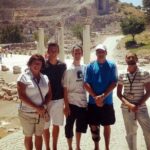
You should expect the day to run smoother because the group is capped at 15 travelers. In a smaller group, the guide can:
- keep you together without constant waiting
- give a clear meeting point at each stop
- adjust pace if someone needs a moment (or if a line is growing)
You’ll also get the comfort factor. Multiple experiences describe a Mercedes van that felt roomy and easy, with an automatic sliding door. After you’ve done a couple hours of walking over uneven stone, the value of that air-conditioned ride becomes obvious.
One more timing note: there’s an on-time return guarantee for cruise passengers. That doesn’t mean you should treat it like a magic carpet—still show up early at the pickup point—but it does mean the operator is thinking about the hardest constraint for cruise stops.
Stop 1: The House of the Virgin Mary on Bulbul Mountain
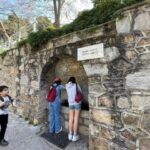
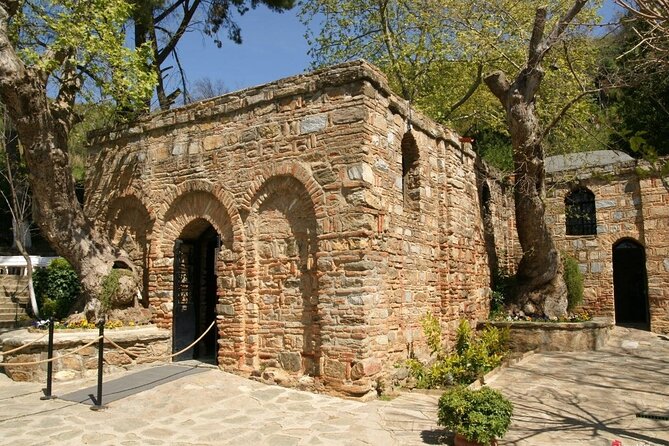
This is a Catholic shrine connected to visions reported by a nun in Germany, tied to the idea that Mary lived in a house before her death. It’s located by the skirt of Bulbul Mountain in Selçuk, and it’s been a pilgrimage stop for Catholics for years.
What I like about this stop on an Ephesus tour: it sets a different tone from the Roman ruins. You’re not just looking at artifacts; you’re visiting a place that still functions as a spiritual destination.
What to expect day-of:
- The stop is about 1 hour
- Admission is not included (so you’ll pay separately)
- You’ll likely do it early because lines can form quickly
Practical etiquette tips help a lot here. One guide-style tip from past tours: at Mary’s house, the environment is more about quiet respect than souvenir browsing. Photos inside may be limited, and you should follow staff directions. Also, don’t treat the site like a tasting room—people specifically advise not drinking the holy water.
If you plan to light a taper, there’s a stated minimum donation (at least 10 Turkish lira). Souvenir shops may take euros, but don’t assume—bring some local cash too.
Possible drawback: this is meaningful for many people, but it may feel brief if you want slow, contemplative time. In a highlights tour, you’re guided through key points and then moved along.
Stop 2: Ancient Ephesus, from port power to seven-church fame
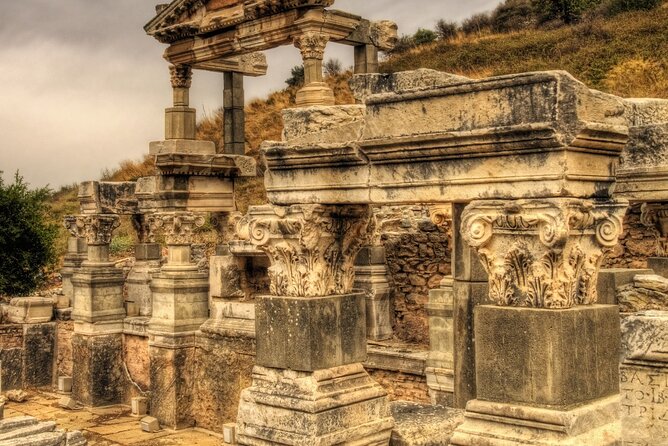
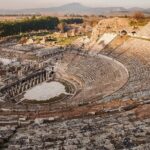
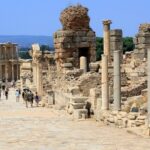
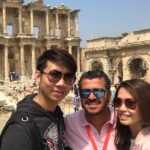
Ephesus is the headline act. This ancient city was a major trade center—famous enough that it shaped the wider ancient world—and it also became important early in Christianity. It’s also linked to the seven churches referenced in the Book of Revelations.
Your stop here runs about 2 hours, which means you’ll get a guided sweep of the biggest stops rather than a long, pick-and-choose archaeological marathon.
What you can look forward to seeing:
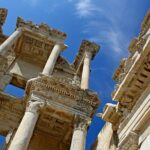
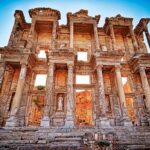
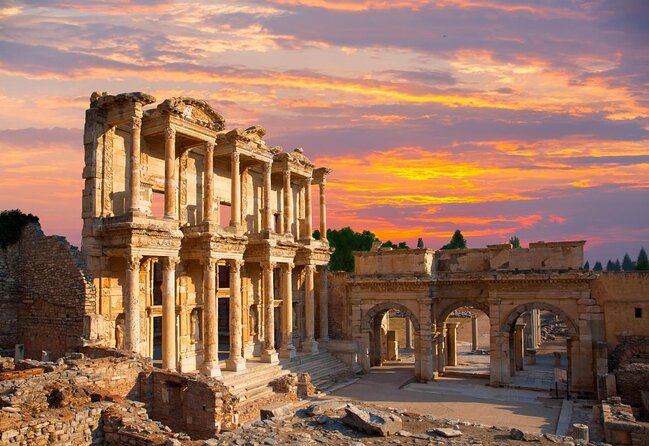
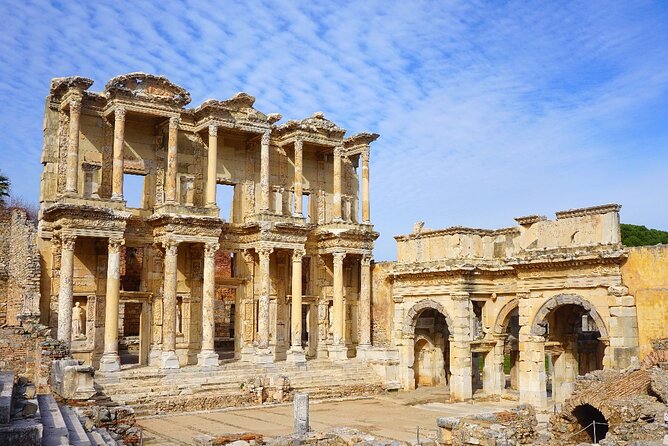
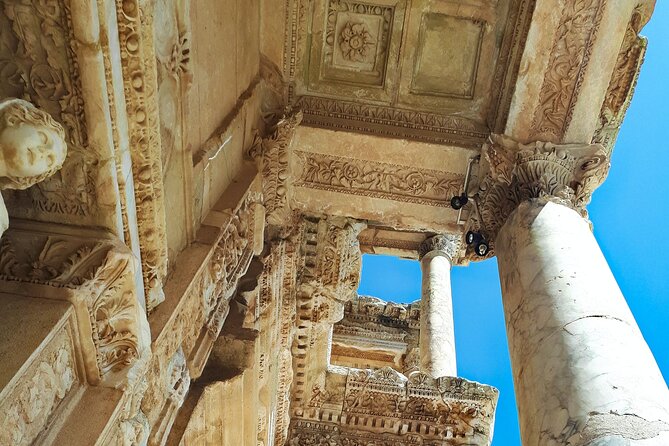
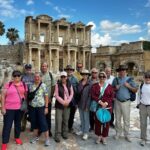
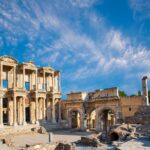
- Celsus Library
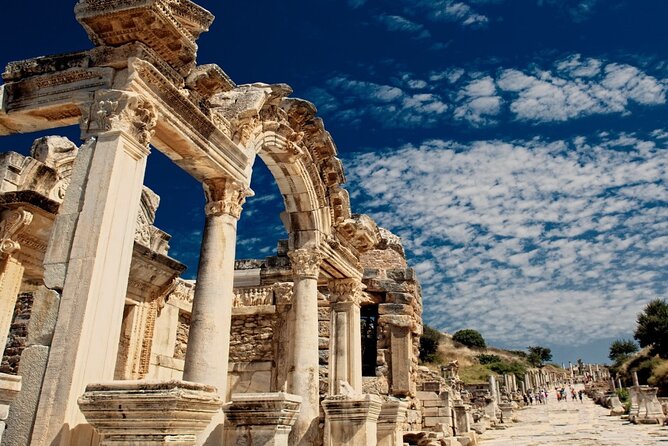
- Temple of Hadrian
- Fountain of Trajan
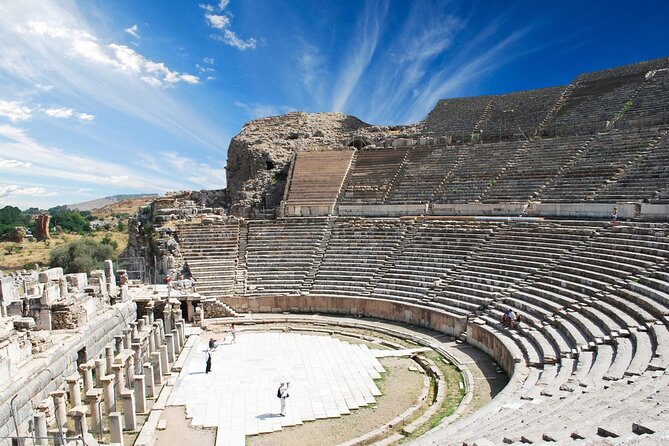
- Theater
- plus other major features as you move through the site
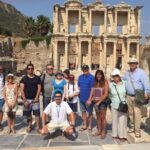
The value of having a guide here isn’t just facts. It’s orientation. Ephesus is huge, and without context, it’s easy to feel like you’re walking between impressive walls with no map in your head. With a good explanation, the pieces start relating to each other—street life, religion, politics, trade, and daily movement.
Downside? The terrain. Even with perfect timing, Ephesus has uneven stone and slopes. The tour data asks for moderate physical fitness, and that’s the right bar. Wear proper shoes. If you’re the type who hates walking on irregular ground, you’ll feel it more than you expect.
Stop 3: Terrace Houses and the “rich ephesians” neighborhood
This stop is short—about 30 minutes—but it’s special because it gives you a rare look at private life. These are exclusive residences on the slopes opposite the Temple of Hadrian, along Curetes Street. They’re often described as the “rich houses,” uncovered through recent excavations.
What makes this stop worth your time: you’re seeing architecture for people who weren’t trying to impress a crowd. You get a sense of wealth and daily living—porticoes, step streets, and a layout that connects directly to the street-side movement of the city.
You’ll explore the Terrace Houses and the Houses of Rich Ephesians. The guide will help you understand what you’re looking at, because from street level, it’s not always obvious which parts are original and which are reconstructed or revealed.
Possible drawback: 30 minutes can feel fast. If you’re an archaeology person, you may want more. Still, for most first-time visitors, this is a strong “wow” stop that doesn’t blow up the schedule.
Stop 4: The Ephesus Experience Museum as your reality check
After the outdoor ruins, the Ephesus Experience Museum is a smart transition. It uses projections and interactive exhibits to help you imagine how Ephesus functioned in its prime. This is where the day starts clicking: marble ruins stop being random slabs and start feeling like a working city.
The stop is about 30 minutes, and admission here is stated as free. That’s a rare freebie that actually earns its keep.
Why I think it’s worth leaning into: when you’re tired, it can be hard to connect details from the ruins to the bigger story. The museum gives you a clearer mental picture so your next outdoor stop makes more sense.
Tip: plan to use the restroom after, since the museum experience is indoor and air-conditioned. Then you’re ready for the final sightseeing block.
Stop 5: Temple of Artemis—what’s left and how to frame it
This stop is about 30 minutes, and admission is free. The Temple of Artemis is linked to one of the Seven Wonders of the World, with completion often given around 550 BC. The sacred area is older, and the temple itself dates back to an earlier period too. The site was destroyed multiple times and rebuilt, then later abandoned when Christian rule changed the region.
Here’s how to manage expectations: one past experience describes the remaining structure as basically a single column. That means you’re not going to leave feeling like you saw a fully intact wonder. Instead, you should treat it as a viewpoint stop—an important box-check that reminds you how famous this place once was.
Stop 6: Selçuk lunch break and the power of a schedule you can trust
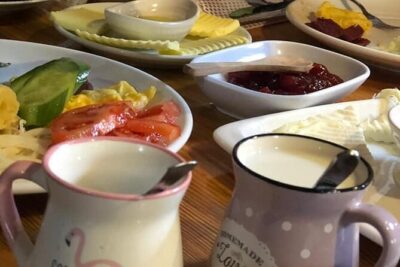
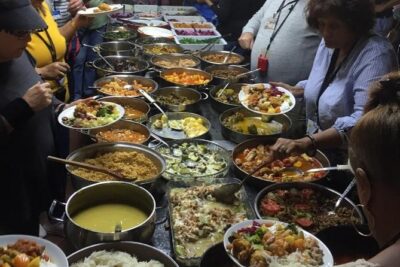
Your day ends with time in Selçuk. The plan includes an open buffet lunch at a local restaurant with traditional Turkish food and vegetarian options.
One caution: the overall listing says lunch is not included, but the itinerary describes lunch as free. That inconsistency happens sometimes when listings are updated. I’d treat lunch as a “confirm before you go” item. If lunch is included for your departure date, great. If not, you’ll still have a solid break to recharge before the return ride.
Lunch here matters because your feet will be doing most of the work today. It’s also your moment to slow down. The tour design keeps you moving, but Selçuk gives you a more normal meal pause.
Tickets, extra costs, and how to keep the day stress-free
The tour includes many day-of costs: taxes, parking fees, and it says entrance tickets for Ephesus will be arranged in advance to help you skip long lines. That’s useful because Ephesus ticket queues can be the kind of delay that ruins a half-day.
What’s not included:
- Entrance fees (including the House of the Virgin Mary and Ephesus)
- Lunch (but the itinerary mentions a lunch stop, so confirm)
So what should you do? Bring extra money for entrance fees. Also plan for small add-ons that can happen during the day. Some guides add cultural stops like artisan shops, and craft stops can be part of the day’s rhythm—like a rug cooperative, ceramics, or similar outlets—depending on the guide and route.
If you don’t want shopping stops, you’ll have the best outcome by telling your guide clearly. You don’t need to be confrontational. Just be direct: you want history and photo time, not extra counters.
Guide names you might hear: Güyte, Darya, Yunus, Daniel, Kilic…
This tour’s quality is tightly linked to your guide. Past experiences highlight guides like Güfte, Darya, Yunus, Huseyin, Daniel, and Kilic, with consistent praise for how they explain what you’re seeing and how they handle time.
A few guiding behaviors that show up in these strong days:
- Adjusting the stop order to reduce waiting (Mary’s house first is a common time-saver when lines grow)
- Staking out photo spots and giving short windows for pictures before moving on
- Answering questions on the spot so the ruins make sense while you’re still in the middle of them
If you have one must-see request (for example, adding a nearby church stop), guides have shown flexibility. Don’t assume everything is possible, but do ask early. Guides can often tailor within the time they have.
Practical tips that make Ephesus feel easier (and more fun)
Ephesus can be a great day. It can also be a sore-shoe day if you show up unprepared. Here’s what helps:
- Wear comfortable, supportive shoes with grip. The terrain is uneven.
- Bring water. One specific tip calls for at least two half-liter bottles.
- Bring a phone charging cable if you like to keep your phone alive for photos between stops.
- Expect that the guide will keep you moving, but you’ll still get photo time. Plan for short photo windows rather than long wandering alone.
At Mary’s house, follow rules about quiet and photography. Don’t drink holy water.
At Ephesus, take advantage of brief “briefing then move” moments. If you wait until you’re halfway through the site to ask questions, you’ll miss the chance to connect details.
And if you get offered optional shop stops, remember: you can say no. A good guide will still deliver the history.
Should you book this Ephesus tour from Kusadasi?
Book it if:
- you want a guided highlights route rather than wrestling with transport
- you have limited time from Kusadasi or on a cruise
- you like the idea of combining ruins with a museum that explains what you saw
- you value a max-15 group size and an air-conditioned ride
Skip it (or switch to a different style of tour) if:
- you want long, unguided wandering and zero schedule pressure
- you’re very sensitive to uneven ground and short time at each stop
- you’re on a strict budget where entrance fees you pay on top of $60 would be a problem
If you’re a first-timer to Ephesus, this is a smart, efficient choice. The route covers the essentials—House of the Virgin Mary, core Ephesus monuments, Terrace Houses, Artemis, and the museum context—without turning the day into a stressful checklist. Just budget for entrance fees, wear good shoes, and ask your guide for the best timing if you’re trying to reduce lines.
FAQ
How long is the Ephesus tour from Kusadasi?
The tour lasts about 4 to 6 hours.
What is included in the tour price?
You get a professional licensed local guide, an air-conditioned vehicle with a separate driver, port/hotel pickup and drop-off, all taxes, parking fees, and an on-time return guarantee for cruise passengers.
Are entrance fees included?
No. Entrance fees are not included, and the tour says tickets will be arranged in advance so you can skip long ticket lines.
Is lunch included?
The itinerary includes an open buffet lunch stop in Selçuk with traditional Turkish food and vegetarian options, but the tour details also list lunch as not included. Confirm for your exact booking.
Where does pickup happen?
Pickup is free from Kusadasi Port, hotels in the Kusadasi area, the Selçuk Ephesus area, and Kusadasi Setur Marina.
Is the tour in English and how big is the group?
The tour is offered in English, and it has a maximum group size of 15 travelers.