REVIEW · EPHESUS TOURS
Ephesus Tour With Small Group From Kusadasi
Book on Viator →Operated by Ephesus and Pamukkale Daily Tours from Kusadasi and Izmir · Bookable on Viator
Ephesus feels close enough to touch. This small-group day trip from Kusadasi pairs an English-speaking guide with an AC deluxe van and lunch, so the day stays smooth while you clock the major sights. The one catch: admission tickets aren’t included for Ephesus and the Virgin Mary’s House, so budget a bit extra and plan around ticket time.
What I like most is the balance of big Roman marble monuments with a real spiritual pause at Meryemana. Expect a full 8-hour outing with moderate walking, so if you’re dealing with mobility issues, bring your patience and comfy shoes.
In This Review
- Key Highlights You’ll Actually Notice
- Why This Ephesus Tour Runs Well From Kusadasi
- Entering the Ancient City: Ephesus Ruins and the Theater Where Stories Happen
- Meryemana (The Virgin Mary’s House): The Walk With Olive Trees and Three Fountains
- Isa Bey Mosque: A 14th-Century Anatolian Landmark in Selçuk Hills
- The Temple of Artemis (Artemision): A Quick Look at Where Diana Was Worshiped
- Transportation and Group Size: AC Van Comfort, Small-Group Control
- Lunch Included: The Practical Value on a Ruin-Heavy Day
- Price and Value: What Your $138.47 Covers (and What It Doesn’t)
- Who This Tour Suits Best
- Tips to Get More From Every Stop
- Should You Book This Ephesus Tour From Kusadasi?
- FAQ
- How long is the Ephesus tour from Kusadasi?
- Is pickup offered, and where from?
- What’s included in the tour price?
- Are admission tickets included?
- Do I need to speak Turkish to enjoy the tour?
- Is there a group limit?
- Is lunch included, and are beverages included?
- What is the cancellation policy?
- Is the tour suitable for kids?
Key Highlights You’ll Actually Notice
- Max 12 travelers means the guide can slow down when you ask questions.
- Harun/Harum-style storytelling helps you picture how people lived between the theater, baths, and library.
- Ephesus’ grand scale: a marble city with major stops like the Celsus Library and the Fountain of Trajan.
- Meryemana’s details: olive trees, three fountains with drinkable water, and a calm setting for reflection.
- Free extras on the route: Isa Bey Mosque and the Temple of Artemis admission are listed as free.
Why This Ephesus Tour Runs Well From Kusadasi
If you’re based in Kusadasi, an Ephesus day trip is the smart move: you get a deep hit of archaeology without the stress of driving, parking, and timing buses yourself. This one is built for comfort and flow. You get pickup from any hotel in Kusadasi and Selçuk, then a ride in an AC deluxe van with parking handled for you.
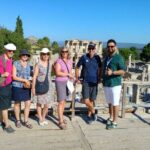
The big advantage of small-group format (maximum 12) is pacing. Ephesus is huge in real life. When your group is larger, you end up power-walking and missing the good stuff. Here, the guide’s style seems to make a difference, with clear explanations that connect what you’re seeing to how Ephesus functioned in Hellenistic and Roman times.
One more practical plus: lunch is included. That matters on a long day when you’d otherwise scramble for food between ruins and countryside stops.
You can also read our reviews of more tours and experiences in Kusadasi.
Entering the Ancient City: Ephesus Ruins and the Theater Where Stories Happen
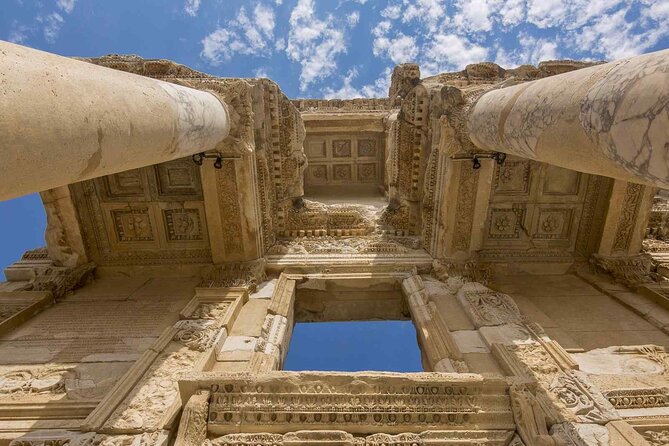
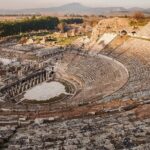
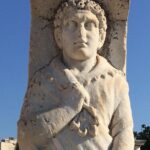
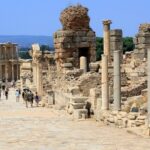
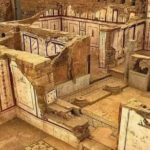
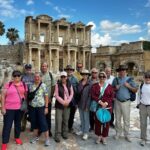
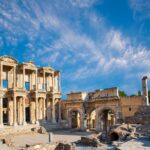
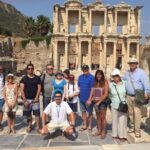
Ephesus is not a quick stop. It’s a full 2 hours of wandering through one of the best-preserved ancient city ruins in the region. You’ll see it all as marble architecture from multiple eras rather than one single monument. The itinerary calls out the city’s key role in the urbanization, architecture, and religious life of the Hellenistic and Roman periods—so the visit isn’t just about pretty columns. It’s about how the city worked.
Here are the standout pieces you’ll likely be pointed toward:
- Odeon (a performance space)
- Fountain of Trajan
- Terraces of Apartment Houses
- Scholastika’s stream baths
- Temple of Hadrian
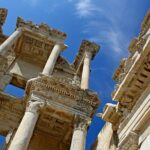
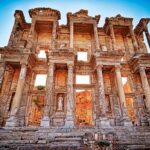
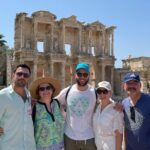
- The Library of Celsus with its columns and statues
- Grand Theater, described as antiquity’s largest theater, with capacity around 24,000, tied to the moment when Saint Paul preached there
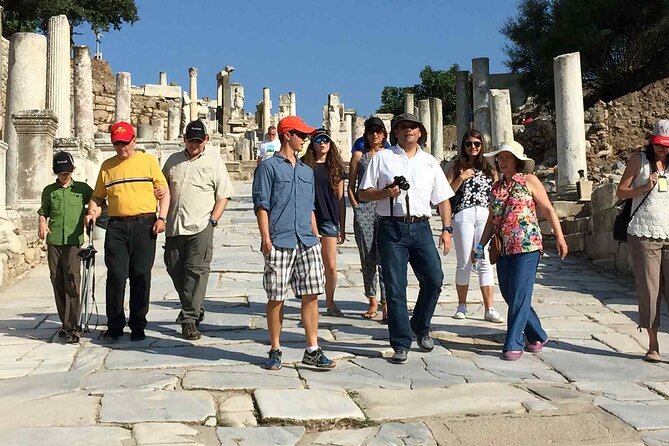
The practical reality: even with a guide, you’ll be doing a lot of walking on uneven ground. I’d treat it like a good half-day hiking outing. Bring shoes you trust. Also plan for sun and heat—Ephesus has big open areas where shade can be limited.
The best way to get value is to let the guide connect sites to daily life. When someone explains how a theater, baths, and civic buildings fit together, the ruins stop being random piles of stone and start resembling a real city you can almost map in your head.
Meryemana (The Virgin Mary’s House): The Walk With Olive Trees and Three Fountains
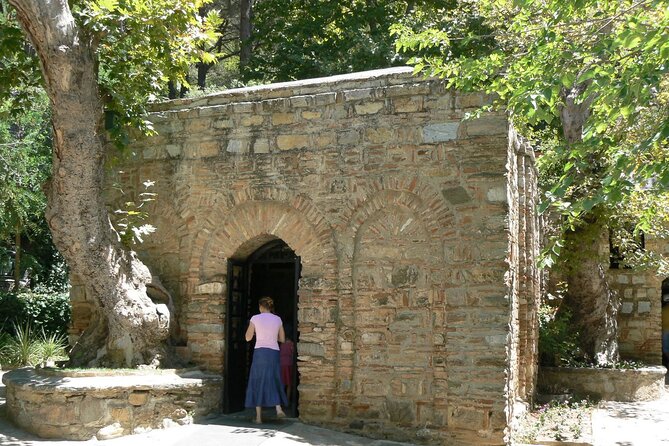
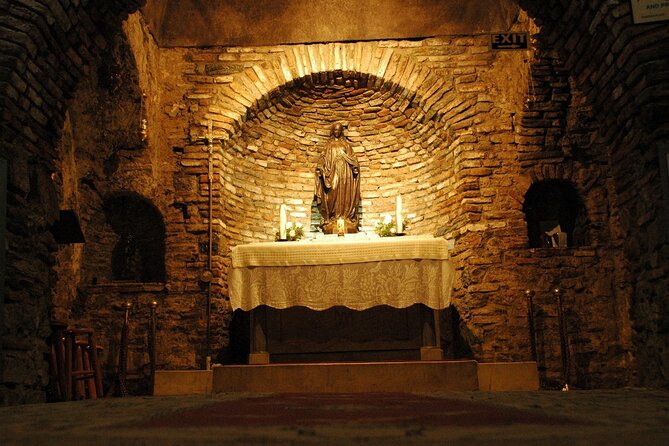
After Ephesus, the day shifts tone. Stop 2 is Meryemana, commonly called the Virgin Mary’s House, and it has a different kind of atmosphere than the ruins. The setting is described as sacred for Christians, with Muslims and visitors of different backgrounds also making pilgrimages and prayers.
What makes this stop more than a quick photo stop are the built-in details:
- The approach is lined with olive trees, planted by Lazarist monks in 1898
- The statue of Mary at the end of the olive-lined path is described as a community gift from Izmir, dated 1867
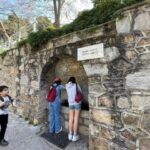
- The visit continues to three fountains accessed by descending stairs on the right
- Water is described as drinkable from the fountains and wells nearby, with a traditional belief that it has healing qualities
You’ll probably feel the “slow down” effect here. Even if you’re not traveling for religion, this is one of those places where people naturally lower their voices and look around. It’s also a good mental reset after the stone intensity of Ephesus.
Time-wise, you get about 40 minutes. That’s enough to walk the approach, visit the main area, and spend a few quiet moments without feeling rushed into the next stop.
Isa Bey Mosque: A 14th-Century Anatolian Landmark in Selçuk Hills
Next up is İsa Bey Mosque, listed as a stop with about 30 minutes. It’s described as one of the oldest and most impressive works of architectural art remaining from the Anatolian beyliks, built around 1374–75.
The location matters. It sits on the outskirts of the Ayasluğ Hills near Selçuk, so the stop has a countryside feeling rather than a purely urban one. Admission is listed as free here, which is a nice bonus on a day where some other major sites require tickets.
If you like architecture, this is a good counterbalance to Ephesus. Instead of Roman grandeur, you get a medieval Islamic landmark with a very different look and purpose. Even if you’re not an architecture fan, the mosque can be a worthwhile pause to stretch, catch your breath, and recharge before you head back toward Ephesus-side landmarks again.
The Temple of Artemis (Artemision): A Quick Look at Where Diana Was Worshiped
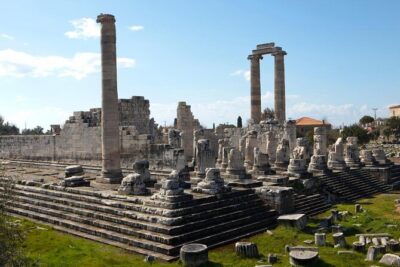
The tour includes a short stop at the Temple of Artemis, also known as the Temple of Diana, which was located in Ephesus. This is scheduled as about 20 minutes, and admission is listed as free.
This stop is quick, so manage your expectations. You’re not going to spend long hours here. Think of it as orientation—tying Artemis worship to the broader Ephesus story. The guide can help you understand why this temple mattered to the region, even if what you see today is only a portion of the original site.
If you’re the type who likes to linger, use this time strategically:
- Take a moment to pinpoint where you’re standing relative to the bigger Ephesus complex.
- Then transition back into the day with a clearer sense of the timeline and religious shifts over centuries.

Transportation and Group Size: AC Van Comfort, Small-Group Control
The logistics here are simple, and that’s a good thing. You’re picked up from hotels in Kuşadası and Selçuk, travel by AC deluxe van, and parking fees are handled. With a maximum of 12 travelers, you usually get a calmer experience than the big-coach version of Ephesus tours.
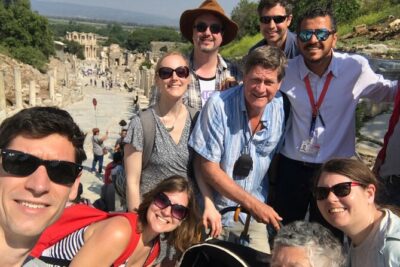
The guide being English-speaking matters for value. Ephesus rewards explanation. The ruins are not labeled like a museum. With a good guide, you learn what you’re looking at and why it matters. Recent guide feedback highlights detail-oriented storytelling from Harun/Harum, with explanations that help you visualize daily life and religious connections associated with Saint John and Saint Paul.
Time-wise, the full day is about 8 hours. That’s long enough to feel like a proper outing, but not so long that it burns the whole day the way some multi-stop tours can. Still, you’re doing multiple transitions: ruins to spiritual site to mosque to temple area.
Bring a light layer if you’re sensitive to temperature changes. And pack a small water/snack strategy, because beverages are not included (lunch is included, but you’ll still want something for the in-between moments).
Lunch Included: The Practical Value on a Ruin-Heavy Day
Lunch is included, which is a real quality-of-life detail. On a day like this, the biggest risk isn’t missing one monument—it’s letting hunger hijack your mood. With lunch already in the plan, you’re less likely to lose time hunting for food around the wrong corner.
One thing to watch: beverages aren’t listed as included. That means you may want to buy water separately during the day or plan to use any included water sources if you’re visiting Meryemana’s fountains (the tour description mentions drinkable water there).
If you have dietary needs, you’ll want to check when you book, since the specifics of lunch aren’t provided in the tour details you shared.
Price and Value: What Your $138.47 Covers (and What It Doesn’t)
At $138.47 per person, you’re paying for a structured, guided day with several cost categories handled up front:
- Transportation by AC deluxe van
- English-speaking guide
- Lunch
- Parking fees
- All fees and taxes
What’s not included is also clear:
- Admission tickets for Ephesus and Meryemana (listed as not included)
- Beverages
- Personal expenditures
- Gratuities to guides and drivers
So the value question becomes: do you want help and interpretation, or do you want full DIY freedom? This tour is best if you like having someone connect the dots across dozens of sites and centuries of history in a single day. You also avoid the hassle of coordinating your own transport between Kusadasi/Selçuk and each stop.
If you’re the type who’s fine with guide-free exploration and you already know how to plan ticket timing, you might prefer a DIY approach. But for most first-timers, this is priced like a tidy convenience package with real payoff at the ruins.
Who This Tour Suits Best
This is a strong fit for:
- First-timers in the Ephesus area who want a hit list that still feels guided
- History and architecture lovers who benefit from someone explaining the “why”
- People drawn to religious and cultural sites, especially the emotional tone many visitors feel at Meryemana
- Travelers who want a calmer group size, capped at 12
It may be less ideal if:
- You want total control and don’t want to rely on set stop times
- You struggle with moderate walking and uneven surfaces
- You’re trying to minimize extra ticket costs since key sites require admission
A nice extra: some guide feedback points to moments of local daily life, like quick pauses that may include local cafes and even a bazaar. That’s the kind of thing that can make the day feel less like a checklist and more like a real Turkish experience.
Tips to Get More From Every Stop
A guided day like this works best when you come prepared. Here’s how to get more out of the time you have:
- Wear comfortable, grippy shoes for uneven ancient paths and marble areas.
- Bring sun protection. Ephesus has big exposed stretches.
- Expect a layered day: loud stone city, then quiet spiritual space, then countryside mosque views.
- Plan for admission tickets for Ephesus and Meryemana so you don’t end up stuck at the start of the day.
- If you’re emotionally drawn to Meryemana, allow your brain to slow down. This isn’t a sprint.
And yes, your legs may complain after the theater area. That’s normal. Ancient stone doesn’t do springy cushioning.
Should You Book This Ephesus Tour From Kusadasi?
I’d book it if you want an efficient, guided day that connects the major sites without turning Ephesus into a rushed blur. The combination of English-speaking guidance, small-group size, and included lunch hits the sweet spot for first-time visitors—especially when you care about understanding what you’re seeing.
Skip it or rethink if you hate structured schedules, can’t handle moderate walking, or want to avoid paying additional admission fees. In that case, you might prefer a DIY plan where you choose every minute.
If you do book, treat the day like a full outing: comfortable shoes, budget for tickets at the two paid stops, and let the guide do what you can’t easily do alone—turn ruins into a story you can actually picture.
FAQ
How long is the Ephesus tour from Kusadasi?
The tour runs about 8 hours.
Is pickup offered, and where from?
Pickup is offered from any hotel in Kusadası and Selçuk.
What’s included in the tour price?
Transportation by AC deluxe van, an English-speaking guide, lunch, parking fees, and all fees and taxes are included.
Are admission tickets included?
No. Admission tickets are not included for the Ancient City of Ephesus and for the Virgin Mary’s House. Admission for Isa Bey Mosque and the Temple of Artemis is listed as free.
Do I need to speak Turkish to enjoy the tour?
The tour is offered with an English-speaking guide.
Is there a group limit?
The tour has a maximum of 12 travelers, and there is a minimum of 2 people required per booking.
Is lunch included, and are beverages included?
Lunch is included. Beverages are not included.
What is the cancellation policy?
Free cancellation is available if you cancel up to 24 hours in advance for a full refund.
Is the tour suitable for kids?
Children must be accompanied by an adult.