REVIEW · BIBLICAL EPHESUS & ST. JOHN TOURS
Private Ephesus, Mary’s House, St. John Basilica with Lunch
Book on GetYourGuide →Operated by Ephesus Shuttle Private and Small group · Bookable on GetYourGuide
Ephesus without the crowd grind is the win. This private tour from Kusadasi ties together the big Roman star attractions in Ephesus with two major Christian pilgrimage stops (Mary’s House and St. John’s Basilica), and it’s built around skip-the-line ticket handling by your guide. My other favorite part is the pacing: you’re not stuck watching a parade of tour groups, and the guide can answer questions as you go. The main thing to think about is that entrance fees are not included, so you’ll settle those directly with your guide at the end.
You’ll also get a proper break at lunch in Selçuk, and the day stays efficient without feeling rushed on paper. That said, this itinerary is intense for a 6-hour window, and walking is constant—so if you have mobility limitations, this one won’t feel good.
Key points worth knowing
- Private pickup at Kusadasi port with a sign and timing matched to cruise arrivals
- 2 hours in Ephesus focused on Library of Celsus, Baths of Scholastica, Grand Theatre, and more
- Mary’s House visit in the Aladag Mountains area, tied to long-standing pilgrimage tradition
- Traditional kebab lunch in Selçuk with mezes and salad
- St. John’s Basilica + Artemis Temple as your end-of-day spiritual and ancient-world anchors
In This Review
- Entering Ephesus: Kusadasi Port Pickup and the Right Pace
- Library of Celsus, Baths of Scholastica, Grand Theatre: What 2 Hours Can Really Cover
- Marble streets and the public buildings that made the city work
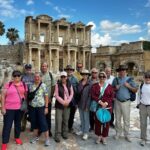
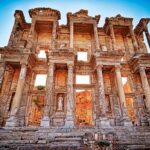
- Library of Celsus: the postcard façade with real engineering behind it
- Grand Theatre: built early, expanded big
- Other major stops along the way
- Mary’s House on the Aladag Mountains: Pilgrimage Meets a Quiet Setting
- Selçuk Lunch: Kebabs, Mezes, and a Breather You Actually Need
- St. John’s Basilica: Tradition Tied to Ayasuluk Hill
- Artemis Temple: The Seven Wonders Story in One Last Stop
- Private Guide Value: Who You’ll Learn From Matters
- Price and Logistics: What $134 Really Buys (and What Costs Extra)
- Comfort, Crowds, and the Stuff You Might Not Expect
- Who This Tour Suits Best
- Should You Book This Private Ephesus, Mary’s House, and St. John Tour?
- FAQ
- Where do I meet my guide for this tour?
- When will pick-up happen after my cruise arrival?
- How long does the tour last?
- Is transportation included, and is it air-conditioned?
- Is lunch included?
- Are entrance fees included in the price?
- Is this tour private?
- What sites are included in the itinerary?
- Is the tour suitable for people with mobility impairments?
- What should I bring and wear?
- What’s the tour language?
Entering Ephesus: Kusadasi Port Pickup and the Right Pace
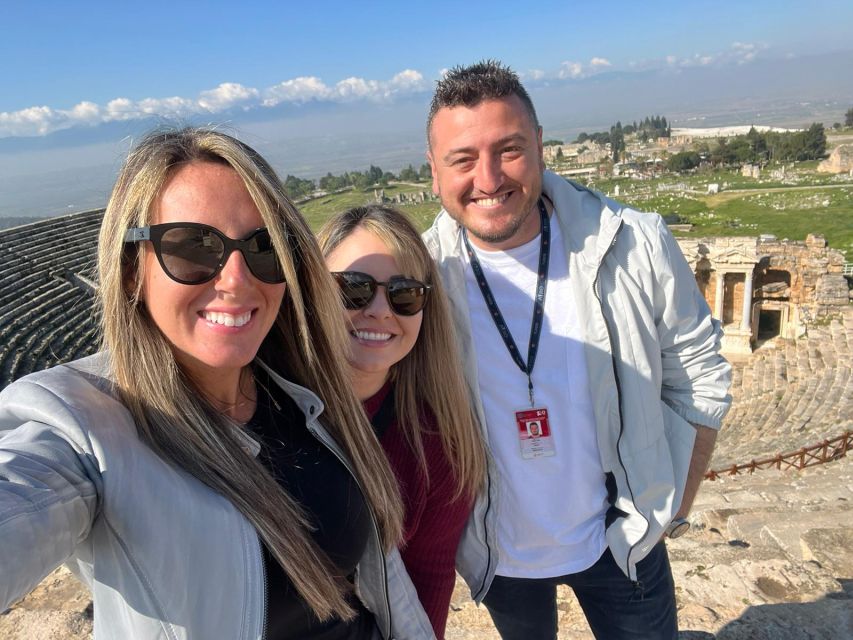
This tour starts at Kusadasi Cruise Terminal, where your guide meets you with a sign that has your name on it. Cruise timing matters here. Pick-up is usually about 30 minutes after your ship docks, and you’ll receive the exact timing by email within 24 hours of booking. If that message doesn’t show up, contact the operator so you don’t lose the connection.
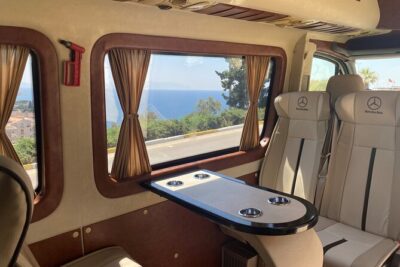
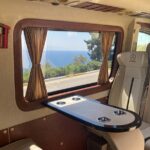
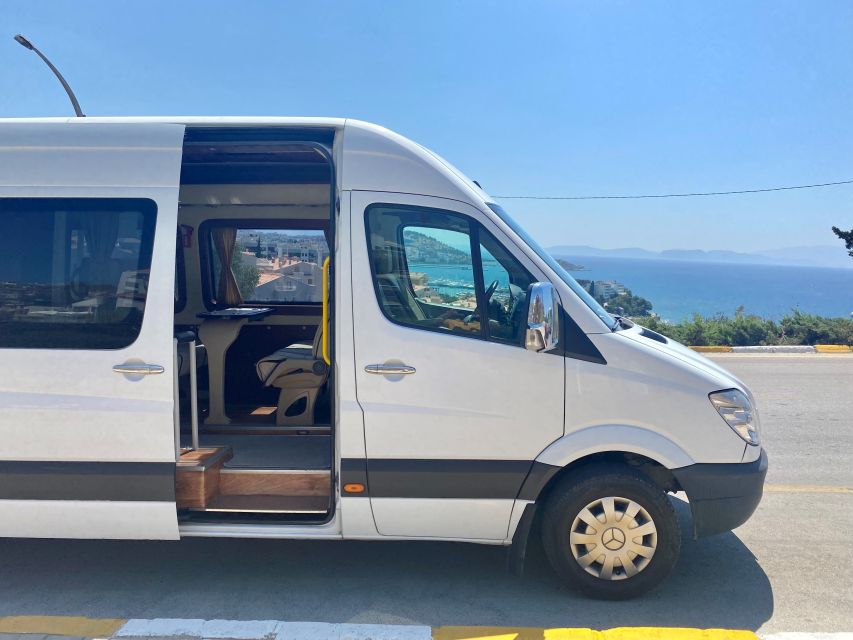
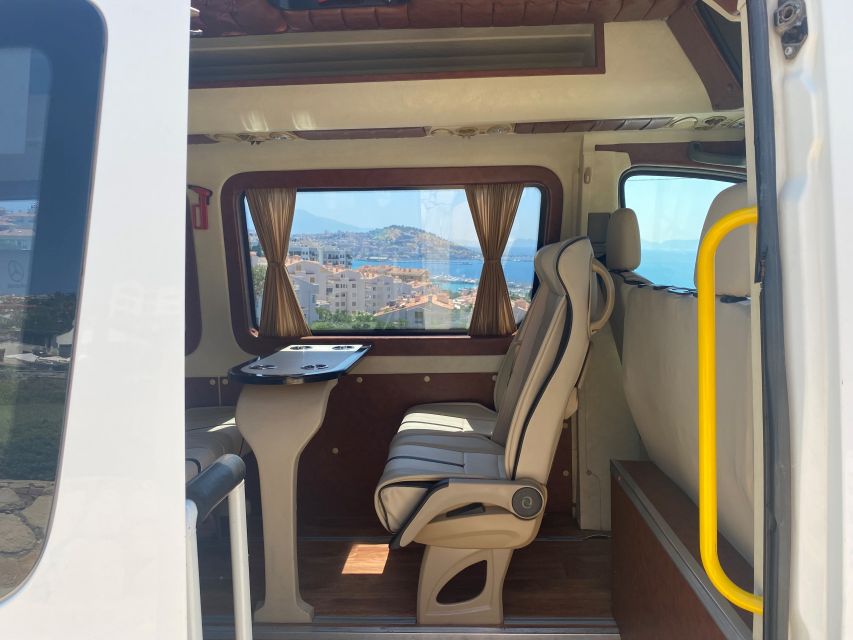
Once you’re matched with your guide and driver, you’ll head out by private A/C minibus. You’re not doing the “hunt for your group” thing, and that alone makes the start less stressful—especially on port days when everyone else is scrambling.
The day is designed for momentum. Ephesus is a major site, but you still get a full sampler: marble streets, standout public buildings, and the pilgrimage stops that most first-timers want. The private structure is the real value here. You get the freedom to keep moving at a comfortable tempo rather than being marched at someone else’s pace.
One practical tip: if you’re the type who wants photos at every stop, tell the guide early. A good guide will adjust where possible so you get shots without losing the thread of the sights.
Library of Celsus, Baths of Scholastica, Grand Theatre: What 2 Hours Can Really Cover
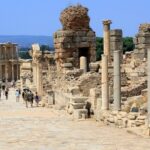
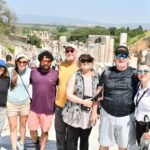
Your Ephesus portion is a guided walk of about 2 hours through the city’s most recognizable monuments. That’s the right amount of time for most people who want the “greatest hits” without spending the entire day. Ephesus can swallow hours if you wander off, so having a route matters.
Here’s what you’ll see, and why it matters:
You can also read our reviews of more private tours in Kusadasi

Marble streets and the public buildings that made the city work
Ephesus was a major port city and a departure point for trade routes into Asia Minor. That commercial importance is written into the city plan. You’re not just looking at ruins—you’re moving through evidence of how a wealthy hub functioned.
As you walk, the guide points out key public spaces, including the Baths of Scholastica. Baths in Roman cities weren’t just for hygiene; they were social centers and symbols of civic pride.
Library of Celsus: the postcard façade with real engineering behind it
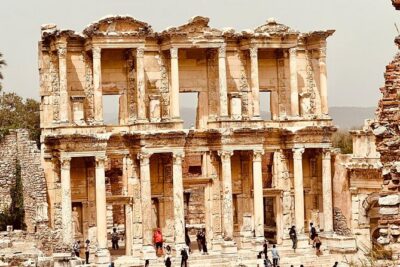
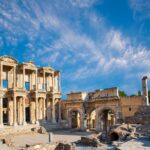
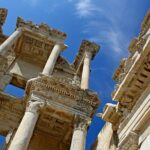
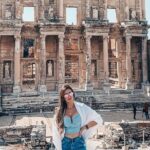
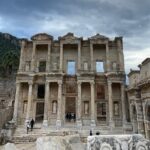
The Library of Celsus is one of those sites that looks instantly familiar, even from a distance. It was built in the beginning of the 2nd century A.D. as a memorial commissioned by Gaius Julius Aquila to honor his father, Gaius Julius Celsus Polemanus, a proconsul of the Province of Asia. That “memorial” angle helps you see it as more than a pretty wall. It’s a statement—power, status, and education all in stone.
Grand Theatre: built early, expanded big
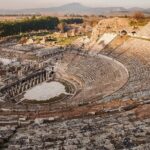
You’ll also get a look at the Grand Theatre. It was built in the 3rd century B.C., then expanded by the Romans in the 1st century A.D. to hold around 24,000 spectators. In practical terms, this is where you understand Ephesus as an entertainment and public-life machine. When you stand near theater architecture, you can feel why crowds gathered here.
Other major stops along the way
Depending on the route and what time allows, you’ll also pass major landmarks like the Temple of Hadrian and other prominent structures in the city core. Even if some columns are missing or partial, the scale still hits. In a private format, you can ask, “What’s the point of this building?” and get a straight answer instead of a hurried script.
Small drawback to expect: 2 hours is tight. If you’re the kind of person who wants to linger in every niche, you might feel the time pressure. Still, you’ll leave with a clear map of what you saw and what you’d want to revisit later.
You can also read our reviews of more tours and experiences in Kusadasi
Mary’s House on the Aladag Mountains: Pilgrimage Meets a Quiet Setting
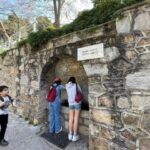
After Ephesus, you’ll drive to the House of Virgin Mary, located in the Aladag Mountains area, about 5 miles from Ephesus. This is one of the most moving stops on the itinerary because it shifts the tone from civic grandeur to spiritual reflection.
The tradition here is strongly linked to the third Ecumenical Council in 431 AD in Ephesus. The claim is that Mary came to Ephesus with St. John around 37 A.D. and lived there until her death around 48 A.D. Centuries later, the location was recognized through a formal pilgrimage context in 1892, declared by the Archbishop of Izmir. Pope Paul VI later visited on July 26, 1967, praying at the site.
You’ll get about 45 minutes at the House of Virgin Mary with guided time. That’s enough to take it in without turning it into a photo-competition.
What I like about this stop is the contrast. Roman ruins can feel loud even when you’re alone. Here, you’re in a space defined by quiet and intention, and that helps you absorb everything you just walked through in Ephesus.
Practical note: wear shoes you trust. The path and ground can be uneven, and you’ll be standing and walking steadily through the day.
Selçuk Lunch: Kebabs, Mezes, and a Breather You Actually Need
Your lunch stop is in Selçuk, with about 1 hour set aside. This matters on a day like this. Ephesus ruins look “outdoorsy,” but the walking adds up. A real meal keeps you from turning into a cranky museum ghost later.
The lunch you get is described as a traditional kebab with mezes and salad. It’s included, which is a big deal for value on a private tour—private tours often charge you again and again once you arrive.
One helpful thing from past participants: vegetarian requests can sometimes be arranged if you communicate your needs. If you’re traveling with specific dietary limits, don’t wait until you’re hungry—bring it up when you can.
If you’re the type who hates meal chaos, don’t worry. With a guided schedule and private transport, lunch is slotted in between the major landmarks, not tacked on as an afterthought.
St. John’s Basilica: Tradition Tied to Ayasuluk Hill
Next comes St. John’s Basilica, with about 30 minutes for guided time. The tradition is that the evangelist St. John spent his last years in the region around Ephesus and was buried on the southern slope of Ayosolug Hill.
That belief gives the stop a different flavor than the Roman civic monuments. You’re not reading the city through architecture alone. You’re reading it through religious geography—how people connected memory, place, and faith over time.
Thirty minutes is not long, but it’s long enough to see the main points, step back for a calm look, and keep your energy for the final ancient-world stop.
If you care about context, ask the guide how the St. John tradition links to the Ephesus area. In a private tour, those questions don’t get buried under group logistics.
Artemis Temple: The Seven Wonders Story in One Last Stop
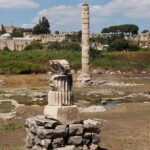
You’ll finish with a stop at the Temple of Artemis, sometimes spelled out as Artemis Temple in tour descriptions. This is where your day closes with an ancient-world reference point: Artemis was one of the seven wonders of the ancient world.
Because the remains are not what they would have been at peak, the best way to enjoy this stop is by letting the guide’s explanation build the picture. You’ll likely see a mix of physical remnants and the story of the temple’s former importance.
You’ll get about 20 minutes here, then you drive back to Kusadasi town center and toward the port for drop-off.
If you love photos, this is a good one to prep mentally. The site is easy to “see and move on” quickly, so don’t let your camera gear delay you. Keep your time simple: one or two good angles and a quick memory check in the head.
Private Guide Value: Who You’ll Learn From Matters
Private tours live or die on the guide. When the guide is strong, you don’t just see ruins—you understand what you’re looking at and why it was important.
I’ve seen examples of guides doing this really well. One guide named Ilgu Tekdemir (with driver Murat) was described as knowledgeable about the sites and good at avoiding the heaviest crowds. That kind of talent translates into a smoother day: less waiting, fewer photo interruptions, and better explanations at the right times.
That said, there’s also a fair caution. Not every guide will match your preferred depth of history, and sometimes the focus may lean more toward getting you through the route comfortably than explaining every single detail. If your top priority is history detail, bring that up early in the day with a simple ask like, “Can we spend extra time on the stories behind the big monuments?”
Either way, having a private professional guide is the main reason this format works. You can ask questions on the spot, and the schedule can adjust around what you care about.
Price and Logistics: What $134 Really Buys (and What Costs Extra)
At $134 per person for 6 hours, this tour can feel like a deal—especially because private transportation and a guide are included. You also get traditional lunch, plus listed parking fees and local taxes. That helps keep the day from turning into a guessing game.
The big “not included” item is entrance fees. The good part: your guide has pre-paid tickets to help you skip the ticket line. You’ll pay the entrance fees to the guide at the end of the tour.
So the value is this: you pay for the experience structure—guide, route, and transport—then entrance fees become a straightforward pass-through rather than a surprise expense you have to manage yourself at the gate.
What I’d do if I were budgeting: plan for entrance fees on top of the listed price and bring a payment method your guide can accept. (The tour info says you pay at the end, so don’t assume it’s handled up front.)
Comfort, Crowds, and the Stuff You Might Not Expect
This is a walking day. The itinerary is packed, and you’re on your feet through Ephesus and the stops afterward. Comfortable shoes are essential. The tour isn’t suitable for people with mobility impairments, so if you’re on wheels or need frequent assistance, skip this one.
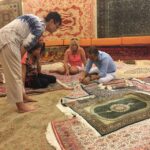
One more practical heads-up: depending on the day, you might encounter a short stop connected to crafts or demonstrations. For example, a carpet demonstration has been described as educational, but also as having sales pressure to purchase. If you’re not interested in shopping, go in polite and firm: thank them, don’t linger, and keep your focus on the main route.
On the flip side, some schedules can include small extras if there’s time. One example is an added archaeological museum for a small extra cost. That’s not guaranteed, but it shows how flexible a private guide can be when the day’s pacing allows.
Who This Tour Suits Best
This private Ephesus tour works best if you:
- Want the Ephesus highlights plus Mary’s House and St. John without the stress of joining a big group
- Like a structured route so you don’t miss the key monuments in a short time
- Value included lunch and private A/C transport on a port day
- Are comfortable walking through a concentrated itinerary
You might want a different option if you:
- Have limited mobility (this one is not suitable)
- Prefer a long, slow “wander” through sites without fixed stop times
- Don’t want any risk of time spent in optional craft or demonstration stops
Should You Book This Private Ephesus, Mary’s House, and St. John Tour?
If you’re visiting Kusadasi on a cruise day and you want maximum impact in 6 hours, I think this is a strong choice. The combination of ancient monuments (Library of Celsus, Baths of Scholastica, Grand Theatre) with the pilgrimage sites (Mary’s House and St. John’s Basilica) hits two different kinds of curiosity in one day.
It also feels like solid value because you get private transport and a real meal included, and the guide has a plan for the ticket lines. Just budget for entrance fees, wear good shoes, and keep your expectations realistic: 2 hours in Ephesus means you’ll cover the big stuff, not every single corner.
Book it if you want a guided, efficient day that still leaves room for questions and a smoother flow through crowds.
FAQ
Where do I meet my guide for this tour?
You meet your guide at Kusadasi Cruise Terminal (Feribot İskelesi, Kusadasi Cruise Pier). The tour also mentions pickup for hotel guests from their hotel lobby.
When will pick-up happen after my cruise arrival?
Pick-up is usually about 30 minutes after your cruise arrival. The exact pick-up time is emailed to you within 24 hours after your reservation.
How long does the tour last?
The duration is 6 hours.
Is transportation included, and is it air-conditioned?
Yes. You get private transportation by an A/C vehicle (a brand-new minibus).
Is lunch included?
Yes. Lunch is included and is described as a traditional kebab lunch with mezes and salad.
Are entrance fees included in the price?
No. Entrance fees are not included. Your guide will have pre-paid tickets to help you skip the ticket line, and you pay entrance fees to the guide at the end.
Is this tour private?
Yes. The tour is described as private, with a private professional guide and private transportation.
What sites are included in the itinerary?
The tour includes Ephesus Ancient City, the House of Virgin Mary, St. John’s Basilica, and a stop at the Temple of Artemis.
Is the tour suitable for people with mobility impairments?
No, it’s not suitable for people with mobility impairments.
What should I bring and wear?
Bring comfortable shoes for walking.
What’s the tour language?
The live tour guide is English.