REVIEW · EPHESUS TOURS
Private Ephesus Shore Excursion from Kusadasi with Ticket Option
Book on Viator →Operated by Moira Travel Agency · Bookable on Viator
Cruise days move fast, and Ephesus is worth it. This private shore excursion uses your time well: pickup at the Kuşadası Cruise Port, a guided visit to UNESCO Ephesus, plus stops tied to Artemis, St. John, and the Virgin Mary. You also get a practical local add-on with Kuşadası Market shopping so the day feels more than just ruins.
I love that you’re not stuck in long lines. With the ticket option, tickets are arranged in advance so you can skip the worst waiting and get walking sooner. I also like the private setup: you’re with your group only, so your licensed guide can set the pace and answer questions instead of herding everyone through like cattle.
One thing to keep in mind: Ephesus is spread out and uneven, and the schedule can be tight on cruise timing. If you want a slower, deeper walk (or lots of unplanned shopping), you’ll need to communicate that early.
In This Review
- Key highlights you can plan around
- Why this Ephesus shore excursion fits cruise schedules
- Meet-up and private logistics from Kuşadası Port
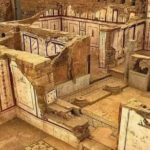
- Ephesus Ancient City: getting the most from about two hours
- Temple of Artemis: a short stop with a huge legend
- Basilica of St. John: Justinian’s church and the sleeping-in-legend angle
- House of the Virgin Mary: shrine history and what to expect in an hour
- Kuşadası fortress on Pigeon Island and Selçuk’s calmer side
- Tickets, priority entry, and how the ticket option changes your day
- Comfort notes: shoes, water, and heat control at the ruins
- Price and value: what you’re really paying for at $12.60
- Who should book this private Ephesus shore excursion
- Should you book this Kusadası-to-Ephesus private tour?
- FAQ
- Is pickup and drop-off included?
- How long is the excursion?
- Does the tour include entrance tickets?
- What sites are visited during the tour?
- Do I need to meet someone at the cruise port?
- What language is the tour offered in?
- What if the weather is bad?
Key highlights you can plan around
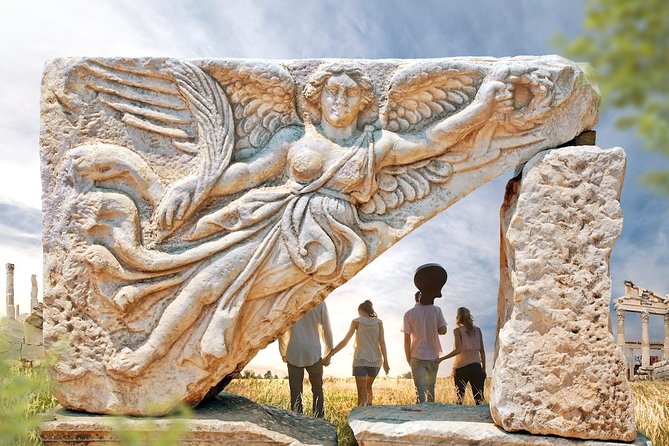
- Priority ticket option can save time at Ephesus and the House of Mary
- English-guided, private format keeps the day flexible for your group
- Smart timing advice helps reduce delays in busy entry areas
- Artemis + St. John + Mary cover the big “why people come” stories around Ephesus
- Kuşadası Fortress and Selçuk add local atmosphere beyond the main ruins
- Heat and uneven ground mean good shoes and water are non-negotiable
Why this Ephesus shore excursion fits cruise schedules
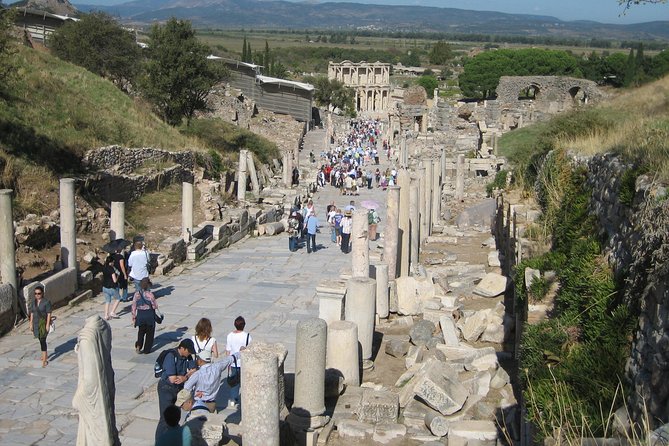
Ephesus is one of those places that’s hard to appreciate from a quick drive-by. But on a cruise day, you still need a plan that gets you in and out without stress. This tour is built for that reality. You meet at the port, jump into a luxury vehicle, and your guide keeps the order of sites realistic.
What makes it feel especially workable is the mix of stops. You get the headline UNESCO site, then you move through other iconic Ephesus connections: the Temple of Artemis, the Basilica of St. John, and the House of the Virgin Mary. It’s not just archaeology for the sake of archaeology. It’s also religion, legend, and the stories people carried through the region for centuries.
Finally, I like that the day includes time for Kuşadası and Selçuk. The port area can feel generic if you only do ruins. A bit of coastal town atmosphere helps the trip feel like Turkey, not just a museum trip.
You can also read our reviews of more tours and experiences in Kusadasi
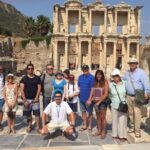
Meet-up and private logistics from Kuşadası Port
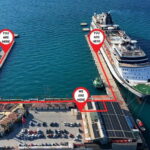
This starts at the Kuşadası Cruise Port, and you’ll coordinate your exact meeting time after booking. On cruise days, that matters. You don’t want to be standing in the wrong place while customs lines shuffle forward.
Pickup and drop-off are included, along with parking fees, and the vehicle is described as luxury. Reviews also point to clean, air-conditioned rides, which is a big deal when you’re stepping out into Aegean heat.
The private part is more than a marketing phrase. It usually means you’re not forced to follow a rigid group rhythm. If you’re the kind of traveler who asks questions, wants photo time, or prefers not to sprint between sites, private guidance works in your favor.
Also: you’re in English. That’s listed as the offered language, and it’s worth confirming at the start that your guide is matching your language expectations.
Ephesus Ancient City: getting the most from about two hours
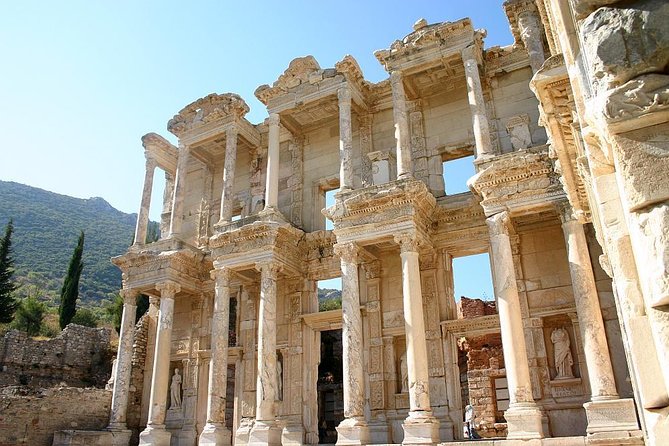
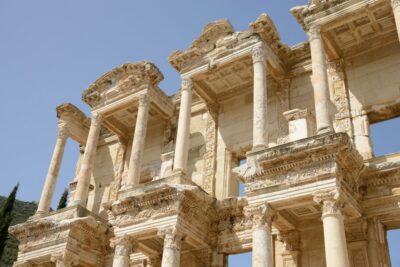
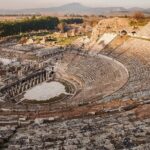
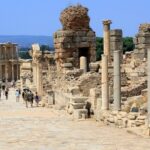
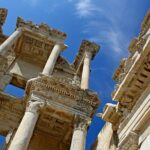
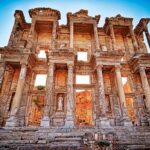
Your main block at Ephesus is about 2 hours, and the ticket is handled through the tour (entrance fees are not included unless you choose the ticket option). Even with limited time, Ephesus gives you a powerful sense of scale because it’s tied to a long timeline.
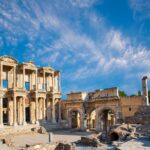
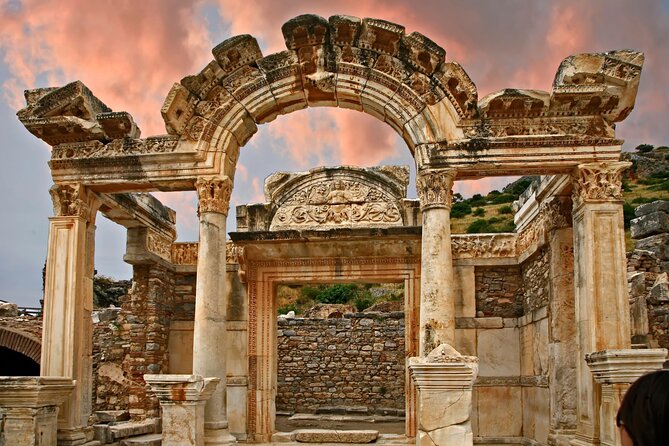
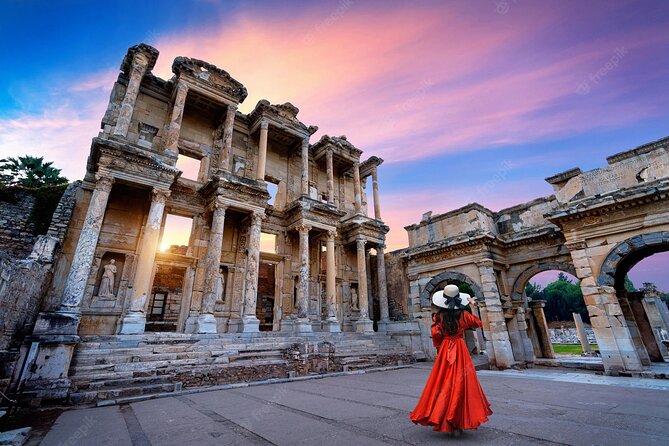
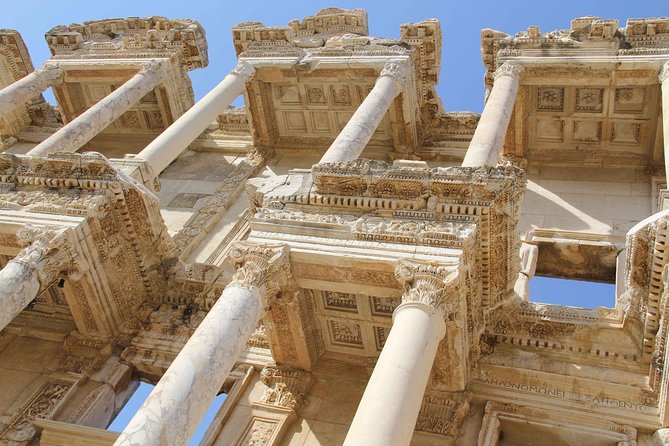
Here’s the context your guide should bring to life as you walk: Ephesus didn’t stay in one exact spot forever. The city’s earliest settlement is linked to Ayasuluk Hill, then it shifted locations over time—later toward areas north of Mount Panayır, then into the valley between Mount Panayır and Mount Bülbül, before returning again to Ayasuluk Hill due to harbor silting and raids. You can feel that layered history when you’re in the archaeological zone: this wasn’t a single era city. It was a place that kept getting rebuilt, re-centered, and reimagined.
You’ll also hear the older name and meaning connected to the region: Ephesus is mentioned in Hittite cuneiform tablets under a name interpreted as “Honey Bee.” The guide’s job is to connect those dots—so your walk feels like a story instead of random stone.
Practical tip for your 2 hours: If you’re serious about photos, ask your guide when to hit the busiest angles. One of the best-quality guide moments in this area is timing—getting you moving to the right viewpoint before crowds thicken.
Temple of Artemis: a short stop with a huge legend
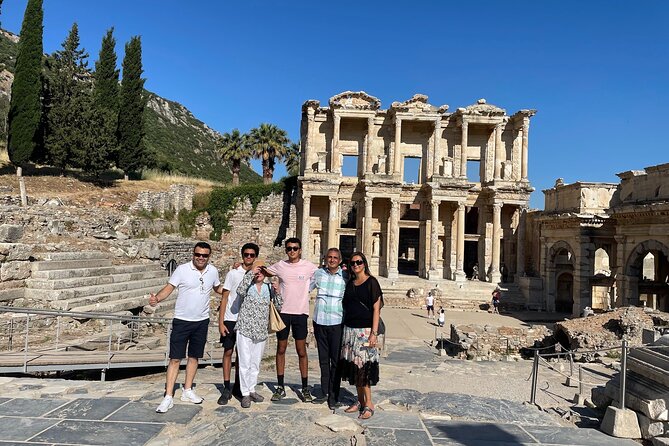
The Temple of Artemis is a fast one—around 30 minutes—and admission is listed as free. That’s actually useful. You get the core story without burning your entire day on a single site.
This stop matters because it explains why Artemis wasn’t just a name. The version of the goddess tied to Ephesus is described as an archaic, worshipped icon associated with fertility. The account is vivid: an early wooden style, with breast-like protuberances, and a body framed within a pillar-like structure. Your guide can point out how coins minted at Ephesus depict the goddess with a city-wall crown and serpent elements.
Then comes the famous fire story. The temple legend includes Herostratus, who set fire to the temple on July 21, 356 BC, tied to Alexander the Great’s birth. The idea of herostratic fame—fame at any cost—adds drama to what could otherwise be a dry history lesson. Later, Alexander offered to rebuild, and the Ephesians reportedly refused on principle: one god shouldn’t rebuild a temple for another god.
Even if you only get a short walk, you’re leaving with a clear sense of why the Artemis connection is a pillar of Ephesus identity.
Basilica of St. John: Justinian’s church and the sleeping-in-legend angle
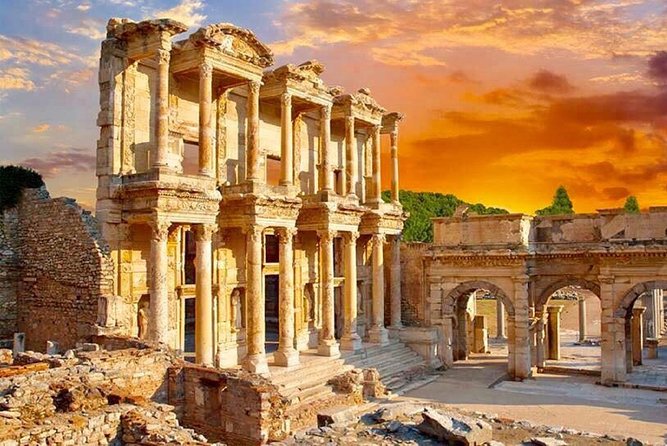
Next up is the Basilica of St. John, with about 1 hour on the schedule. Admission isn’t listed as included for this stop, so plan around that if you didn’t pick the ticket option.
This basilica is tied to Emperor Justinian and is built in the 6th century. It stands over a believed burial site of St. John, described here as the apostle and evangelist, linked to the Fourth Gospel and Revelation.
What I find interesting about this stop is how faith, identity, and history get braided together. The tradition around “John of Ephesus” is described as beginning early—then later equated with John the Evangelist, tied to the Gospel of John. Legends then expand further: the idea that he’s not dead but sleeping, with a mystical sign described as dust moving above the grave as if he’s breathing.
Even if you take the legends as legends, the stop still works. It shows you how Ephesus served as a spiritual anchor point, not only a trading and city center.
Time saver thought: If you feel your group wants more religious context and less museum-style commentary, this is the site where you’ll likely get the most mileage out of dialogue with your guide.
You can also read our reviews of more private tours in Kusadasi

House of the Virgin Mary: shrine history and what to expect in an hour
The House of the Virgin Mary is another 1 hour stop. Admission isn’t included unless you choose the ticket option, and your pickup info notes the included ticket coverage depends on the option you select.
This place is explained through a chain of discovery and official recognition. You’ll hear about Anne Catherine Emmerich’s visions, recorded by Clemens Brentano after she reportedly described the house in detail though she never traveled there. Then, in 1891, a superior of the Lazarists from Izmir is described as reading about the visions and finding a small building matching the descriptions.
The historical layer here is important: archaeological evidence is described as showing the house structure from the 6th century, with foundations earlier, from the 1st century. That blend—faith tradition plus physical evidence—is part of why the house became a pilgrimage site.
Official recognition is also part of the story: it’s declared a Roman Catholic shrine in 1896, then visited by popes including Paul VI (1967), John Paul II (1979), and Benedict XVI (2006). Even if you’re not a religious traveler, this is one of those stops that helps you understand how the area became meaningful to millions of people.
Kuşadası fortress on Pigeon Island and Selçuk’s calmer side
Not every Ephesus day includes time for Kuşadası itself, and I think that’s a win. One of the included stops is Kuşadası’s renovated Byzantine fortress on Güvercin Adası (Pigeon Island). It sits on a causeway-connected island, and a path around it includes information boards and a small lighthouse for views.
Inside the fortress, there’s a whale-related display: a 14.5m fin whale skeleton, plus models of sailing boats. It’s not a hard-core historical stop, but it gives you a break from the heavy archaeological grind and gives the day a local flavor.
Then you shift to Selçuk, described as a base camp for Aegean coastline exploration with a smaller-town feel. Here you’ll see the remains of an ancient Greek settlement area, plus Roman and Byzantine leftovers like an aqueduct ruin and a citadel ruin. Selçuk is also your chance to slow down slightly and soak in the vibe beyond the big-ticket monuments.
If you’re traveling with people who get tired of standing in sun all day, Selçuk is the kind of stop that can restore patience.
Tickets, priority entry, and how the ticket option changes your day
This tour is designed so you’re not blocked by ticket lines for the big sites. The key difference is whether you pick the ticket option.
- Entrance fees are normally not included.
- When you choose the ticket option, tickets are arranged in advance, specifically so you can skip long ticket lines for Ephesus ruins.
- Your pickup details also note that House of Mary and Ephesus Ruins ticket coverage is tied to the included option.
You’ll still want to double-check what’s covered for your exact selection before you start the day, because some stops list admission as not included while the Artemis stop is listed as free.
Also, this tour offers mobile ticketing. That matters if you’re moving quickly at a busy port. Less fumbling, less paperwork.
Comfort notes: shoes, water, and heat control at the ruins
Ephesus can feel like an open-air workout. One of the strongest practical points from real-world experiences here is this: the ground is uneven, and some marble can be slippery. Wear shoes with real grip. If your footwear is more fashion than traction, switch it before you step into the site.
Bring plenty of water. The ruins are spread out, and there isn’t always easy access to drinks once you’re inside the archaeological zones. One traveler even compared the experience to visiting Pompeii in hot conditions—no shelter, big site, and you’re exposed to sun.
If you can, plan your hydration rhythm: a few sips on the way in, then consistent small amounts during the walk. That’s better than trying to catch up later.
Finally, don’t pack your day with extra hopes of endless wandering. This is a guided flow built around cruise time. If you try to overextend, you’ll end up stressed, not charmed.
Price and value: what you’re really paying for at $12.60
At $12.60 per person, this tour is priced in a way that’s hard to beat for a cruise shore day. And the value isn’t just the low number—it’s what’s included.
You’re getting:
- Transportation in a luxury vehicle
- A professional licensed local tour guide
- Port pickup and drop-off
- Parking fees
Then there are the major variable costs: entrances. Entrance fees are not included by default, so the final value depends on whether you choose the ticket option. But even if you pay entrances separately, the tour has a major built-in advantage: it tries to protect your time at the most time-sensitive places.
Where I think this pricing works best is when you care about getting the story and logistics right. If you showed up on your own, you’d still be dealing with transport timing, ticket lines, and figuring out how to pace a large site. Here, that work is handled for you.
One more value angle: booking tends to happen well ahead (this type of excursion is often reserved months before). If your ship sails on a busy date, booking early can help you secure the kind of schedule that matches your arrival window.
Who should book this private Ephesus shore excursion
I’d point you toward this tour if:
- You’re on a Kuşadası cruise and want guided time at Ephesus without losing half the day to logistics
- You want history plus the big faith-linked stops around St. John and the House of the Virgin Mary
- Your group prefers a private flow instead of a bus-rush
- You like short, well-focused site blocks: Ephesus first, then Artemis, St. John, Mary, and then local scenery in Kuşadası/Selçuk
Based on past guide experiences shared by other passengers, the day can feel extra smooth with guides like Memo or Ali, known for being organized and not rushing people. The best guides here also help you take photos at the right times by managing crowds and traffic flow.
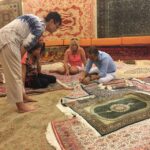
If you’re the type who wants zero shopping stops or zero side errands, tell your guide what your priorities are at the start. Guides may have suggestions for local craft shopping in Kuşadası Market, and you’ll enjoy the day more if you control how much time you spend there.
Should you book this Kusadası-to-Ephesus private tour?
If you want an efficient cruise-day plan that still feels personal, I think it’s a strong booking. The headline sites are covered, you get an English-speaking licensed guide, and the private format helps you avoid the chaotic feeling that often comes with big-group excursions.
The only real reason not to book is if you’re craving a slow, unhurried, hours-long archaeological experience with total freedom to wander. This day is structured, guided, and built around cruise return time.
If you do book, come prepared with good shoes and water, choose the ticket option if you care about line-free entry, and set your expectations early about how much shopping you’re comfortable with.
FAQ
Is pickup and drop-off included?
Yes. Port pickup and drop-off are included, along with transportation by luxury vehicle and parking fees.
How long is the excursion?
It’s listed as approximately 4 to 6 hours.
Does the tour include entrance tickets?
Entrance fees are not included by default. If you select the included ticket option, tickets are arranged in advance so you can skip long lines for Ephesus ruins, and the House of Mary tickets are included as well.
What sites are visited during the tour?
The day includes Ephesus Ancient City, the Temple of Artemis, the Basilica of St. John, the House of the Virgin Mary, plus stops connected to Kuşadası Fortress (Pigeon Island) and Selçuk.
Do I need to meet someone at the cruise port?
Yes. You meet your licensed tour guide at the Kuşadası Cruise Port with a sign that has your name. After booking, you’ll also be asked to contact the team to secure the meeting time.
What language is the tour offered in?
The tour is offered in English.
What if the weather is bad?
The experience requires good weather. If it’s canceled due to poor weather, you’ll be offered a different date or a full refund.