REVIEW · COOKING CLASSES
Private Ephesus Tour & Cooking Class in Village
Book on Viator →Operated by Phoenicia Travel · Bookable on Viator
Two worlds, one smooth day. You’ll pair a guided walk through major Ephesus landmarks with a real Turkish cooking class in the Çamlık countryside, plus a short stop in Selçuk. It’s a full day built for people who want history and food in the same breath, with private transportation doing the heavy lifting.
I love the story-first guidance—you’ll get Roman daily life context, and even the biblical connections that bring many people to this part of Turkey. I also love the hands-on cooking in a boutique local guesthouse, where you prepare lunch and eat it outdoors under pine trees.
One possible drawback: the big ancient-site tickets are not included. Plan on paying the Ephesus entrance fee (and Terrace Houses if you add them), and expect plenty of walking in the sun.
In This Review
- Key Highlights You’ll Want to Know Before You Go
- Why This Private Ephesus Day Works So Well
- Getting to Ephesus From Kusadasi: The First Lesson Is About Time
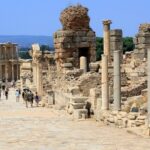
- Ephesus in About Two Hours: From Odeon to the Grand Theater
- Terrace Houses: Worth It, But Know the Add-On
- Practical Ephesus Advice for Your Comfort
- Çamlık Countryside Cooking Class: Where the Day Changes Gears
- What Makes the Meal Feel Authentic
- Wine and Coffee Notes
- Selçuk Old Town: Quick, Charming, and Good for Crafts
- Price and Value: What You’re Paying For (And What Costs Extra)
- Group Size, Guides, and the Quality of the Day
- What to Expect From the Walking and Cooking Rhythm
- Who Should Book This Private Ephesus Tour With Cooking Class
- Should You Book It?
- FAQ
- How long is the Private Ephesus Tour & Cooking Class?
- Where is the meeting point, and is pickup included?
- What entrance fees are not included?
- What is included in the cooking class and lunch?
- Is the tour offered in English?
- How long is the stop in Selçuk?
Key Highlights You’ll Want to Know Before You Go
- Private pace for Ephesus: You move with your own group and guide, not a packed cattle-car feeling.
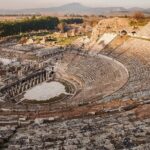
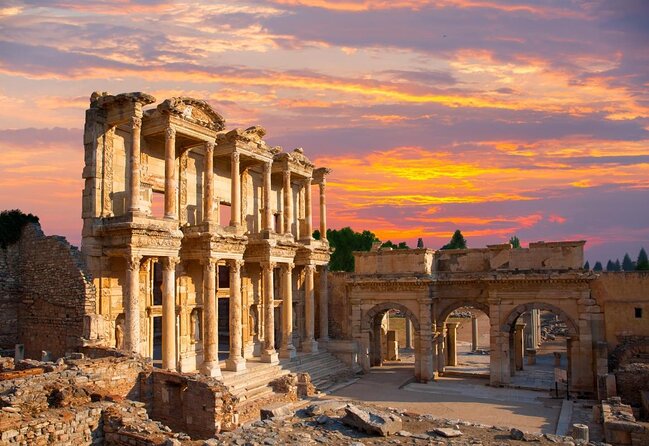
- Ephesus sights in a smart loop: Odeon, Hadrian Temple, Library of Celsus, and the Grand Theater all fit into a focused 2-hour visit.
- Çamlık cooking class with locals: You learn Turkish recipes, cook with guidance, then sit down to a shared lunch under pine trees.
- Guide names like Nesrin Ozkara and Azime: Multiple guides are praised for calm professionalism, strong communication, and pacing that feels easy.
- Selçuk for crafts and old-town vibes: You get a short stroll through a charming historic area with local art workshops (and sometimes more craft-focused stops).
Why This Private Ephesus Day Works So Well
Ephesus is famous for a reason, but a common problem is time. You either rush through the ruins, or you spend hours getting from place to place. This tour fixes that by bundling the big Roman sites with a countryside cooking experience and a quick add-on in Selçuk—without making you plan every leg yourself.
The private transportation matters more than it sounds. It helps you start smoothly, get to the ruins with less hassle, and then switch gears from archaeology to food with minimal friction. If you’re traveling with family (including kids and grandparents), this flow is a big plus.
The other win is the focus. Instead of turning Ephesus into a vague walk past stones, you’re guided through key stops with explanations about Roman diet, wine, and daily life. That context makes the city feel lived-in, not just impressive.
You can also read our reviews of more private tours in Kusadasi

Getting to Ephesus From Kusadasi: The First Lesson Is About Time
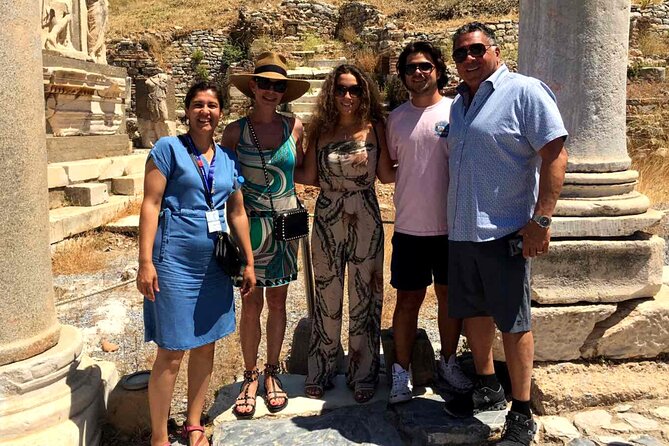
Your day starts in Kusadasi, with time to drive through town before you head toward the ancient area. Many departures are designed around a morning window that runs 7:00 AM to 11:00 AM, and if you’re on a cruise you’ll be picked up at the exit of the cruise terminal.
That timing is practical. Morning light helps photos, and cooler air makes walking more pleasant. If you’re one of those people who hates arriving sweaty, you’ll appreciate the early rhythm.
Also, this is a private tour, so your group goes together. That means less waiting for strangers, fewer interruptions, and more control over when you stop to look closer or take photos.
Ephesus in About Two Hours: From Odeon to the Grand Theater
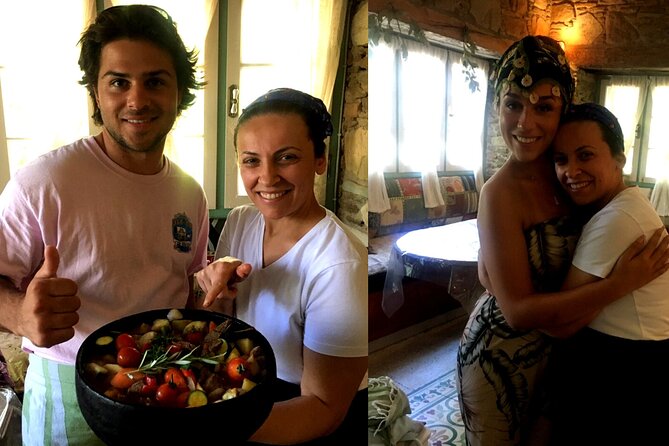
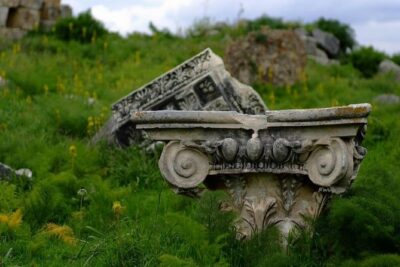
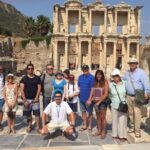
The Ancient City of Ephesus stop is the spine of the day, lasting around 2 hours. It’s also the part where tickets matter most, because the admission fee for Ancient City of Ephesus is not included in the price. You’ll still want a clear plan for what you want to see—this route is built to hit the big landmarks efficiently.
Here’s what the guided walk covers:
- Odeon (a performance space with an immediate sense of how public life worked)
- Temple of Hadrian (a Roman marker that helps you understand imperial influence)
- Latrina (the ancient public restroom area—oddly fascinating if you like seeing how everyday needs were handled)
- Ancient Stores and Avenues (the urban layout that shows how movement and commerce worked)
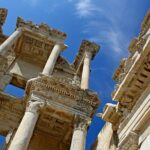
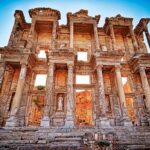
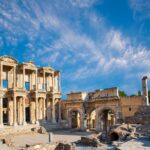
- Library of Celsus (one of the most dramatic photo stops in the whole site)
- Grand Theater (a huge stage for imagining crowds, speeches, and events)
What makes this more than a highlights tour is the way the guide connects the stones to people. You’ll learn about what Romans ate, including the idea of wines and food culture in ancient times. You’ll also hear about the daily life of a family living in Ephesus around 2000 years ago. That detail is what turns the visit into understanding, not just sightseeing.
Terrace Houses: Worth It, But Know the Add-On
You may also choose to add the Terrace Houses. The ticket for Terrace Houses is separate (listed as €15 per person). If you’re the type who likes seeing how houses were set up—beyond the public monuments—this is usually the kind of extra that pays off.
If you’d rather keep the day lighter and avoid extra ticket time, you can still get a strong Ephesus experience without it. The guided route already includes the major civic and theatrical highlights.
Practical Ephesus Advice for Your Comfort
Ephesus is outdoors, and it’s a walk. Wear shoes you trust on uneven stone. Bring water, sun protection, and a hat you don’t mind getting dusty. Even with a guided route, you’ll spend time moving between points, so don’t pack the day like it’s a museum inside a mall.
If you’re hoping to linger at Library of Celsus or take photos in softer light, tell your guide early. A good guide will help you time pauses so you don’t feel rushed.
Çamlık Countryside Cooking Class: Where the Day Changes Gears
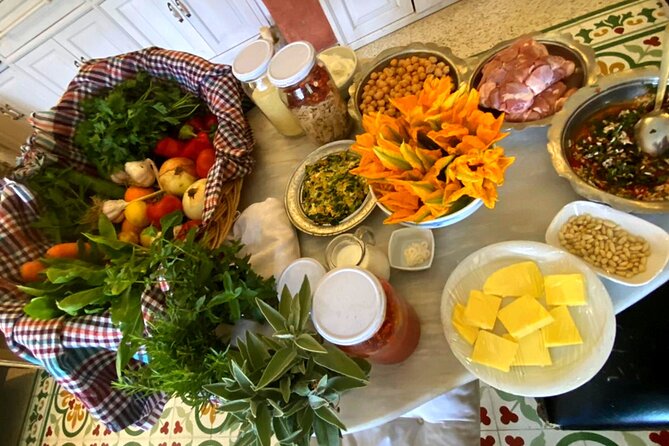
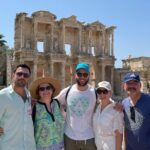
After Ephesus, the tour heads into the Ephesus countryside via Çamlık. This stop is about 2 hours and includes the cooking class and lunch. Entrance there is listed as free, which is nice—but the real value is what happens: you move from ruins and Roman context into Turkish cooking with local instruction.
In Çamlık, you’ll:
- learn Turkish cuisine recipes from locals
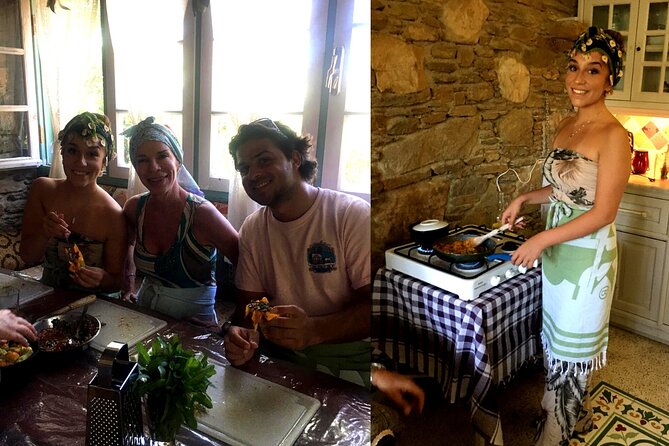
- prepare your own Turkish meal (hands-on)
- enjoy the meal outdoors under pine trees
This is the part of the day that feels most different from the typical tour. Cooking classes can be either hands-on or mostly watch-and-hope. Here, you participate. That means you leave with practical skills you can repeat at home, not just photos of a finished plate.
What Makes the Meal Feel Authentic
The meal isn’t presented like a restaurant performance. It’s structured around family-style hospitality. In the experience stories, hosts often add extra touches like garden fruit—peaches, melon, or plums grown on-site. That kind of detail isn’t a gimmick; it’s a sign the food culture is rooted in what’s available where the kitchen lives.
Some hosts also have on-site features like a pool, and the warm weather in the region can make that appealing. If you’re going in hot months, consider bringing swimwear so you’re not stuck wishing you had it.
Wine and Coffee Notes
Ephesus is tied to Roman food and wine themes, and some versions of the day include small tastings as you move through the area. If you see coffee and a quick wine taste mentioned in your tour communication, that fits the day’s overall food-and-history theme. Either way, the core is the cooking and lunch in Çamlık.
Selçuk Old Town: Quick, Charming, and Good for Crafts
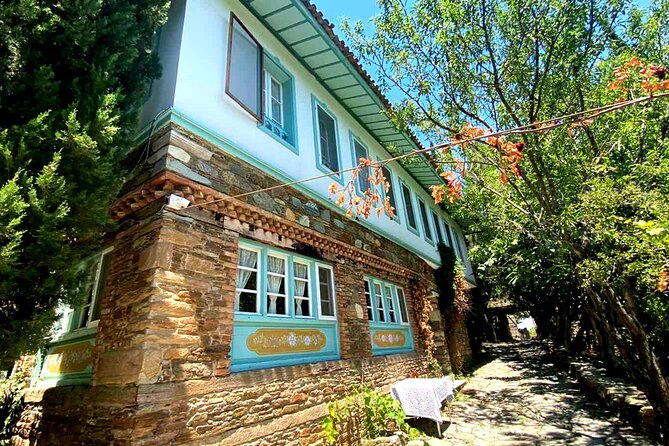
The last cultural stop is Selçuk, with about 20 minutes on the clock. Admission is listed as free here. It’s a short stretch through an old-town area known for cute houses and historic landmarks from both Byzantine and Turkish periods.
One detail that keeps popping up in the vibe of Selçuk is the presence of storks and small local art workshops. That matters because it adds variety after Ephesus and before you return to your meeting point.
Even in a short time, Selçuk can help you remember the day as more than archaeology. It’s where the region feels lived-in—shops, crafts, and everyday street life.
Some days also include extra craft-focused stops such as pottery or textile-related workshops during the broader Selçuk portion. If crafts are your thing, it’s smart to keep a little extra cash ready for small souvenirs, because these pieces tend to be more meaningful than mass souvenirs.
Price and Value: What You’re Paying For (And What Costs Extra)
The tour price is $189.00 per person for a 6 to 7 hour experience, with private transportation and a fluent English local guide included. Lunch and the hands-on cooking class are included, and fuel and parking fees are covered.
That pricing makes sense if you compare it to the cost of piecing everything together:
- Private transport plus a guide for Ephesus costs real money on its own.
- A hands-on cooking class with lunch often has a separate ticket cost elsewhere.
- You’re also getting an efficient itinerary: the major Ephesus sights plus countryside cooking and a quick town stop.
Now add what’s not included: the Ephesus entrance fee is €40 per person, and Terrace Houses (if you choose to add them) is €15 per person. If you’re budgeting, think of the base price as paying for the guide, transport, and included meal experience, then treat the ancient-site tickets as add-ons.
If you’re the type who likes to do major Ephesus highlights with less stress, this format offers solid value. If you’re already traveling independently and have the energy to handle tickets, transport, and guiding yourself, the extra money may feel less necessary. But for most people—especially on a limited schedule—it’s a smooth way to get the best parts without turning the day into a logistics project.
Group Size, Guides, and the Quality of the Day
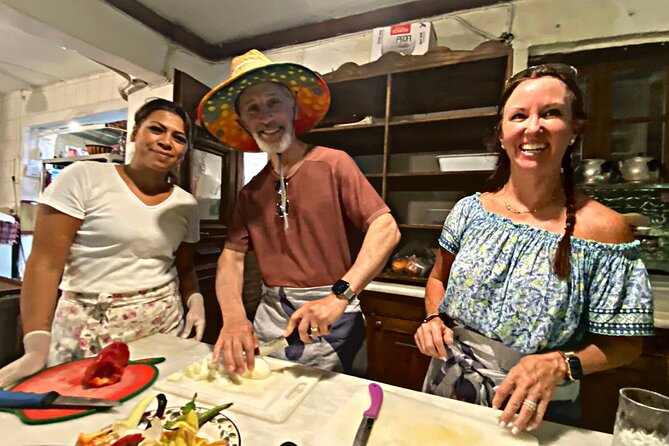
This is a private tour/activity, meaning only your group participates. That’s a big quality lever. In Ephesus, small adjustments make a day better: slowing down at a photo spot, turning a corner before the densest crowd, or spending extra time on the parts you care about.
Guide quality comes up repeatedly in the day’s feedback. Guides such as Nesrin Ozkara and Azime are praised for being calm, professional, and able to explain Ephesus in a way that feels alive. Communication is also mentioned, including timely updates and keeping the group moving without chaos.
You don’t just want facts. You want someone to connect the facts to human life. When a guide can explain Roman food culture and daily family life, Ephesus feels less like a checklist and more like a story you can picture.
What to Expect From the Walking and Cooking Rhythm
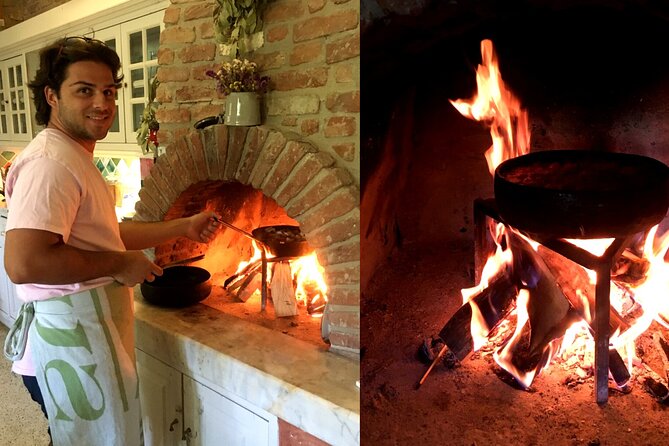
This day mixes two very different energies: archaeological walking followed by hands-on cooking and a seated meal. That mix is fun, but it also means you should plan for a shift in physical tempo.
In Ephesus, expect standing and moving between stops. In Çamlık, expect active prep work—chopping, assembling, and cooking with guidance—plus an outdoor lunch time that’s meant for chatting, not just eating and racing.
If you’re traveling with multiple ages, this pacing often works well because:
- Ephesus has fixed stops (so you’re not wandering endlessly)
- Çamlık provides a comfortable break with food and conversation
- Selçuk finishes the day with a short, lighter stroll
Still, if anyone in your group struggles with uneven surfaces or long periods on their feet, it’s smart to let the guide know early so they can help with pacing.
Who Should Book This Private Ephesus Tour With Cooking Class
This is a good fit if you:
- want Ephesus with context, not just a route through monuments
- love Turkish food and want a real cooking experience, not a passive tasting
- prefer private transportation and a small, controlled day plan
- travel with family groups spanning a wider age range
You’ll also like it if you enjoy craft moments in Selçuk and don’t mind browsing for textiles or pottery along the way.
If you’re only interested in staying strictly inside ancient ruins all day, the cooking portion may feel like a detour. But if you like variety—history, food, and a bit of local craft—this blends them in a way that keeps the day moving.
Should You Book It?
Yes—if you want an efficient, meaningful Ephesus visit paired with a hands-on Turkish cooking class in the countryside, this tour is a strong choice. The combination of private transport, a guide who can explain daily life and Roman food culture, and a lunch you helped make is the kind of value that’s hard to replicate on your own.
Book with a bit of budgeting realism for entrance fees. Ephesus is not free, and Terrace Houses is an optional add-on if you want that extra layer.
If you’re excited about cooking and you want your day to feel like you met people (not just visited sites), this one deserves a spot on your Turkey list.
FAQ
How long is the Private Ephesus Tour & Cooking Class?
The experience runs about 6 to 7 hours.
Where is the meeting point, and is pickup included?
Meeting starts at Ege PortsCamikebir, Liman Cd. No:10, 09400 Kuşadası/Aydın, Türkiye. Pickup is offered, with pickup at the exit of the cruise terminal.
What entrance fees are not included?
You’ll pay the Ancient City of Ephesus admission fee (listed as €40 per person). Terrace Houses admission is also not included (listed as €15 per person).
What is included in the cooking class and lunch?
The tour includes a hands-on cooking class in a boutique local guesthouse and lunch.
Is the tour offered in English?
Yes, it’s offered in English.
How long is the stop in Selçuk?
Selçuk is about 20 minutes, with a short look at old town and historical landmarks and local art workshops.