REVIEW · EPHESUS TOURS
Ephesus Ancient City Highlight Tour For Cruisers
Book on GetYourGuide →Operated by Moira Travel Agency · Bookable on GetYourGuide
Cruise day history hits fast. This Ephesus Highlight Tour strings together UNESCO Ephesus, the Virgin Mary House, and the Temple of Artemis in just 4 to 4.5 hours.
I especially like how easy it is to meet your guide at the port (name sign ready), and I like the way the licensed local guide turns big ruins into a story you can follow.
One thing to keep in mind: this tour involves walking on uneven ancient ground, and it is not suitable for people with mobility impairments. Also, entrance fees are not included, so you’ll want a little cash ready for the sites.
In This Review
- Quick hits you can use right away
- Meeting your guide at the cruise port with a name sign
- Virgin Mary House: quiet devotion on a hill (and a shared faith site)
- Selcuk photo stop and shopping time: useful downtime, not filler
- Ephesus Ancient City in 2 hours: what you’ll actually remember
- Basilica of Saint John the Apostle: the Justinian-era ruin stop that adds depth
- Temple of Artemis: a Seven Wonders moment, right next to Ephesus
- Price and what you’re getting for $22 per person
- Pacing, group feel, and the guides who make it click
- What to bring, what’s not allowed, and how to avoid awkward moments
- Who this cruise-to-Ephesus tour fits best
- Should you book this Ephesus Highlight Tour?
- FAQ
- How long is the Ephesus Ancient City Highlight Tour for cruisers?
- How much does the tour cost?
- Where do I meet the guide at the cruise port?
- What pickup locations are available?
- What will I see during the tour?
- Are entrance fees included?
- Is the ticket line skipped?
- What languages are the live guides?
- What should I bring, and what is not allowed?
- Is the tour suitable for people with mobility impairments?
- What is the cancellation policy?
Quick hits you can use right away
- Port pickup is simple: your guide waits at the cruise exit gate next to the Information Desk with a name sign.
- Skip the ticket line (so your time stays on the ground, not in queues).
- Ephesus in about 2 hours: the big anchors are covered without feeling rushed.
- Virgin Mary House is a moving stop: Muslim and Catholic site cared for by Lazarist Fathers, with mass every day.
- Shopping stops are built in (Selcuk and Kusadasi), with time for photos and quick local browsing.
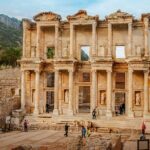
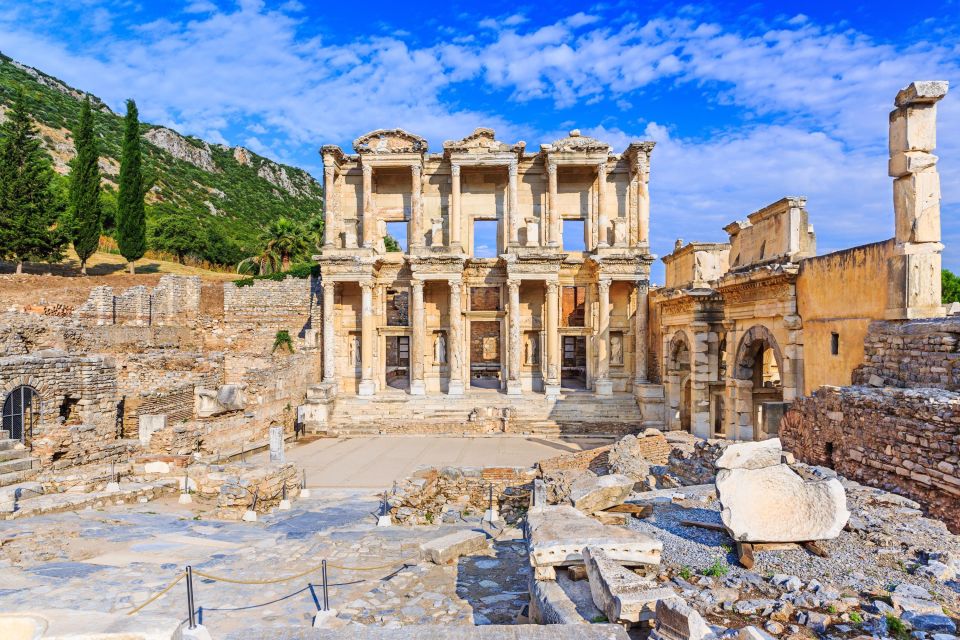
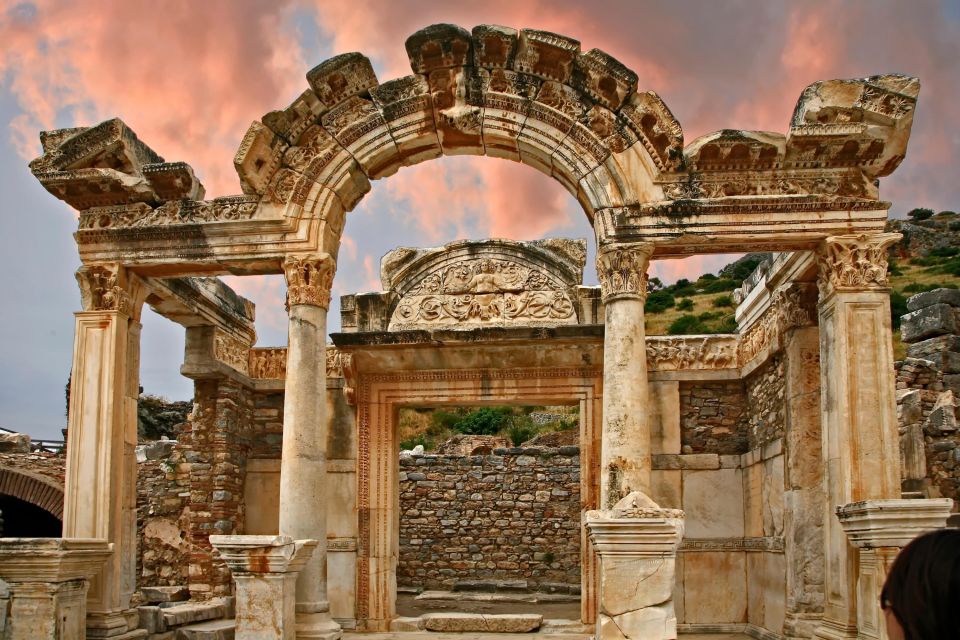
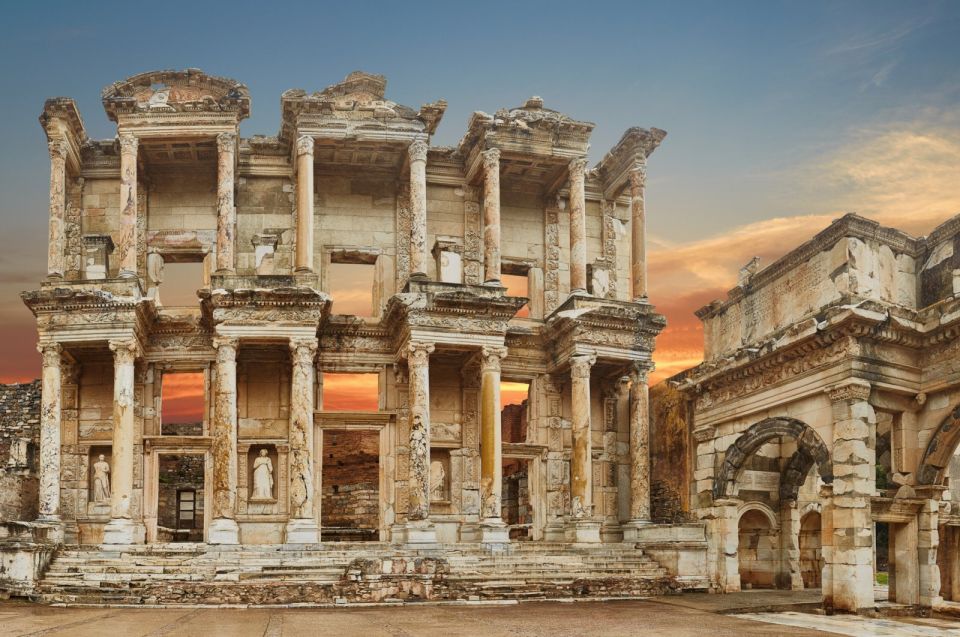
- Even with a short day, you still see the big names: Celsus Library, Temple of Hadrian, Trajan’s fountain, and the theater.
Meeting your guide at the cruise port with a name sign
If you’re cruising into Kusadasi, the hardest part is often logistics. This tour makes it refreshingly straightforward. You meet your team at the cruise port exit gate, right by the Information Desk, and they hold a sign with your name.
Pickup is offered from a few cruise-friendly points: Feribot İskelesi, Port Kusadas, or Feribot Limanı. Drop-off returns you to one of those same locations, which matters when you’re working on a strict ship schedule.
Also note the small but important detail: the order can shift to avoid congestion. That’s not just trivia. In Ephesus, timing affects crowd flow, shade, and how easily you can stop for photos without feeling like you’re being herded.
You can also read our reviews of more city tours in Kusadasi
Virgin Mary House: quiet devotion on a hill (and a shared faith site)
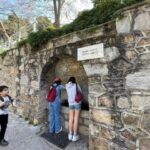
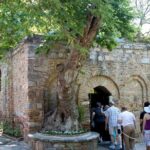
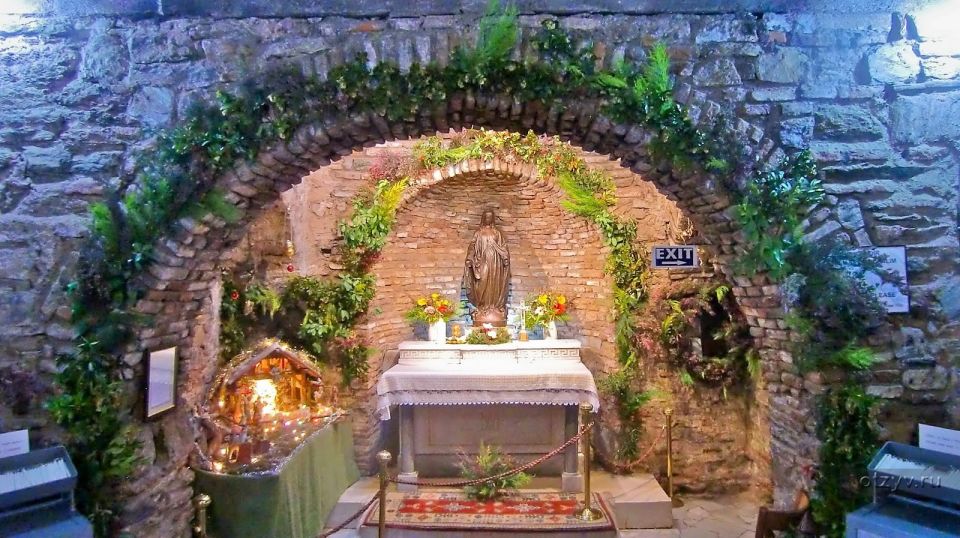
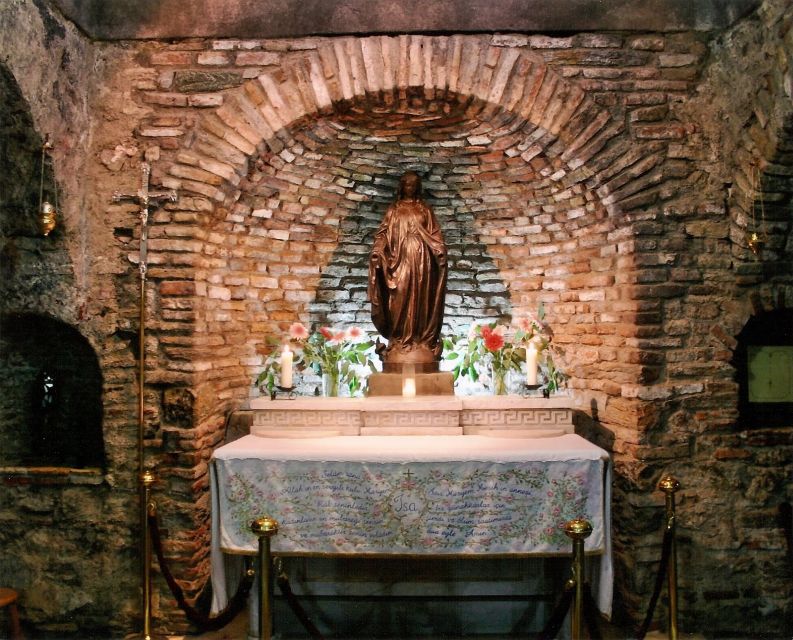
The day starts with a drive to the House of the Virgin Mary, and it sets a different tone than the ancient ruins. The story here is specific: Lazarist priests discovered the house after a German nun described the house and the mountain as the Virgin Mary’s last residence following her visions.
Today, it’s cared for by Lazarist Fathers and is both Muslim and Catholic in practice. Mass is celebrated every day, which gives the site a living, spiritual rhythm rather than a purely historical one.
What you’ll likely notice on arrival is how the visit feels slower. Even with a guided program, this stop tends to encourage quiet attention—especially if you’re interested in how places of faith continue alongside tourism.
Practical tip: bring a camera (it’s allowed), but wear shoes you trust. Even on a short stop, paths can be uneven and you’ll want secure footing.
Selcuk photo stop and shopping time: useful downtime, not filler
Next comes Selcuk with a 30-minute block that usually includes a photo stop, a guided introduction, and time for sightseeing and shopping. This part of the tour is valuable for two reasons.
First, it helps you orient before Ephesus. Second, it gives you a chance to do quick, low-pressure browsing instead of spending your whole day only in museums.
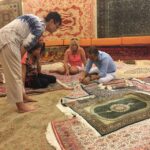
In the experience, shopping can be more than a hard sell. Some guides include time to step into local shops for small items—think Turkish delights or leather goods—plus a chance to watch something fun like a fashion-style presentation in-store. Even if you don’t buy much, it’s a quick way to connect the dots between the ruins and everyday local life.
If you’re the type who hates being rushed through shops, keep an eye on the time. This is short on purpose, so you get a taste without losing the main sites.
Ephesus Ancient City in 2 hours: what you’ll actually remember
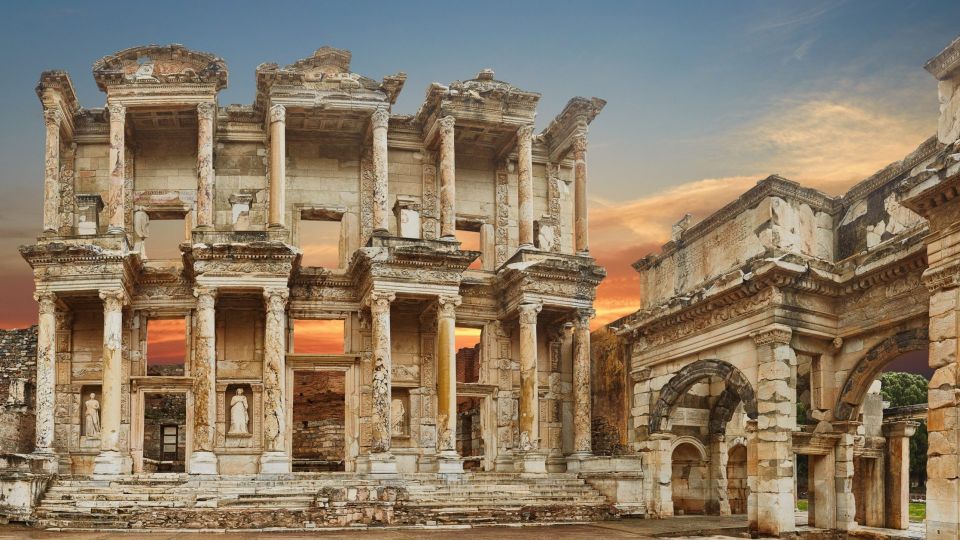
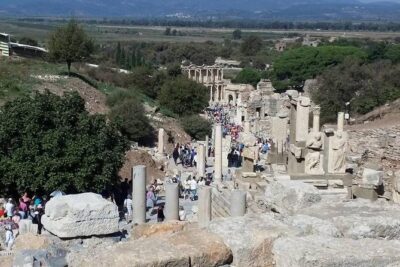
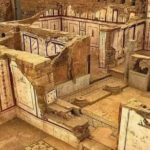
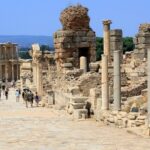
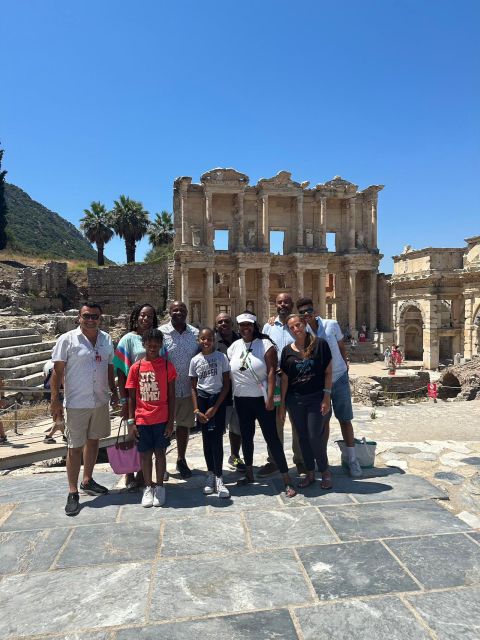
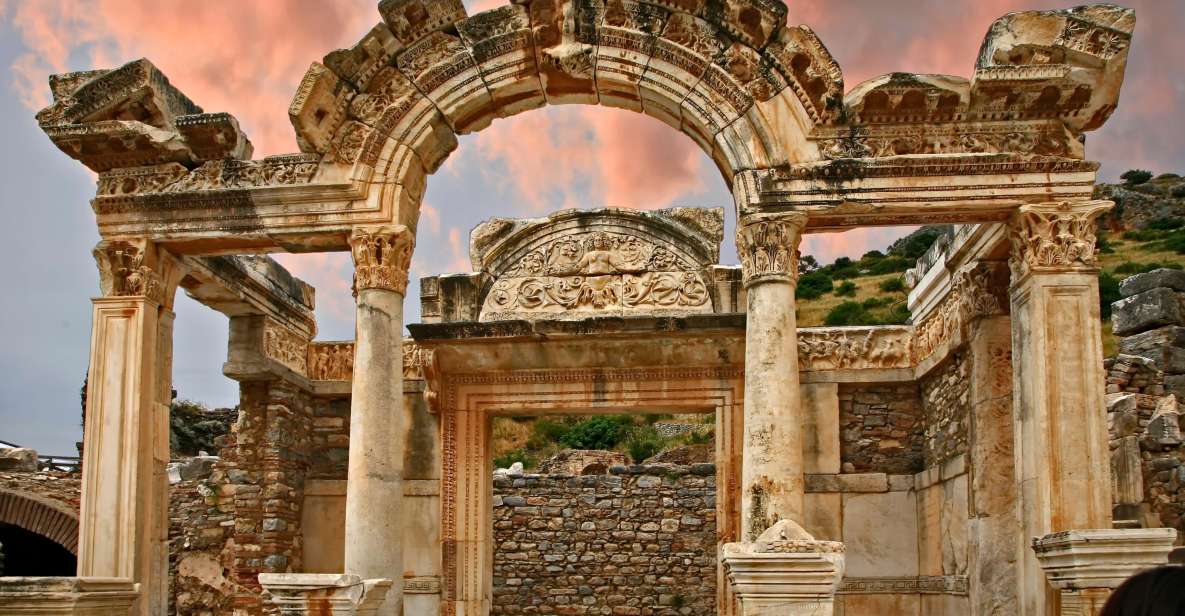
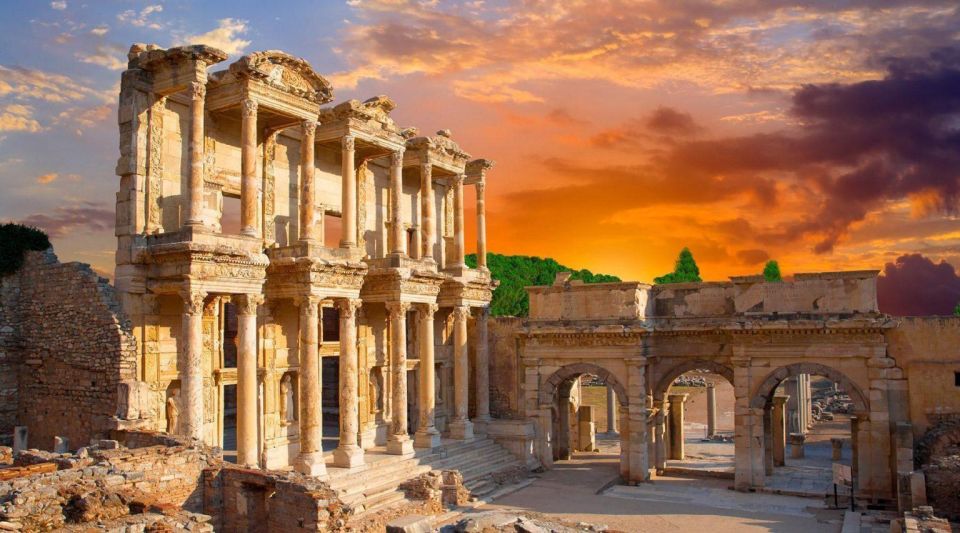
Your highlight within the highlight is Ephesus Ancient City, with about 2 hours for photo stops, a guided tour, and walking through the core ruins. Ephesus was one of the most important harbor cities in the ancient world, and it also shows up in the book of Revelations as one of the seven churches.
The big sites you’ll see are the kind that make Ephesus feel real instead of just impressive on paper:
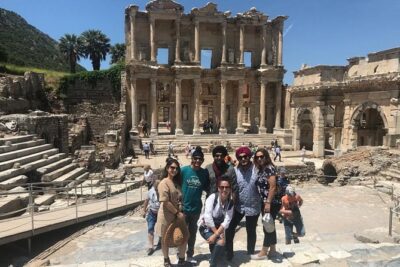
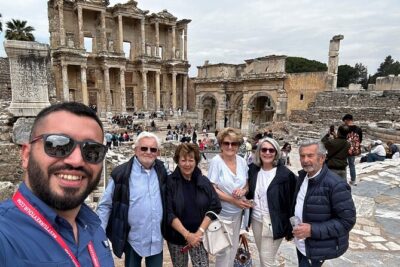
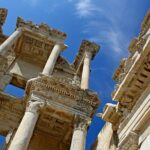
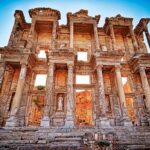
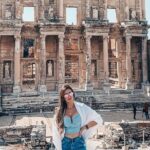
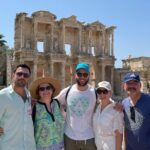
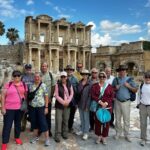
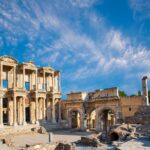
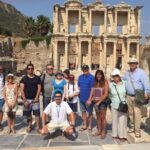
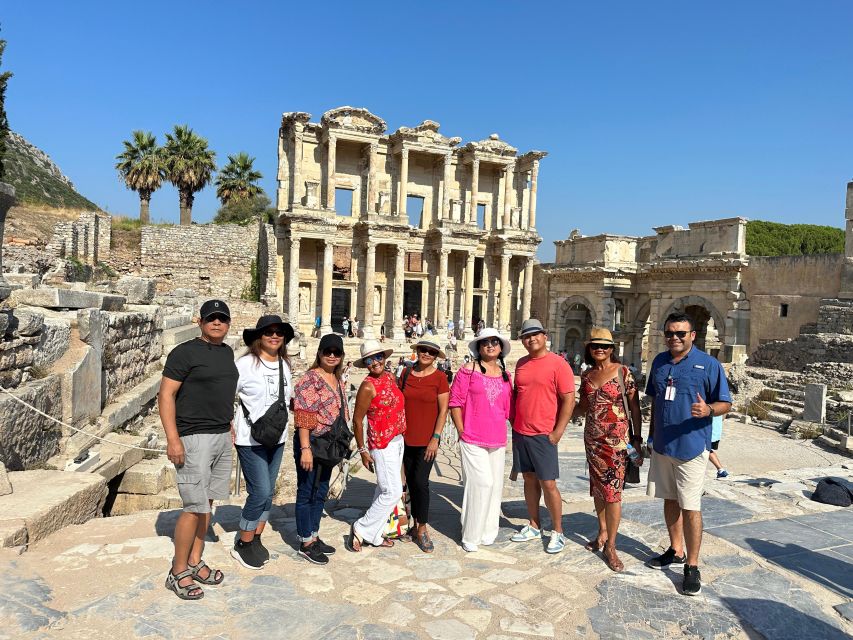
- Celsus Library: one of the most iconic facades from the ancient world, instantly recognizable once you’re there.
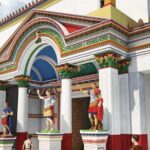
- Temple of Hadrian: an anchor stop that shows you what state power and worship looked like in stone.
- Fountain of Trajan: practical and symbolic at the same time—water as infrastructure and as ceremony.
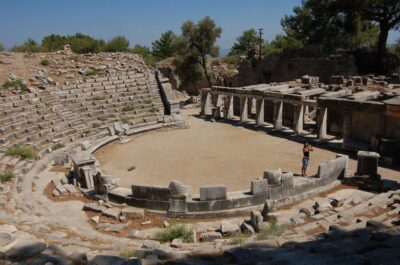
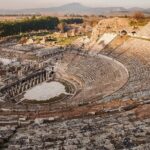
- The theater: where the scale of Ephesus becomes obvious fast.
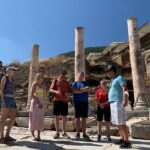
The guide is what ties it together. In past experiences on this tour, guides like Kaya, Memo, Esen, or Kunce are highlighted for being attentive and for giving stories with enough context that the ruins stop feeling like random blocks. On a day like this, that difference is huge.
One small strategic benefit: because the itinerary order can vary, you may get a route that makes the walking feel easier. In at least one case, the pacing is set up so you walk down rather than up, which can make the day feel smoother when there’s crowding.
Basilica of Saint John the Apostle: the Justinian-era ruin stop that adds depth
A stop that often gets overlooked by people who only chase the most famous Roman sites is the Basilica of Saint John the Apostle in Selcuk. This is a ruined church believed to have been built on the site of the apostle’s tomb, and it’s described as one of the most important pilgrimage destinations in the region.
The details matter here:
- It was built by Emperor Justinian in the 6th century AD.
- It was destroyed by an earthquake in the 14th century.
- The remaining ruins still look impressive.
Why this stop works: it places Ephesus in a longer timeline. You’re not just seeing a Greek and Roman port city. You’re also seeing how later faith communities shaped the landscape. That blend—ancient urban power plus spiritual memory—makes the whole region feel more layered.
If you’re religious, this stop may feel quietly important. If you’re not, it still helps you understand why the area stayed meaningful long after the harbor city era.
Temple of Artemis: a Seven Wonders moment, right next to Ephesus
The final stop is the Temple of Artemis, one of the Seven Wonders of the Ancient World. It stands today next to Ephesus’s ancient city, which is a nice way to close the loop: you leave Ephesus with the feeling that you really did see the big names.
This isn’t a long stop—expect a walk and guided visit for about 30 minutes—so it’s best thought of as a focused finish. You’ll get time to take photos, look at the surroundings, and get the story behind why Artemis mattered so much in the ancient world.
My advice: arrive here with your shoes still feeling good and your energy still reasonably high. Artemis is the last anchor of the tour, so it’s where you’ll want the cleanest photos and the clearest attention.
Price and what you’re getting for $22 per person
At $22 per person, the value here is mostly about logistics and guide time.
Included:
- Professional licensed local tour guide
- Transportation
Not included:
- Your own expenses
- Drinks during the tour and lunch
- Entrance fees for historical sites
So what does that mean in real terms? The tour price covers the human and transportation parts: getting you from the cruise port to the key sites and keeping you moving with interpretation along the way. Entrance fees are the only major extra you’ll likely pay on site. If you budget for those upfront, the total cost stays predictable.
Also, the tour offers a skip the ticket line benefit. On a cruise schedule, that’s not a small thing. It’s time you get back to spend on walking, photos, and enjoying the sights while you’re still fresh.
If you prefer to travel light, plan for it:
- Bring your own water.
- Keep an eye on shade, especially if your cruise stop is warm.
Pacing, group feel, and the guides who make it click
This tour is designed to cover the major anchors without dragging. The whole experience lasts 4 to 4.5 hours, and the stops are shaped around short windows: photo time, a guided pass, then a set amount of walking.
That pacing is why people tend to rate it highly. One reason shows up repeatedly: guides are friendly and adjust to what you care about. If your group is more history-forward, the guide can emphasize the monuments and timelines. If you’re more photo and mood focused, you often get room to pause.
Guide names mentioned in past experiences include Memo, Kaya, Tijen Oral, Esen, and Kunce. You can’t pick your guide from the details provided, but it’s a good sign that multiple guides have been part of the operation and the tone stays consistent.
A neat bonus: some guides share a bit of local culture beyond the ruins. In one example, a guide shared a local recipe you could try later at home. Even if you don’t get that exact extra, it points to how the tour can feel like a local guide day rather than a scripted slideshow.
What to bring, what’s not allowed, and how to avoid awkward moments
This is a practical ruins-and-roads day. Bring:
- Comfortable shoes
- Camera
Not allowed:
- Tripods
Tripods matter because they can slow groups down and block sight lines. If you’re serious about photography, consider a compact setup instead of a tripod so you’re not forced to sit out parts of the experience.
Also, watch your step. Ancient stone is ancient stone—uneven, worn, and sometimes slippery depending on the surface and weather.
One more reality check: this tour is not suitable for people with mobility impairments. If that affects you or someone in your party, it’s better to look for a different format with less walking.
Who this cruise-to-Ephesus tour fits best
This is a strong choice if you:
- Are on a cruise schedule and want the big Ephesus sights without a full day commitment
- Like a guided route that explains what you’re looking at, especially at Celsus Library, the theater, and the Temple of Artemis
- Want a day that includes both ancient monuments and a spiritually significant site like the Virgin Mary House
It’s less ideal if you:
- Need minimal walking or step-free access
- Want a long, unhurried museum-style visit (this tour is structured for efficient coverage)
Should you book this Ephesus Highlight Tour?
If you’re arriving by cruise and your time is tight, I think this one makes sense. The combination is smart: Virgin Mary House for atmosphere, Ephesus for the big ruins, and Artemis for the Seven Wonders finish. Add in the port meeting system and skip-the-ticket-line benefit, and the day feels built for “see a lot without chaos.”
I’d especially book it if you value an interpretation-led guide. The site list is strong, but the difference is how clearly the story lands while you’re walking from place to place. Many named guides associated with this tour come across as attentive and able to shape the visit around what your group wants.
Just plan for the missing extras: entrance fees, and you’ll want your own drinks and snacks strategy since drinks during the tour and lunch aren’t included. Budget a little for that, and you’ll avoid the stressful scramble.
FAQ
How long is the Ephesus Ancient City Highlight Tour for cruisers?
The tour runs about 4 to 4.5 hours.
How much does the tour cost?
The price is listed as $22 per person.
Where do I meet the guide at the cruise port?
The team meets you at the Cruise Port next to the Information Desk at the Exit Gate, holding a sign with your name.
What pickup locations are available?
Pickup can be from Feribot İskelesi, Port Kusadas Turkey, or Feribot Limanı.
What will I see during the tour?
You’ll visit Ephesus Ancient City highlights, the House of the Virgin Mary, and the Temple of Artemis. The tour also includes a Selcuk stop and mentions the Basilica of Saint John the Apostle in Selcuk.
Are entrance fees included?
No. Entrance fees for historical sites are not included.
Is the ticket line skipped?
Yes, the tour includes skipping the ticket line.
What languages are the live guides?
The live guide is available in French, German, Spanish, and English.
What should I bring, and what is not allowed?
Bring comfortable shoes and a camera. Tripods are not allowed.
Is the tour suitable for people with mobility impairments?
No, it is not suitable for people with mobility impairments.
What is the cancellation policy?
You can cancel up to 24 hours in advance for a full refund.