REVIEW · PAMUKKALE & HIERAPOLIS TOURS
From Kusadasi and Selcuk: Pamukkale and Hiearapolis Tour
Book on GetYourGuide →Operated by Castle Travel · Bookable on GetYourGuide
White terraces and ancient gates in one day. This UNESCO Pamukkale and Hierapolis tour from Kuşadası and Selçuk is a long day with the payoff of warm-water history plus a real small-group guide who keeps the stops moving. I love how you get the big visuals and the on-the-ground context, with English commentary that makes Roman baths, gates, and tombs feel real.
My second favorite part is the hands-on time at the Sacred Pool and the calcium terraces, where you can add a swim and even try snorkeling during the free time. The only caution is time: the day is built around roughly 3 hours of driving each way, and Pamukkale can get crowded and feel a bit rushed, especially if the water level isn’t full everywhere.
In This Review
- Key highlights you’ll actually care about
- Pamukkale and Hierapolis: the UNESCO combo that makes this tour worthwhile
- The 10.5-hour pace from Kuşadası and Selçuk (and how the drive affects your day)
- Hierapolis on foot: Necropolis, gates, and the Roman Bath run-through
- Warm water terraces and the Sacred Pool: what to expect before you swim
- Pamukkale’s cotton castles and the Antique Pool decision (Cleopatra Pool costs extra)
- Photo strategy for Pamukkale: getting the shots without losing time
- Lunch, comfort, and why the small group matters on a long day
- What to pack (so Pamukkale feels fun, not annoying)
- Who should book this tour, and who should skip it
- Should you book this Pamukkale and Hierapolis day tour?
- FAQ
- How long is the Pamukkale and Hierapolis tour?
- What does the tour cost?
- Is there an English guide?
- What does the price include?
- What is not included?
- Will I have time to swim or snorkel?
- How big is the group?
- Where are pickup and drop-off?
- Is the tour wheelchair accessible?
- What should I bring, and what’s not allowed?
- Is cancellation free if plans change?
Key highlights you’ll actually care about
- Small group (max 14) means a calmer rhythm and easier photo pauses.
- UNESCO Pamukkale & Hierapolis combines ancient ruins with the famous white calcium terraces.
- Guided English narration helps you connect what you see: necropolis, gates, baths, and water.
- Warm-water swimming is a real focus, not just a walk-by.
- Free time at both sites lets you move at your own pace instead of sprinting.
- Cleopatra’s Antique Pool costs extra (6 Euro), so plan your budget if you want it.
Pamukkale and Hierapolis: the UNESCO combo that makes this tour worthwhile
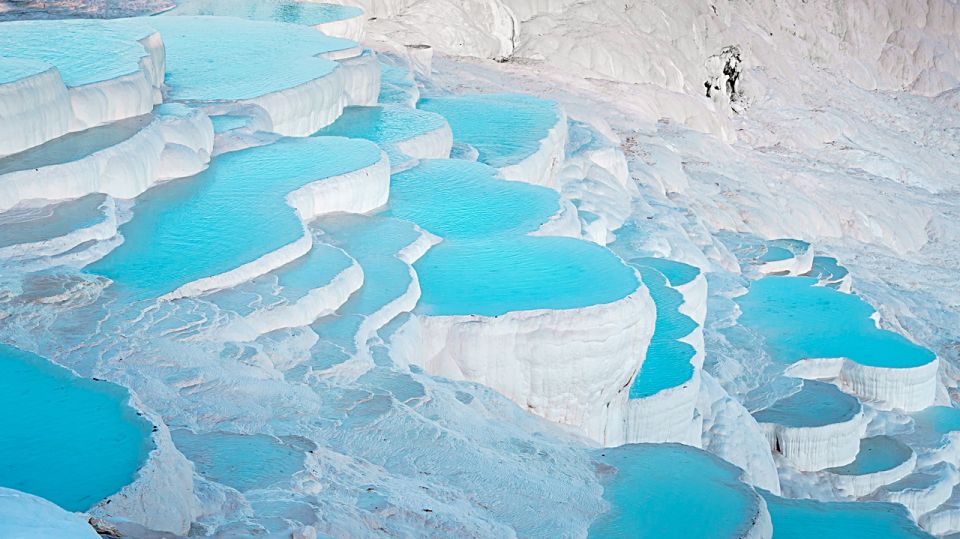
Pamukkale and Hierapolis are the kind of UNESCO sites that hit two different buttons at once. You get the ancient city layers—cemetery, gates, baths—and then you step into the surreal world of white terraces made by mineral water over time. It’s a rare pairing, and that’s the main reason this tour works as a single day out of Kuşadası or Selçuk.
I also like the way the day is structured. You’re not just dropped off. You’re guided through Hierapolis first, then you shift to Pamukkale when the water-and-minerals vibe takes over. That order matters. After you’ve seen Roman and Byzantine features in Hierapolis, the calcium terraces feel even more mind-blowing—like the geology and the empire are telling their stories side by side.
One more practical perk: you get admission fees included and a skip-the-ticket-line advantage. If you’re trying to squeeze a lot into 10.5 hours, saving time at ticket windows helps you spend that time on the terraces where it counts.
You can also read our reviews of more tours and experiences in Kusadasi.

The 10.5-hour pace from Kuşadası and Selçuk (and how the drive affects your day)
This is a long day by design. You’re looking at about 3 hours of driving out, with a couple of scheduled stops, then about 3 hours back in the late afternoon. That means you should treat the day like a full commitment, not a casual half-day.
Your ride is set up with a few breaks so people don’t feel trapped. Midway you’ll stop around Atça (about 30 minutes), then there’s a longer lunch stop (around 80 minutes) and a shorter photo break (around 20 minutes). The lunch stop isn’t just for eating; it also gives you a reset before the sites, which matters when you’ll be on your feet and possibly in swimwear later.
Also, pick-up options are built around the Kuşadası and Selçuk area, including locations in and near Kirazlı. If you’re staying outside the center, double-check you’re using the correct pick-up point during booking, because the tour runs as one flowing schedule.
Bottom line: you’ll get to see a lot, but you’re not going to linger forever. Plan your expectations around two chunks of free time at the sites and an active schedule between them.
Hierapolis on foot: Necropolis, gates, and the Roman Bath run-through
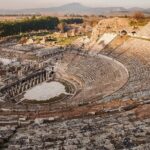
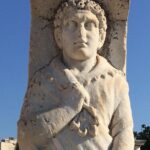
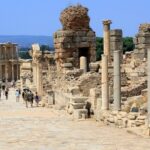
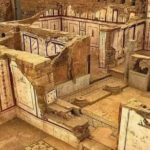
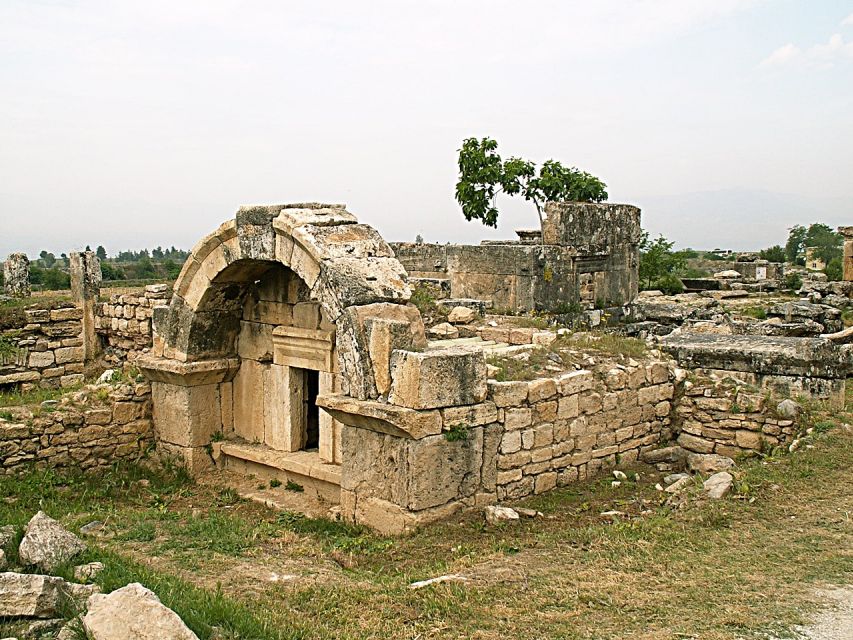
Hierapolis is the “walk it and read it” part of the day, and it’s where the tour’s storytelling earns its keep. You’ll start with the Necropolis, one of the biggest ancient cemeteries in Anatolia, with around 1,200 graves. It’s not just a field of tombs—it’s a window into how people in the Roman world marked status and memory.
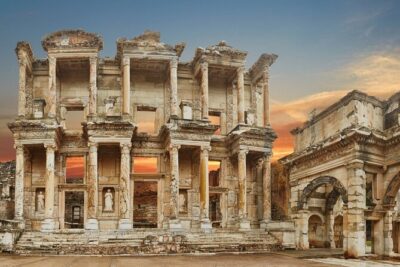
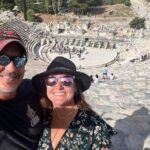
Then you move through standout structures such as the Roman Bath, the Domitian Gate, the Main Street, and the Byzantian Gate. With a good guide, these aren’t just names. You learn how they fit together spatially, and you start seeing the site like a map instead of isolated monuments.
A detail I paid attention to from guide feedback is the emphasis on explanation without overwhelming you. Guides such as Yetkin, Mustafa, Harun, Resit Yildirim, and Ali have been praised for English that stays clear and for being receptive to questions. You don’t want a lecture that bulldozes the experience—you want enough context to make the ruins meaningful, and that’s exactly what the guide style seems to aim for.
If you’re hoping for zero walking, this won’t be that. You’ll do a guided sweep and a short walk toward the natural warm terraces afterward, plus time to roam on your own. Comfortable shoes aren’t optional here.
Warm water terraces and the Sacred Pool: what to expect before you swim
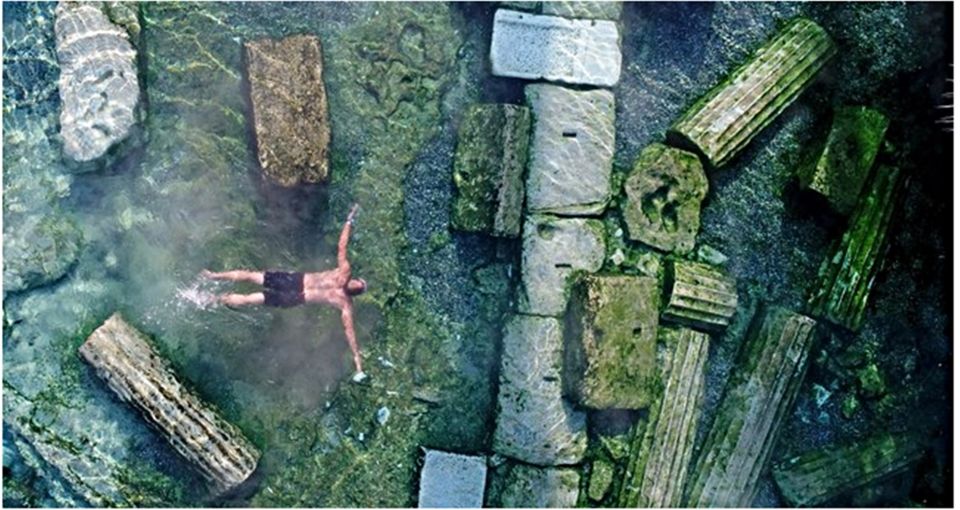
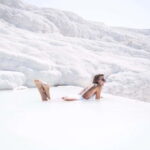
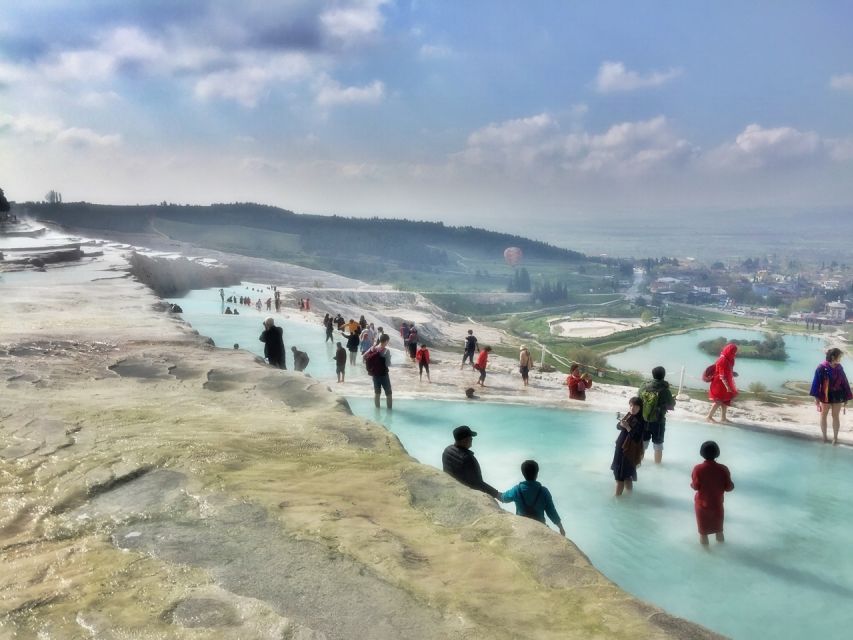
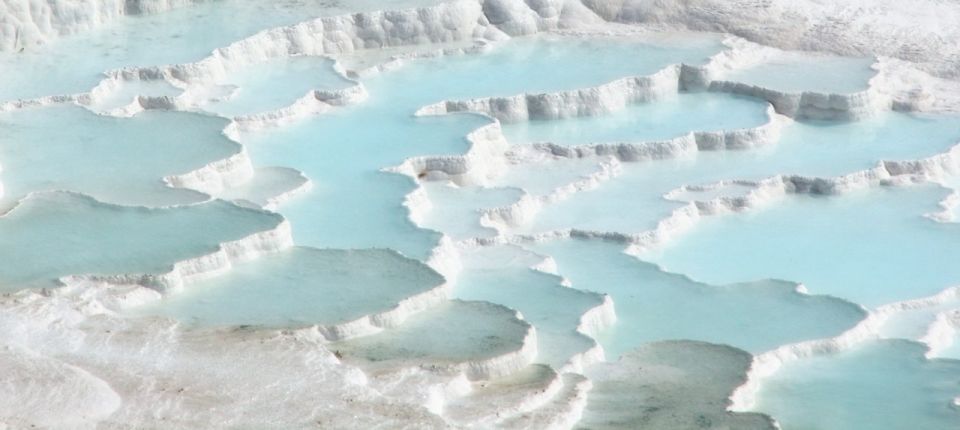
After Hierapolis, the tour shifts gears into the water world. The warm terraces are formed by running water rich in calcium. The site feels almost architectural—even though it’s geology doing the work.
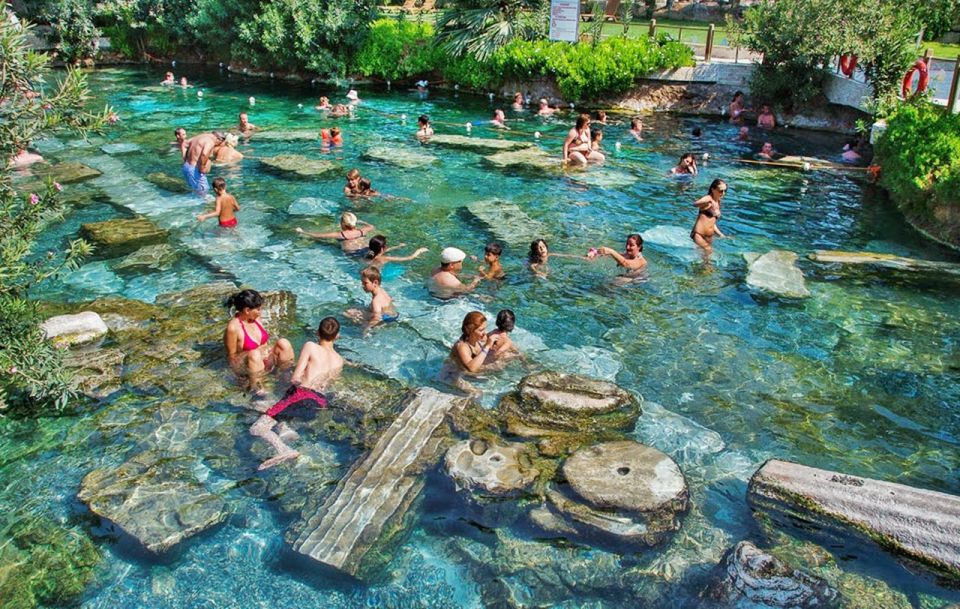
You’ll have time for sightseeing and walking, then the experience points you toward swimming at the Sacred Pool. The water is described as containing calcium bicarbonate, calcium sulfate, magnesium, and carbon dioxide, and it’s also said to have high levels of natural radioactivity. That’s the kind of fact a good guide will share plainly, along with practical advice for how to treat it respectfully.
Practical takeaway: when you go in, keep it simple. This isn’t a long spa session. You’re there for the feel of the warm, effervescent water and the novelty of a place built around minerals. Plan to dry off afterward, because that’s where the “let the minerals do their magic” instruction comes in.
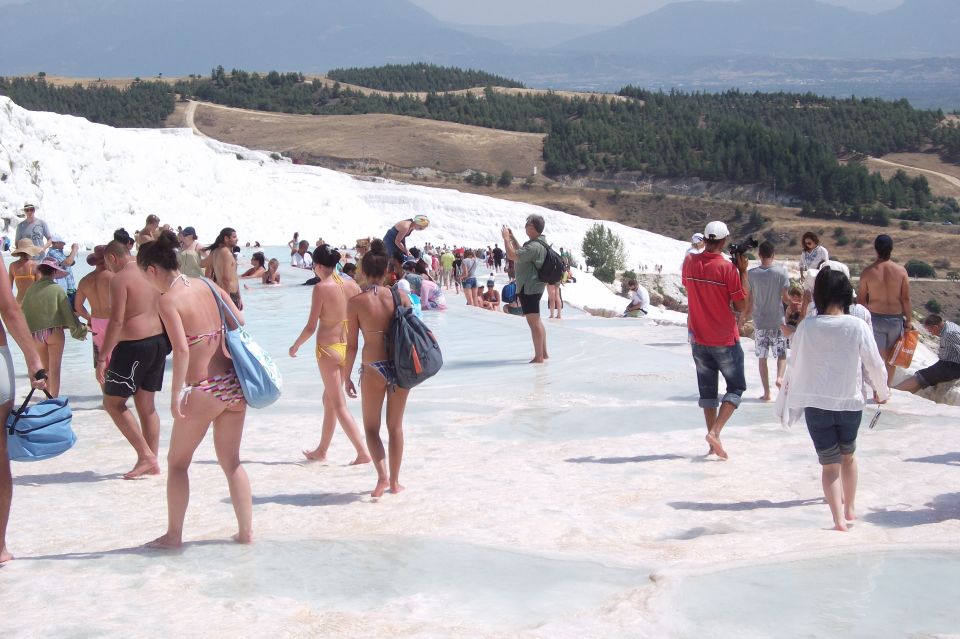
One more reality check: the terraced areas can get busy. It’s not always empty and quiet, and the timing of your swim moment matters. Go in with the mindset of enjoying the experience even if you’re sharing the pool area with other people snapping photos and taking short dips.
Pamukkale’s cotton castles and the Antique Pool decision (Cleopatra Pool costs extra)
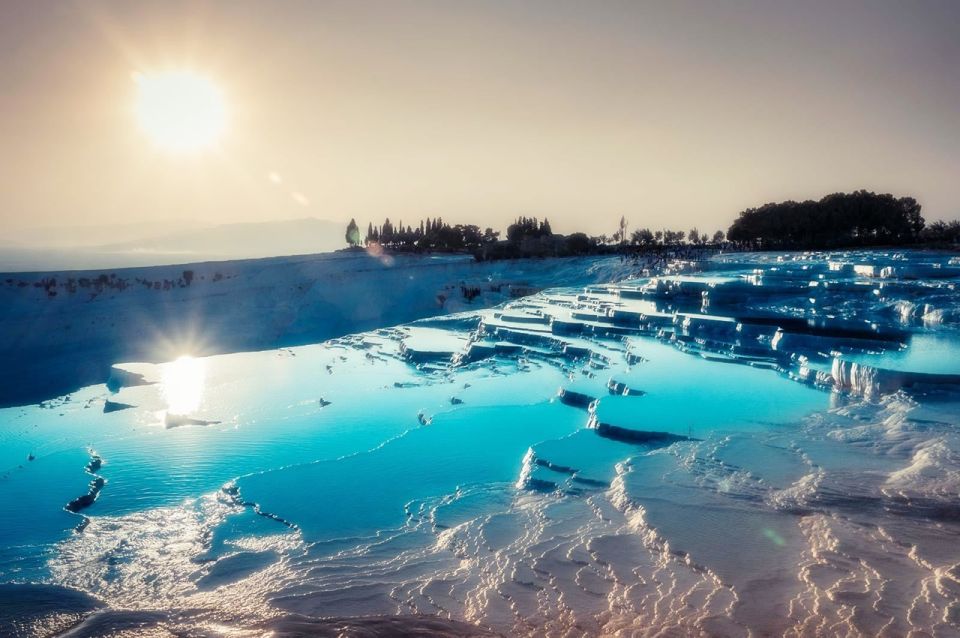
Pamukkale is where most people’s cameras start earning their keep. The white terraces—often compared to cotton—look unreal, especially when the light hits them just right. And you don’t just view them. You get free time to explore and enjoy the site at your own pace.
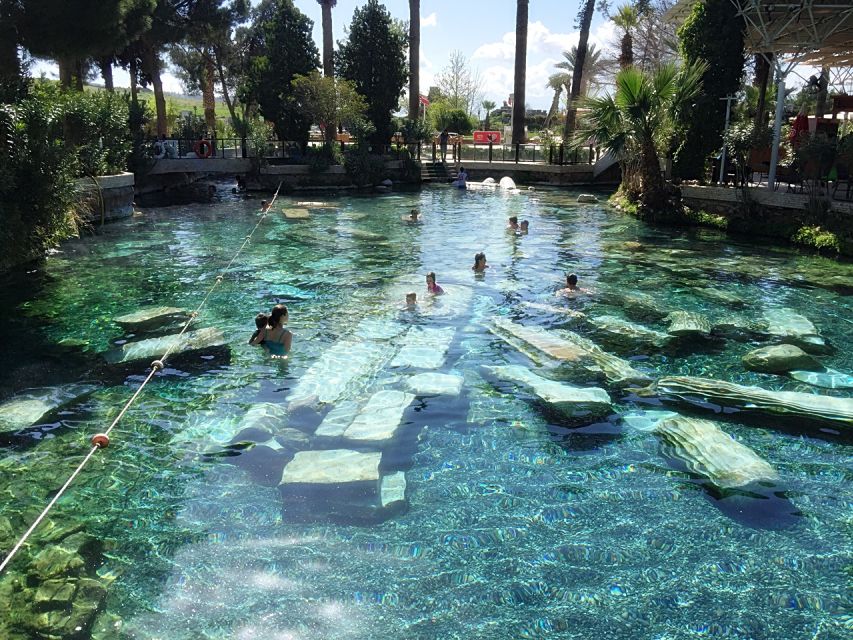
You’ll have around 2 hours at Pamukkale, which is enough to walk the terraces, pause for photos, and decide whether you want the extra swim experience. This is also where the tour gives you optional access to Cleopatra’s Antique Pool, which is not included in the base price. You’ll pay 6 Euro for that entry.
Here’s how I’d think about it for your budget. If you want the full Pamukkale story—the classic “Cleopatra Pool” moment—then you’ll probably want to pay the extra. If you’re more focused on terraced walking and a quick warm-water swim, you may feel like you already got your money’s worth without the Antique Pool add-on. Either way, you’ll still be in the same UNESCO setting and can spend your time where your interests are strongest.
Some practical notes based on day-to-day conditions: the water coverage can vary, and parts of the pools may be crowded. One person described only a small section having water and noted the crowding. That’s not something you can control, so adjust your expectations and focus on the terraces you can see and the swim time you can enjoy.

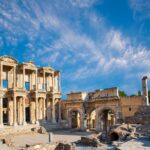
Photo strategy for Pamukkale: getting the shots without losing time
Pamukkale is a photo magnet, so planning beats luck. The terraces reward people who pause and look up and down the slopes, not just straight ahead. If you want stronger photos, use your free time wisely: take your walking shots early, then save your pool shots for when you’re ready to commit to the water moment.
Shoes matter here. You’ll be moving around on uneven, sometimes slick surfaces. Comfortable shoes help you keep your balance and spend energy on photos rather than recovering from slips.
Also, no gadgets like drones or tripods are allowed. That means you’ll be working with standard smartphone/camera setups and quick angles. If you love close-ups of the calcium textures, plan to be flexible. People gather in hotspots, so you’ll get better results by stepping a few minutes off the most obvious lines rather than fighting the densest spots.
A good guide also helps with timing advice—where to look, what to notice, and how the water and minerals have shaped what you’re seeing today. That’s a big reason this tour beats a self-guided scramble.
Lunch, comfort, and why the small group matters on a long day
The tour includes lunch, served at a stop that lasts about 80 minutes. Several people liked the buffet style because it gives you choice without turning lunch into a long production. After hours on the road and some walking, food breaks are more important than you’d think.
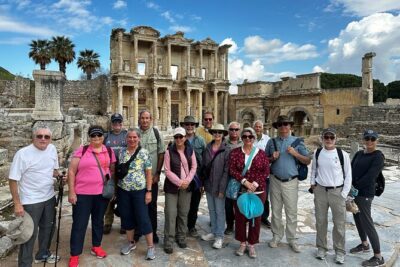
The transport itself is part of the experience, too. This is a small group limited to 14, and that changes the vibe. You’re not packed shoulder-to-shoulder. It’s easier to ask questions, and it feels more like a managed day trip than a cattle-car route.
Guide and driver performance also show up in the feedback. Guides like Yetkin, Mustafa, Harun, Ali, and Resit Yildirim have been praised for pacing, friendliness, and clarity. Drivers have also been described as excellent and safe, which matters when you’re riding hours over winding roads.
One thing to know: there may be shopping stops built into the schedule on some days. One person even mentioned an onyx factory stop on the return. Another suggested removing a shopping section as an improvement. If shopping isn’t your thing, plan your time and energy for the main sites first, and treat any workshop stop as a quick side note, not the core of your day.
What to pack (so Pamukkale feels fun, not annoying)
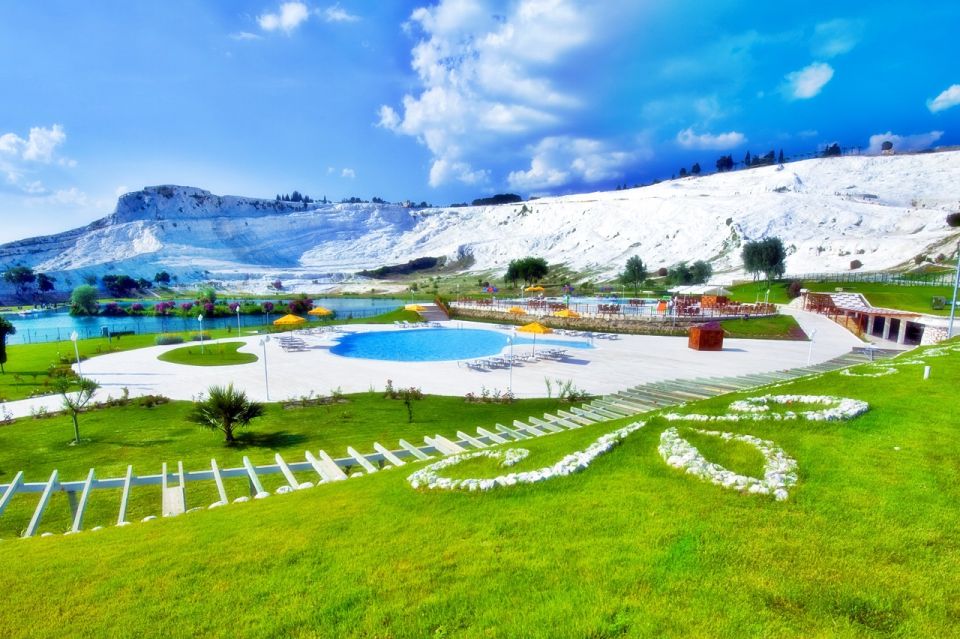
This day is part ruins, part water, part sun. Pack accordingly:
- Comfortable shoes for uneven terrain
- Swimwear + towel (you’ll thank yourself at the pool time)
- Sunglasses and sun hat
- Sunscreen and beachwear
- If you’re serious about photos, bring your usual camera setup, but remember: no drones and no tripods
A useful heads-up from real-world experience: someone regretted not having swimwear for the Antique Pool. That’s the kind of mistake that ruins an otherwise great day because you lose the option at the exact moment you want it.
If you’re not planning to swim, still bring the towel. Even a short dip or warm-water touch can make you wet, and drying off keeps you comfortable on the walk afterward.
Who should book this tour, and who should skip it
This works best if you want a guided UNESCO day that combines ancient ruins + mineral-water swimming without doing logistics yourself. The small-group size helps if you like having time to ask questions and also roam during free time.
It may not suit you if you have medical limitations. It’s listed as not suitable for:
- People with back problems
- People with respiratory issues
- People with pre-existing medical conditions
- People with recent surgeries
Even if you’re generally fine, you should think carefully about the physical demands: walking in a hot setting, uneven ground, and the option of swimming.
Should you book this Pamukkale and Hierapolis day tour?
If you’re basing your trip in Kuşadası or Selçuk and you want the headline UNESCO highlights in one day, I’d book it—especially because admission, lunch, and guided narration are included, and the group stays small.
Do book with eyes open. The driving time is real, and Pamukkale can get crowded. If you hate time limits, this might feel like you’re moving too fast. If you love the idea of stepping into the warm terraces, learning what you’re looking at in English, and getting meaningful free time to roam, this is a strong fit.
Also decide early whether the 6 Euro Cleopatra’s Antique Pool add-on is worth it for you. If it is, bring swimwear and plan your budget. If not, you can still enjoy Pamukkale without it, focusing your time on the terraces and the main pools.
FAQ
How long is the Pamukkale and Hierapolis tour?
The total duration is 10.5 hours.
What does the tour cost?
It’s priced at $118 per person.
Is there an English guide?
Yes. The tour includes live tour commentary in English.
What does the price include?
Included are the guided tour of Pamukkale and Hierapolis, admission fees, lunch, and roundtrip transportation to and from most hotels in the Kusadasi and Selçuk area.
What is not included?
Drinks are not included, and Cleopatra’s Antique Pool entry costs an additional 6 Euro.
Will I have time to swim or snorkel?
Yes. The experience includes time for sightseeing plus swimming and snorkeling opportunities, including a swim option at the Antique Pool of Pamukkale.
How big is the group?
It’s a small group limited to 14 participants.
Where are pickup and drop-off?
Pickup is offered from multiple locations in the Kuşadası and Selçuk area, and drop-off is provided at four locations including Kuşadası, Selçuk, and Kirazlı.
Is the tour wheelchair accessible?
Yes, wheelchair accessibility is listed as available.
What should I bring, and what’s not allowed?
Bring comfortable shoes, sunglasses, a sun hat, swimwear, a towel, sunscreen, and beachwear. Drones and tripods are not allowed.
Is cancellation free if plans change?
Yes. You can cancel up to 24 hours in advance for a full refund.