REVIEW · EPHESUS TOURS
Kusadasi: Ephesus and Artemis Skip-the-line Small Group Tour
Book on GetYourGuide →Operated by Ephesus Shuttle Private and Small group · Bookable on GetYourGuide
Ephesus in four hours feels like a cheat code. You get the magic of skip-the-line entry and a small-group pace (up to 16 people), so the day doesn’t turn into a loud shuffle. I like how the tour pairs top-photo monuments like the Library of Celsus with the Temple of Artemis, one of the Seven Wonders.
The biggest thing to consider is the physical side: you’ll walk about 1 mile (1.5 km) and there are steps, so this isn’t a great fit if you find that challenging. The tour also isn’t recommended for pregnant women or people with mobility impairments.
In This Review
- Key highlights worth your time
- Kusadasi Port Pickup: the smooth start that makes the tour work
- The drive to Ephesus: quick enough to feel like a real trip
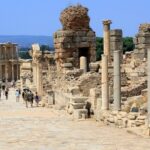
- Ephesus on foot: marble streets and the buildings you’ll remember
- Baths of Scholastica: the kind of ruin that tells daily-life stories
- Library of Celsus: the earthquake-fire combo that still leaves a façade
- Temple of Hadrian’s colonnade: Roman power, set in stone
- Grand Theater: 24,000 people and real spectacle
- Temple of Artemis: a quick stop that still connects you to Seven Wonders lore
- Skip-the-line reality: saving time, not skipping the experience
- Small group pace: why it feels calmer at crowded ruins
- Artisan stops: the question isn’t if you’ll see shops, but how you’ll handle them
- Price and value: $29 plus what you still need to plan for
- Walking, steps, and who should choose a different day
- When this tour is a great fit (and when it isn’t)
- Should you book this Kusadasi Ephesus and Artemis skip-the-line tour?
- FAQ
- FAQ
- How long is the Kusadasi Ephesus and Artemis tour?
- Where do cruise passengers meet for pickup?
- How big is the group?
- Does the tour include skip-the-line entry?
- Are entrance fees included in the price?
- How much walking is involved?
- Is the tour in English, and who might not be able to join?
- Can I cancel and get a full refund?
Key highlights worth your time
- Up to 16 people means you actually hear the guide at crowded spots
- Skip-the-line tickets are handled on the day, saving you the stand-around time
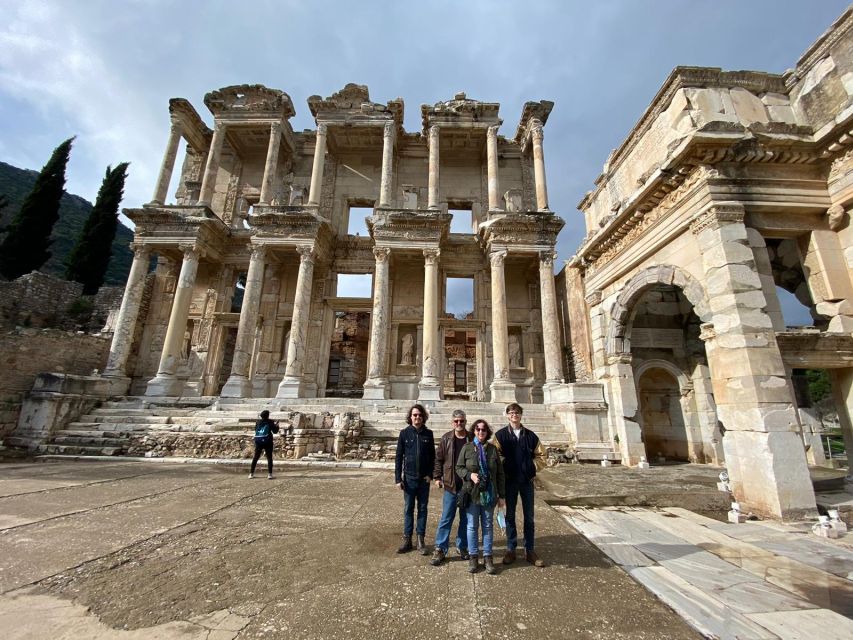
- Library of Celsus: that iconic façade shaped by earthquake damage and later fire
- Grand Theater: a 24,000-spectator Roman stage for plays, concerts, and gladiator shows
- Temple of Artemis: a short visit to the Artemis site with Seven Wonders context
- Pickup that’s built for cruise days, with staff meeting you near the Kusadasi Cruise Terminal
Kusadasi Port Pickup: the smooth start that makes the tour work
This tour is designed for shore-excursion timing. You start at Kusadasi Cruise Terminal (for cruisers) or at the lobby of select hotels (for listed hotel guests). There are several pickup options around town—like KoruMar Hotel De Luxe, Charisma De Luxe Hotel, DoubleTree by Hilton Hotel Kusadasi, and Feribot İskelesi—so it’s easier to match your exact location.
For cruise passengers, the meeting time usually lands about 30–45 minutes after your ship arrives, which is the practical window to beat crowd pressure. You walk only about 100 meters from your cruise to the meeting point, so you’re not stuck trekking across the port.
Why I like this setup: the best part of an Ephesus day is not just what you see—it’s avoiding wasted time. A well-timed pickup lets you spend more of your limited hours inside the ruins instead of waiting in lines or searching for your group.
You can also read our reviews of more tours and experiences in Kusadasi

The drive to Ephesus: quick enough to feel like a real trip
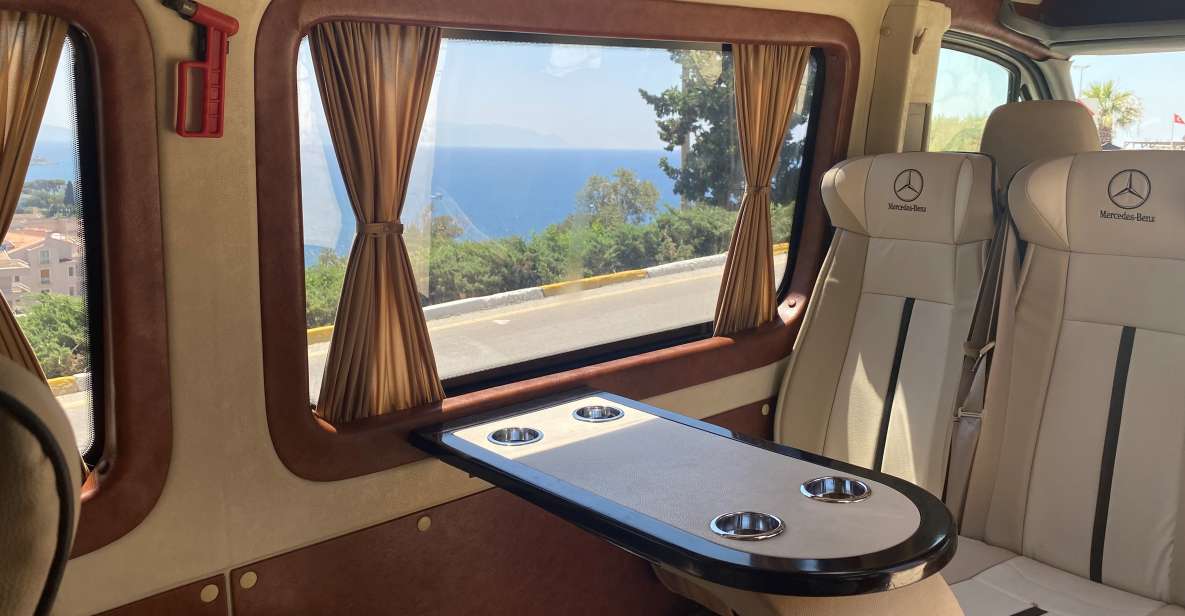
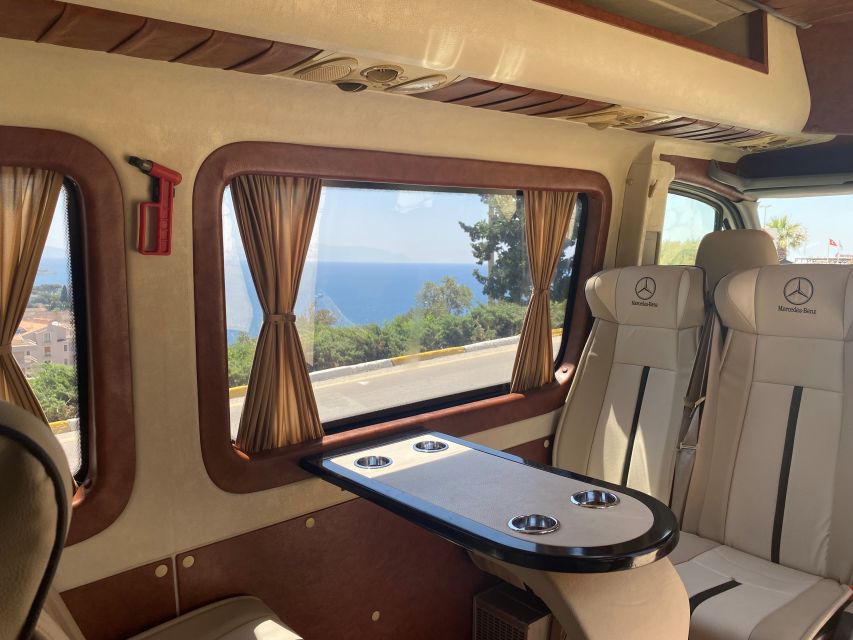
Once you’re gathered, you’ll ride in an air-conditioned vehicle to Ephesus, a drive of about 20 minutes. That matters because Ephesus is a big site, and your energy is precious. On a short tour, comfort on the way helps you arrive ready to walk and look closely.
The guide also sets the scene on the ride. Ephesus was one of the 12 cities of the Ionian League on the western coast of Asia Minor. It rose as a Greek colony, later became part of the Roman world, and its port helped it act like a major trade hub. That context keeps the ruins from feeling like random piles of stone.
Ephesus on foot: marble streets and the buildings you’ll remember
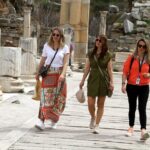
Ephesus is where the tour earns its name. You get a guided visit of about 2 hours, and you hit the most story-rich structures rather than trying to sprint through everything.
Baths of Scholastica: the kind of ruin that tells daily-life stories
Your walk begins with the Baths of Scholastica, a bathing complex dating to the 1st century. Even if you’re not a “bathhouse person,” this stop helps you understand how ancient city life revolved around public spaces. Think of it as a window into routine, not just politics or religion.
The tradeoff: because the tour is timed, this isn’t an all-day wander. You’ll see key remains and hear the meaning, but you won’t have time to obsess over every detail like a slower, self-guided trip might.
Library of Celsus: the earthquake-fire combo that still leaves a façade
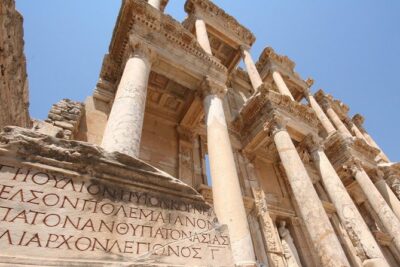
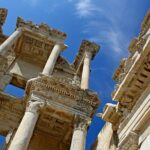
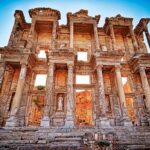
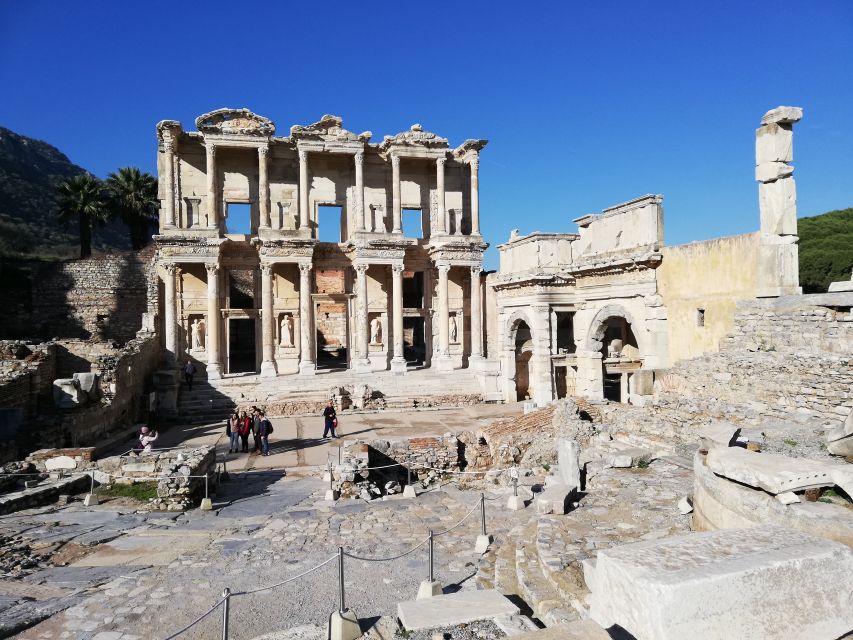
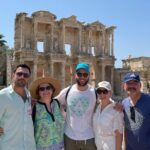
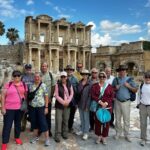
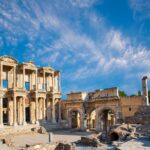
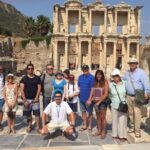
Then comes the star attraction: the Library of Celsus. This Roman structure became famous for its scale and role as a major library in the ancient world, but it suffered a rough fate. It was devastated by an earthquake and burned by invading Goths in the same year.
Here’s the practical value of that story: it explains why the façade is so striking. Even after disaster, that front remains—so you get a powerful “how this ended up like this” moment while you’re standing in front of one of Ephesus’s most recognizable images.


Temple of Hadrian’s colonnade: Roman power, set in stone
You’ll also admire the massive colonnade of the Temple of Hadrian. This is the kind of stop that makes the Roman influence feel real. Colonnades aren’t just decorative; they communicate prestige and public presence, and they frame how people moved through the space.
If you enjoy architecture and “reading” buildings, this stop gives you a lot to look at in a short time.
Grand Theater: 24,000 people and real spectacle
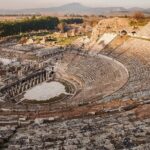
Next is the Grand Theater, a massive venue that once held 24,000 spectators. It wasn’t only for plays. Emperors and elites used the space for concerts and gladiatorial fights too.
In a short tour, this is an excellent anchor stop because the scale hits you immediately. You can stand in the right spot and feel how design controlled sound and movement.
One small drawback to expect: the short time means you’ll likely focus on the big-picture layout rather than going deep into every historical layer of the site.
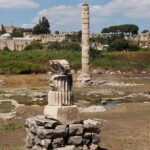
Temple of Artemis: a quick stop that still connects you to Seven Wonders lore
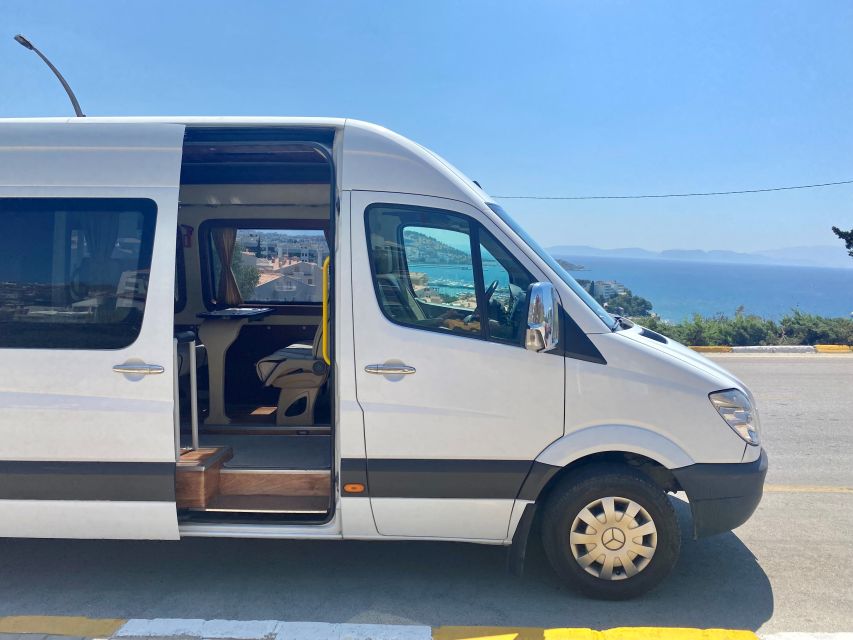
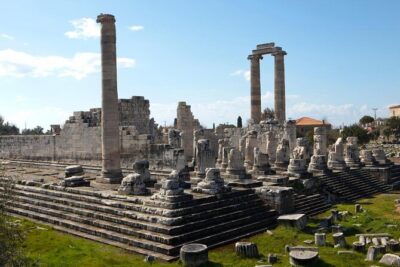
The tour includes a guided visit to the Temple of Artemis, with about 20 minutes at the stop. Yes, it’s short. But it’s also one of those “right stop, right context” moments, because Artemis is tied to the ancient Seven Wonders legend.
The site is dedicated to the ancient Greek goddess of the hunt, and in the past, pilgrims traveled from across the ancient world seeking her favor. Even if what remains today feels smaller than your imagination, the guide’s framing helps you understand why people once cared so much.
Practical note: because time is limited here too, it helps to set your mental goal before you arrive. Decide whether you want photos, a quick historical explanation, or a bit of both. You won’t have time to do everything slowly.
Skip-the-line reality: saving time, not skipping the experience
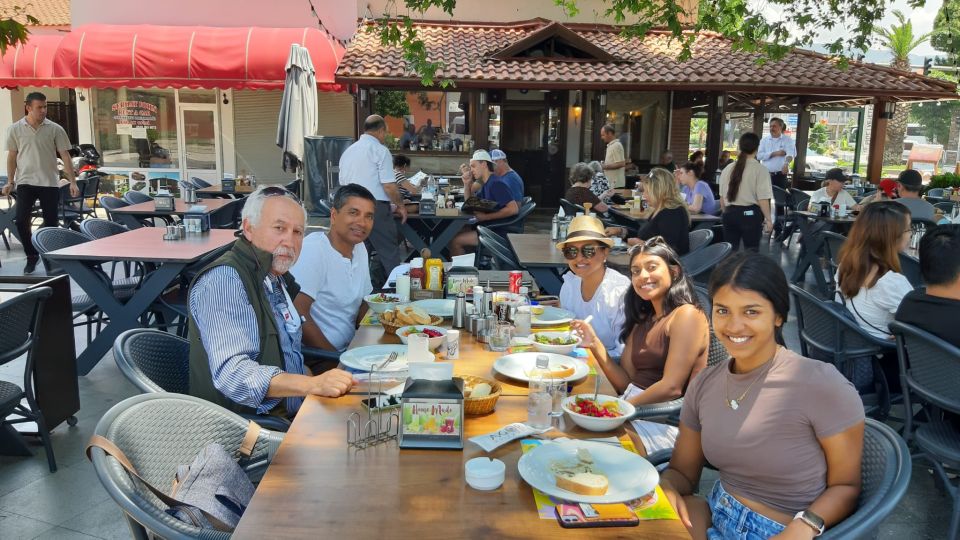
This tour’s skip-the-line angle is important on cruise schedules. You’ll handle entrance fees on the day (they’re not included), but your guide brings the skip-the-line process so you aren’t stuck waiting behind slow-moving queues.
The real value isn’t only speed. It’s that you can arrive inside the ruins while your brain still cares. When you’re forced to wait too long, you end up rushing photos and missing the explanation. With this format, you’re more likely to connect the sites to the stories—Library of Celsus, the theater’s scale, Artemis’s Seven Wonders status.
Small group pace: why it feels calmer at crowded ruins
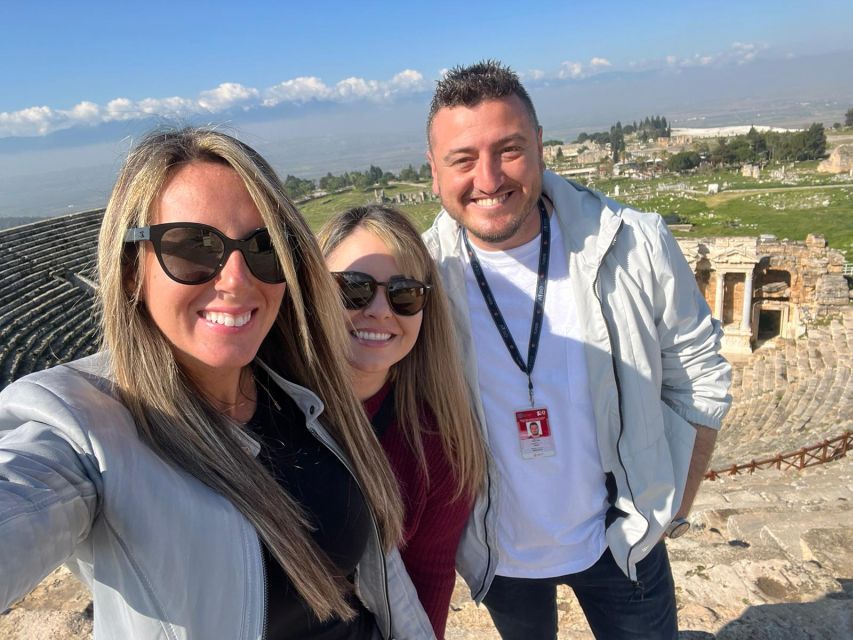
A max group size of 16 changes the whole mood. Ephesus is busy, and guides have a job to do: keep the group together without turning into a lecture machine.
The feedback you’ll see for this style of tour repeatedly points to guides who keep the facts sharp, timing balanced, and questions welcomed. Names that come up include Yavuz, Emma, Oko, Nilgun, Selda, and Oz (plus a few other spellings). The pattern is consistent: not overstuffed with dates, not skipping the big meaning, and often mindful of people’s pacing.
That “right amount of information” matters because Ephesus already has a lot going on. A good guide helps you pick what to notice first.
Artisan stops: the question isn’t if you’ll see shops, but how you’ll handle them
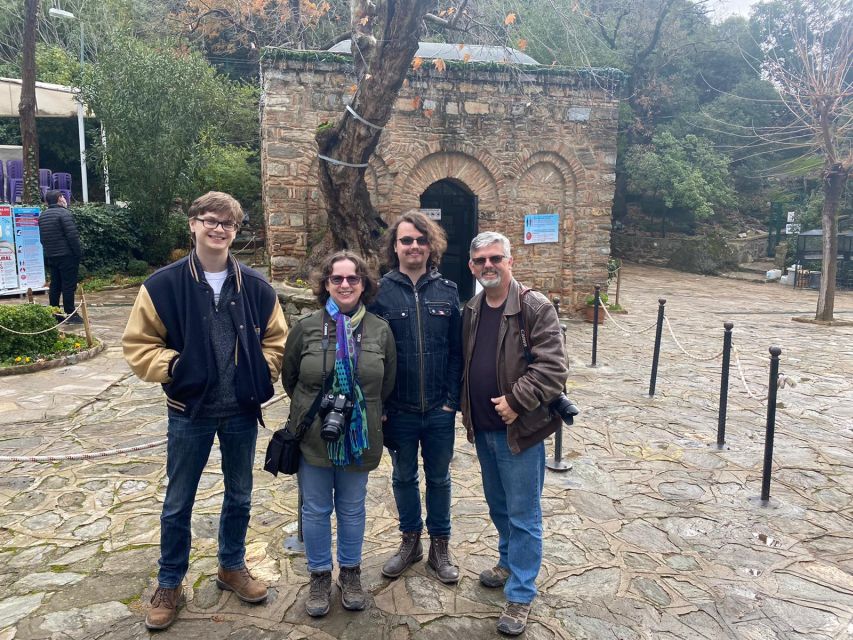
Some departures include extra stops linked to local crafts—porcelain/crafts, carpet weaving or similar demonstrations, and even leather or ceramics type shops show up in the experience notes. These are typically short add-ons and vary by guide and routing.
How to think about this: the shops can be a cultural bonus, especially if you’re curious about how Turkish artisans make things. But if you want maximum ruin time, keep your expectations anchored on Ephesus and Artemis. If a stop starts to feel like it’s taking over the day, you can set a clear boundary with your guide early.
Price and value: $29 plus what you still need to plan for
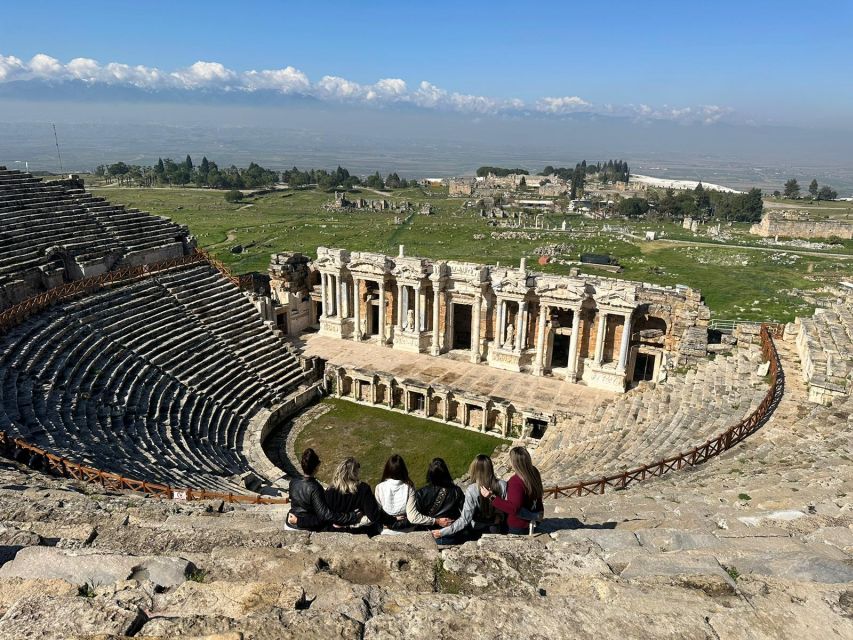
At about $29 per person, the base price is hard to beat for a guided, transport-included excursion built around skip-the-line access. You’re paying for:
- a professional licensed English guide
- air-conditioned transportation
- parking fees
- pickup and drop-off at the Kusadasi Cruise Terminal
What’s not covered: entrance fees (paid on the day) and meals/drinks.
So is it good value? In my view, yes—because the things that cost money and time on your own are handled for you: the logistics, the guide interpretation, and the line-skipping support. The main “cost” you should budget for is the on-day entrance fees and whatever you choose to eat afterward.
Also: the tour duration is about 4 hours, which is a realistic use of a shore day. You get the core highlights without eating your whole afternoon.
Walking, steps, and who should choose a different day
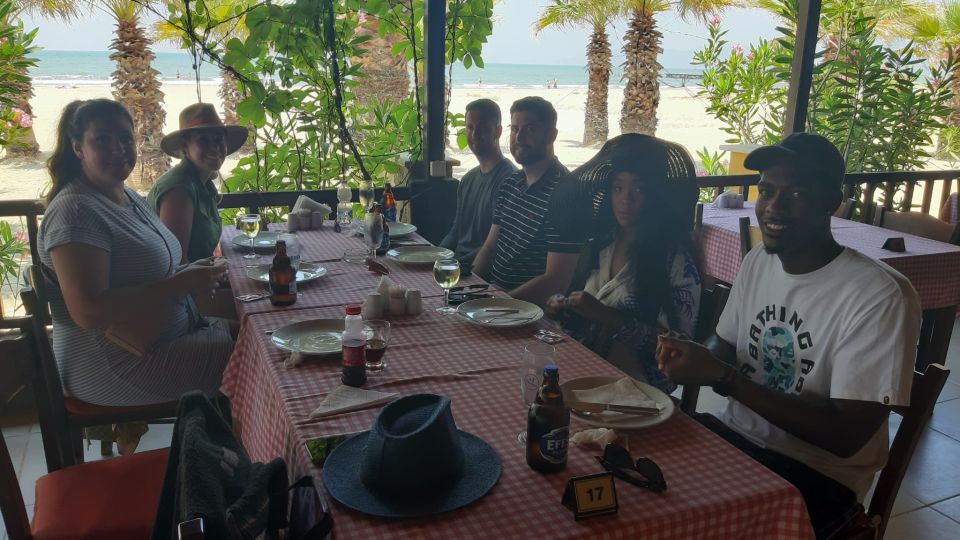
This tour includes about 1 mile (1.5 km) of walking, including steps. It’s not a long distance, but it’s the kind of walking that can add up fast when you’re also looking around for details.
You should consider skipping (or choosing another format) if you:
- find steps difficult
- need mobility accommodations
- are pregnant (the tour is listed as not suitable)
From a comfort standpoint, bring comfortable shoes, sunglasses, and a sun hat. You’ll feel the sun at open-air ruins, and you’ll be moving through stone terrain.
When this tour is a great fit (and when it isn’t)
This works best if you want a guided hit list. Perfect for cruise passengers. Also good for first-timers who need the big structures explained in plain language.
It’s also a strong option if you don’t want the overwhelm of a huge tour group. The small-group size helps the guide manage pace and questions.
When it may not fit:
- If you want a slow, photo-first day with lots of free time
- If your mobility needs extra flexibility beyond walking with steps
- If you strongly dislike optional add-ons like craft stops
Should you book this Kusadasi Ephesus and Artemis skip-the-line tour?
If you’re in Kusadasi for a short stop and you want Ephesus’s top monuments plus Artemis context without spending half your day stuck in lines, I think this is a smart booking. The combination of small-group size, licensed English guide, and skip-the-line access is the reason it punches above its price.
Book it if you want structure and meaning, and you’re okay with a steady walk and a timed visit to Artemis. Skip it if walking steps are a deal-breaker or if you know you need a longer, slower Ephesus day.
FAQ
FAQ
How long is the Kusadasi Ephesus and Artemis tour?
The tour duration is about 4 hours.
Where do cruise passengers meet for pickup?
Cruise passengers meet at the Kusadasi Cruise Terminal. Your guide/operator confirms the meeting time by email.
How big is the group?
The tour is a small-group experience with a maximum group size of 16 people.
Does the tour include skip-the-line entry?
Yes. The tour offers skip-the-line access for the sites, but entrance fees are still paid on the day.
Are entrance fees included in the price?
No. Entrance fees are not included, and your guide will have the skip-the-line tickets, payable on the day.
How much walking is involved?
Expect about 1 mile (1.5 km) of walking, including steps.
Is the tour in English, and who might not be able to join?
The tour is offered with a live English guide. It is not suitable for pregnant women and not suitable for people with mobility impairments.
Can I cancel and get a full refund?
Yes. You can cancel up to 24 hours in advance for a full refund.