REVIEW · EPHESUS TOURS
Kusadasi Shore Excursion: Private Tour to Ephesus including House of Virgin Mary and Temple of Artemis
Book on Viator →Operated by Achtypis Tours · Bookable on Viator
Ephesus in one focused half-day is a smart way to win back cruise time. This private Kusadasi excursion strings together the big Roman sights at Ephesus, the House of the Virgin Mary, and the Temple of Artemis site, all with pickup and a dedicated guide. I especially like the slow, downhill walk through the ruins so you can actually connect buildings to stories, and I like that the tour is built around clear pacing rather than a frantic checklist.
One thing to think about: the admission tickets are not included, and part of the day can feel a bit “on the move.” Also, some departures add shopping-style stops (carpets, leather), so if you want history-only, tell your guide what you do and don’t want on day one.
In This Review
- Key points to know before you go
- Price and logistics: what you’re really paying for
- Meeting Kusadasi and getting to Ephesus without losing daylight
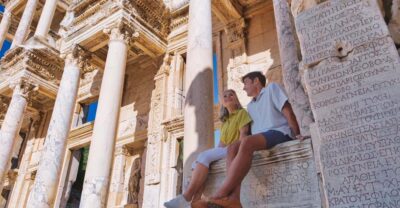
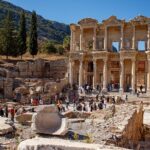
- Entering Ephesus at Magnesia Gate: the Roman capital starts to make sense
- The Great Theatre and the St. Paul connection
- Candid reality check: walking, heat, and how long each stop really lasts
- House of the Virgin Mary (Meryemana): small house, big meaning
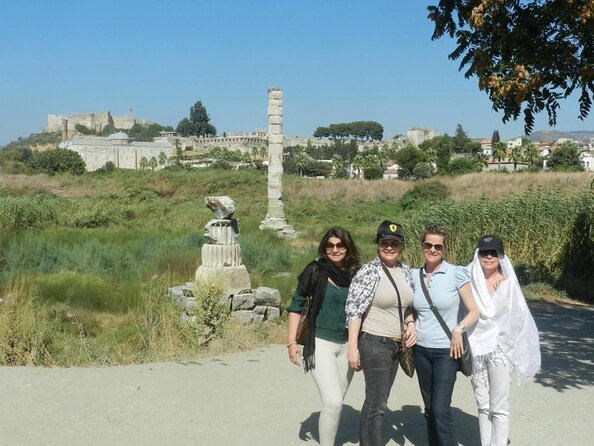
- Temple of Artemis: what you can still grasp from the ruins
- The part that can make or break your day: shopping detours and guide style
- What I’d pack and how I’d pace your half-day
- Return to your ship: why the “worry-free” piece matters
- Who should book this private Ephesus day
- Should you book it?
- FAQ
- How long is the tour?
- Is pickup offered from Kusadasi?
- Where do we meet for the Ephesus portion?
- Are admission tickets included in the price?
- Are food and drinks included?
- What sites are included in the tour?
- Is this a private tour?
- What is the worry-free guarantee about?
- What hours does the tour operate?
- Is a mobile ticket used?
Key points to know before you go
- Private guide from your ship area: you start with a meeting point near the Magnesia Gate and stay with one team.
- Ephesus highlights, in a logical route: Magnesia Gate, Odeon, Celsus Library, Great Theatre, and more.
- Short, meaningful stops: Mary’s House and the Temple of Artemis are brief but memorable.
- Worry-free ship guarantee: built for cruise schedules, with back-up plans if timing goes sideways.
- Comfort matters in hot weather: the tour includes time breaks and a relaxed walking pace, which many guide styles are praised for.
Price and logistics: what you’re really paying for
At $422.97 per person (about a half-day), this is not a budget tour. But you are paying for the things that matter when you’re on a cruise: private transportation, a professional guide, and a plan to get you back onboard.
Here’s the value math I’d do:
- If you’re traveling as a family, a private vehicle plus a guide who adjusts to your group can be worth it fast. Several families describe the day as paced for kids (and older family members) rather than geared to a single speed.
- You’ll still have extra costs for admission tickets because they’re not included. So treat the listed price as the guide + transport portion, then budget separately for entrance fees at Ephesus (and any other ticketed sites you choose to enter).
In plain terms: this tour is for people who want control (your pace, your timing, your guide’s attention), not for people who want to squeeze every ounce of sightseeing into the cheapest option.
You can also read our reviews of more private tours in Kusadasi

Meeting Kusadasi and getting to Ephesus without losing daylight
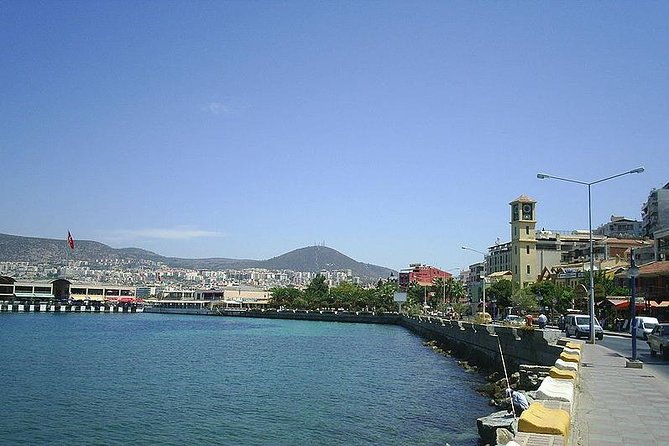
You meet in the port area of Kusadasi and then head toward Ephesus by private vehicle. The meeting point is set so you can get started at the right place: Magnesia Gate.
That’s a big deal. Ephesus is a ruin city. The most enjoyable way to see it is to enter in a way that makes the terrain feel natural. Starting near Magnesia Gate means your walk trends slowly downhill into the core ruins, instead of wandering in circles trying to figure out where you are.
The tour runs about 4 hours (approx.), so timing matters. This is one of those excursions where you benefit from being ready right when the ship docks and from having your essentials (water, sunscreen, comfortable shoes) in hand.
Entering Ephesus at Magnesia Gate: the Roman capital starts to make sense
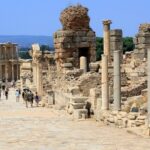
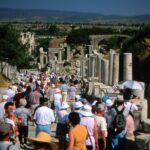
The walk begins at Magnesia Gate, originally constructed to link Ephesus with Magnesia. Even if you only remember one thing from the first few minutes, make it this: gates are not just entrances. They’re also clues. This one tells you Ephesus was built to move people and trade, not just to pose for tourists.
From there, your route is set up like a guided storyline through the Roman provincial capital:
- Odeon: a nearby stop that fits the theatre-and-public-life theme.
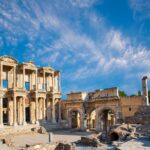
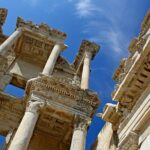
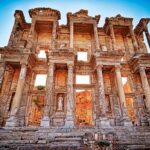
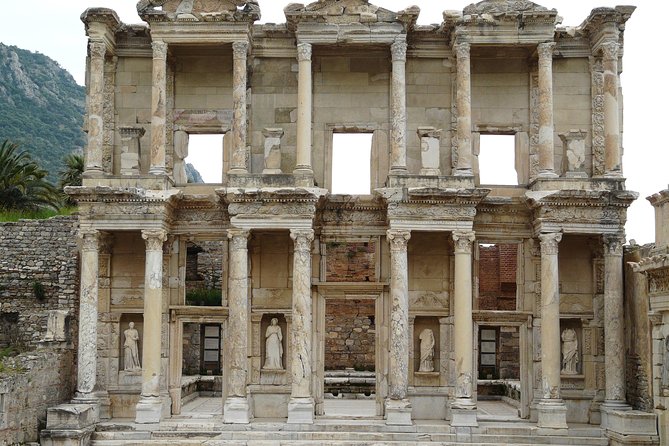
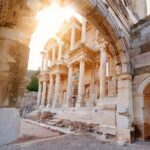
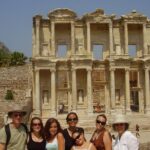
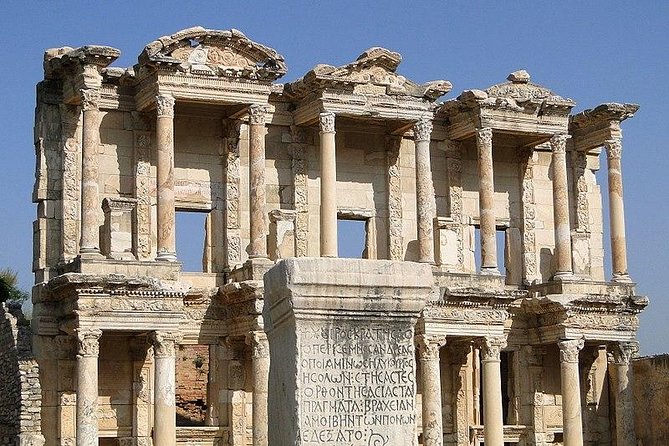
- Celsus Library: one of Ephesus’s most striking monuments. You also learn about the tomb beneath the structure tied to Gaius Julius Celsus Polemaeanus, a former governor of the province of Asia. The scale makes more sense when you understand it was once packed with scrolls, not empty stone.
- Temple of Hadrian: you’ll look at details connected to the city’s foundation, including panels with mythological imagery.
- Fountain of Trajan: an easy-to-miss element unless your guide points it out. It’s the kind of spot where a few sentences from your guide can turn it from “a column” into “a statement of power.”
The payoff is that Ephesus stops feeling like scattered ruins. It starts feeling like a functioning city.
The Great Theatre and the St. Paul connection
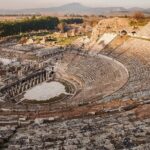
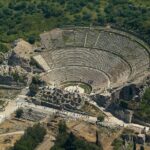
You’ll reach the Great Theatre, with seating for about 24,000. The guide explains the idea that St. Paul preached to the Ephesians here, and today the venue still has life through local events (it’s described as used for a spring festival).
For me, this is where the tour earns its keep. The theatre is dramatic, but it’s also a hub: speeches, religion, civic life, crowds. Even if you’re not a history nerd, you’ll feel the size of the place—especially when you’re shown where crowds would have sat and how sound would travel.
Candid reality check: walking, heat, and how long each stop really lasts
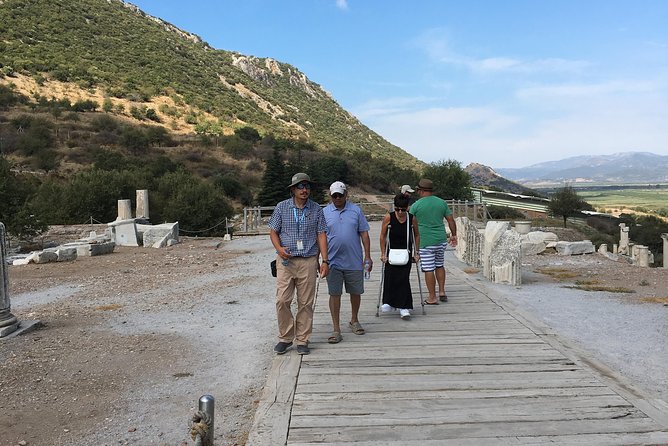
This is a moderate walk through uneven ancient ground. You’ll cover the big sights, but it’s still ruins—so you’ll want shoes with grip.
You should expect brief, focused stops along the way, not long lingering. The tour style is built for cruise time: enough detail to understand the big picture, plus time to take photos and move on.
A practical note from guide patterns in the experience feedback: some guides help with heat and shade (one guide is reported to provide umbrellas), while others are more “tour-through.” If hot weather is a concern for you, ask for shade breaks early with simple words like: we need frequent shade. That’s usually the kind of request a guide can plan around.
You can also read our reviews of more tours and experiences in Kusadasi

House of the Virgin Mary (Meryemana): small house, big meaning
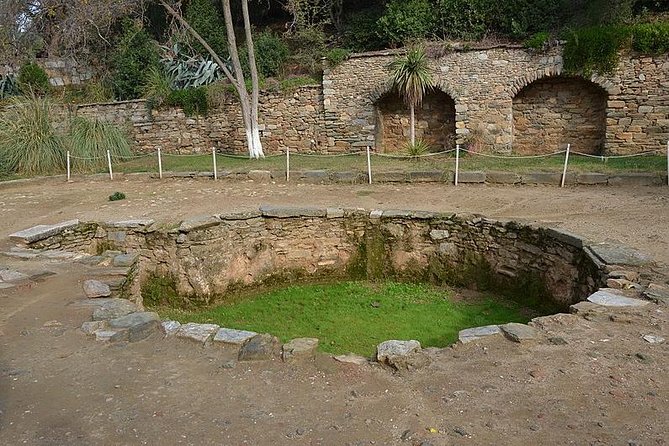
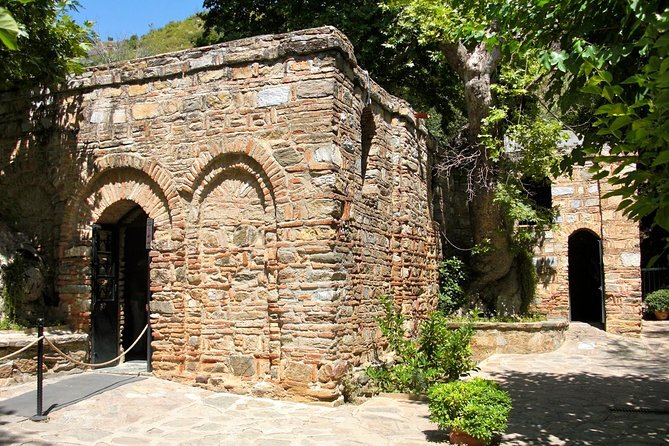
Next comes Meryemana, the House of the Virgin Mary in the Solmissos Mountains area. The tour explains that the Vatican recognized this as the final resting place of the Virgin Mary, and that a small shrine was found during discovery of the house ruins.
This stop is short—about 20 minutes—so it works best when you treat it like a quiet pause, not an all-day museum. The key things you’ll notice as you walk through:
- It’s described as a small two-story Roman house, with the center section as the focus.
- The room to the right of the altar is described as giving the building a church-like look.
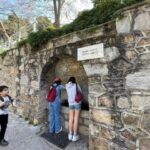
- There’s mention that you can spot features connected to devotion, such as a water fountain and a wishing wall.
If spirituality is part of your interest, this is one of the more moving stops on the day because it isn’t about scale. It’s about place and reverence.
One more thought: the house area can get busy. If you want a slower moment, arrive ready to use the guide’s timing and your own “pause button” to step aside for a few minutes.
Temple of Artemis: what you can still grasp from the ruins
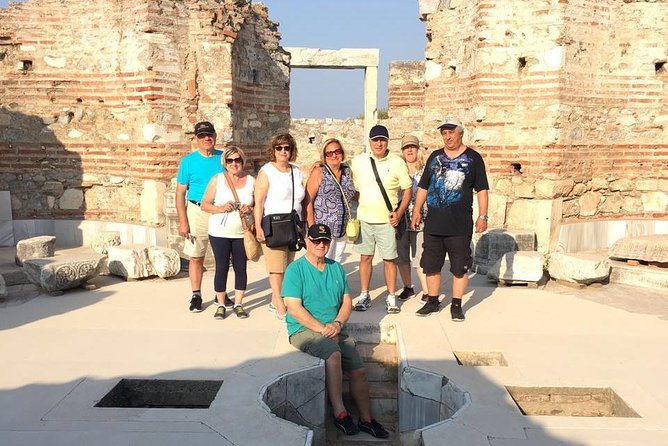
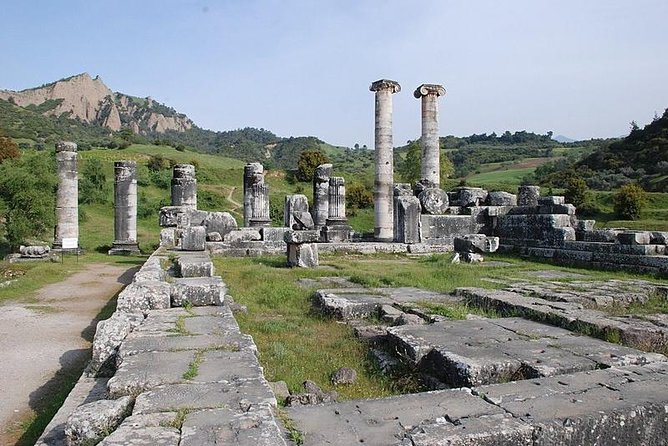
Then you’ll move to the Temple of Artemis area. You’re looking at an Archaic-period temple site that’s tied to one of the Seven Wonders of the Ancient World.
Twenty minutes here is enough to appreciate engineering and scale even though much of what you’re seeing is ruin. Artemis isn’t a “walk through a whole building” experience. It’s more about understanding the ambition behind it—how such a structure dominated its world and why it became part of the wonder-list imagination.
If you’re the kind of visitor who likes to compare ancient places, this pairs nicely with Ephesus. You’ll see how Ephesus could support grand religious architecture while still being a working city of theatres, libraries, and civic fountains.
The part that can make or break your day: shopping detours and guide style
Here’s the honest curveball. Some departures can include extra stops tied to shopping—carpets and leather are the most common examples in the experience feedback tied to this tour.
If you love seeing how things are made, those detours can be enjoyable. There are accounts of demonstrations related to carpet production (including silk and hand-knotting) and even leather runway-style fashion shows. Some families say these additions felt friendly and not pushy.
But not every guide’s approach lands the same. A couple of experiences describe a harder sales tone and less time for explanation at the House of the Virgin Mary and inside Ephesus.
So here’s my advice, plain and simple: if you want history-first, say it at the start. Use a direct sentence like:
- We want the historical sites, not shopping.
- Please don’t rush the House of the Virgin Mary.
- Give us more time for the main ruins.
A private tour is built for flexibility, so your best chance at getting the day you want is setting expectations early.
What I’d pack and how I’d pace your half-day
This tour moves, but it doesn’t have to feel stressful. To keep it smooth:
- Wear closed-toe shoes with traction.
- Bring water even though food/drinks aren’t included.
- Plan for sun. Ephesus is outdoors, and the day is built around walking.
- If you’re sensitive to heat, request shade breaks early.
If your group includes kids or a slower walker, this private format is a real advantage. People in the feedback describe guides working at a pace that fits mixed ages, and that’s exactly what you want when everyone’s energy levels differ.
Also, if you care about photo timing, ask your guide where the best photo angles are. In some guide styles, the time is used to position you well without rushing you through the ruins.
Return to your ship: why the “worry-free” piece matters
A cruise excursion lives or dies by ship timing. This tour is designed around that with a worry-free guarantee: you’re covered for the possibility of delays, including a plan to get you to the next port-of-call if needed, and a refund if you can’t attend due to a ship issue.
That doesn’t erase the reality of port schedules, but it gives you an extra layer of confidence. If you’re choosing a private tour specifically because you don’t want the stress of missed connections, this guarantee is part of the reason the price can feel easier to swallow.
Who should book this private Ephesus day
This tour fits you best if:
- You want a private guide and a sensible route through Ephesus.
- You’re short on time and want the big Ephesus hits plus Mary’s House and the Artemis site.
- You prefer adjusting pace for family needs, rather than marching with a crowd.
- You’re okay paying more to cut the chaos that often comes with cruise group tours.
You might look elsewhere if:
- You hate shopping stops and want zero detours.
- You need long, unhurried stays at each site (this is built as a half-day).
- You want admission-ticket pricing included in the total (here, admission tickets are not included).
Should you book it?
I think this tour is a strong choice if you want Ephesus with a guide, not just a ticket into ruins. The payoff is the way the day connects major monuments into one readable story, then gives you a quieter, more personal stop at the House of the Virgin Mary before closing with the Temple of Artemis site.
But I’d book with your eyes open. Factor in extra entry fees, plan for walking on uneven ground, and communicate your preferences about shopping right away. If you do that, you’re far more likely to get a version of the day that feels focused on history.
FAQ
How long is the tour?
The duration is about 4 hours (approx.).
Is pickup offered from Kusadasi?
Yes. The tour includes pickup (transport by private vehicle and a professional driver).
Where do we meet for the Ephesus portion?
The meeting point is in the Kusadasi port area, with the tour starting near the Magnesia Gate.
Are admission tickets included in the price?
No. Admission Ticket Not Included is specified for the main Ephesus stop, and tickets are also noted as not included for the other stops.
Are food and drinks included?
No. Food and drinks are not included unless specified.
What sites are included in the tour?
You’ll see Ancient City of Ephesus, the House of the Virgin Mary (Meryemana), and the Temple of Artemis.
Is this a private tour?
Yes. It is a private tour/activity, and only your group participates.
What is the worry-free guarantee about?
It’s designed to help ensure you return to your ship on time. The tour notes that if your ship has departed, transportation to the next port-of-call will be prepared, and refunds may apply if you cannot attend due to delays.
What hours does the tour operate?
Opening hours are listed as 8:00 AM to 4:00 PM, Monday through Sunday.
Is a mobile ticket used?
Yes. Mobile ticket is listed as a feature.
If you want, tell me your cruise arrival time and your group ages, and I’ll suggest a realistic strategy for timing and where you might want more or less focus during the day.