REVIEW · EPHESUS TOURS
Private Guided Ephesus Tour, Best of Ephesus
Book on Viator →Operated by Ada Vegas Travel · Bookable on Viator
Ephesus without the chaos is the goal. This private route pairs a licensed guide with line-skipping support, so you spend more time looking at stones and less time stuck in queues. I especially like the tight scheduling that fits multiple major stops, and the cruise-friendly promise to get you back on time. The main drawback to plan for is that several sites you’ll visit require paid admission tickets on the spot (Virgin Mary’s House, Ancient City, Terrace Houses, and St. John’s Basilica).
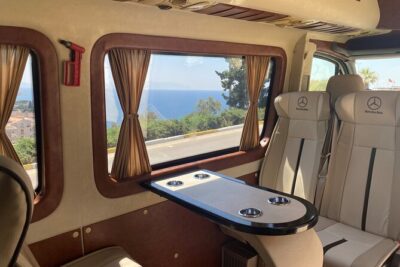
You’ll get hotel or cruise port pickup, then travel in an air-conditioned private Mercedes with a driver. That matters because Ephesus is spread out, and heat and walking can turn a “half-day” plan into a slog without help.
It’s also truly private—just your group—so your guide can adjust pacing if you need slower stops or extra time at one spot. Keep your expectations realistic: this isn’t just a museum crawl, it’s a full day of Roman streets, early Christian sites, and a couple of bonus cultural stops you may see depending on the day.
Key highlights at a glance
- Cruise and hotel pickup with drop-off, designed for not missing your ship
- Private, licensed guide with English-speaking interpretation
- UNESCO Ephesus focus plus extra historic sights packed in efficiently
- Skip-the-line help (useful when you’re paying entrance fees separately)
- Flexible timing with many departure options so your schedule stays in control
In This Review
- Why this private Ephesus day works better than a big bus
- Getting picked up smoothly from Kusadasi (hotel or cruise port)
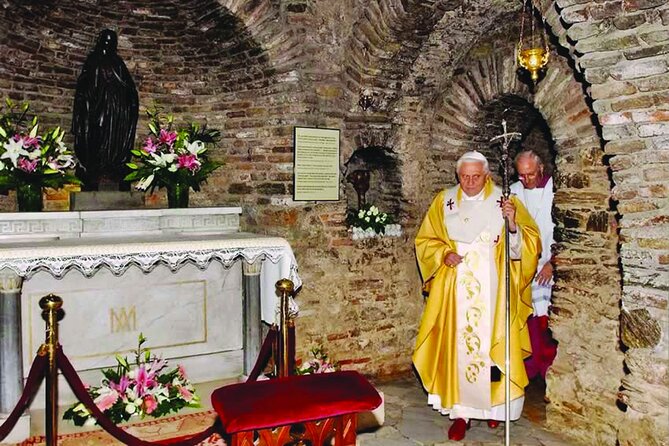
- Virgin Mary’s House (Meryemana): where timing really matters
- Celsus Library, Trajan’s Fountain, and the win of free stops
- Ancient City of Ephesus: the main show in about two hours
- Terrace Houses and Artemis Temple: extra cost, big payoff
- Basilica of St. John: a quieter finish with perspective
- The pacing and the comfort details that matter in real life
- Optional carpet school or rug factory: cultural stop vs shopping pressure
- Price value: what $80 buys you (and where it doesn’t)
- Should you book it? My practical call
- FAQ
- How long is the private Ephesus tour?
- How much does the tour cost?
- Is the tour guided, or self-guided?
- Does it include pickup and drop-off?
- What language is the tour in?
- Are entrance fees included?
- Which sites have free admission on the itinerary?
- Is lunch included?
- Is a vegetarian option available?
- How many people are needed to book?
- Can I cancel for a refund?
Why this private Ephesus day works better than a big bus
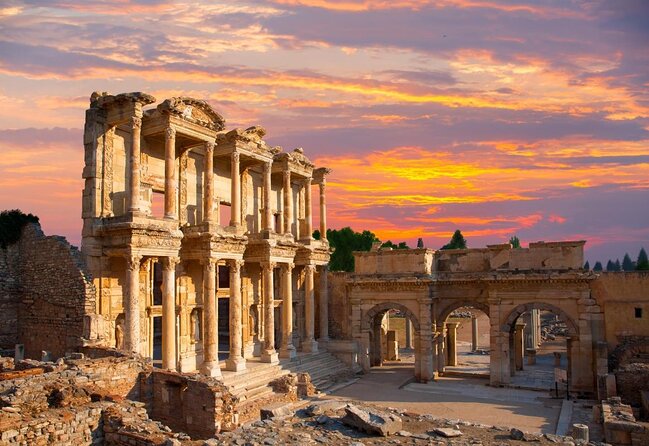
Ephesus is one of those places where the big-picture story is only half the fun. The other half is standing in the right spot and understanding why it mattered—who built it, who lived there, and what changed when empires shifted.
That’s where a private guide pays off. On this tour, I’d expect you to get the kind of on-the-ground explanations that make Celsus Library and the Terrace Houses feel less like random ruins and more like a real city. Reviews I’ve read repeatedly mention guides such as Huray, Samet, Filiz, Ender, Oz, and Murat as strong at bringing the sites to life and answering questions without rushing you.
The second reason this works is logistics. The tour is designed around pickup and return timing, including cruise port service. If you’ve ever toured from a cruise before, you know how stressful it can be when buses lag or lines grow. This one is built to reduce that stress by handling transportation with a dedicated vehicle and driver.
The main caution: entrance fees are not fully included. The route includes both free and paid stops, so you’ll want a simple plan for what you’ll likely pay on the day.
Getting picked up smoothly from Kusadasi (hotel or cruise port)
This is one of the more practical shore-excursion formats I’ve seen: you’re picked up, dropped back, and transported door-to-door in an air-conditioned Mercedes vehicle.
If you’re coming from a cruise, the operator asks for the ship name plus docking, disembarkation, and re-boarding times. That’s a good sign. It means the schedule isn’t generic—it’s meant to match your actual ship window.
Guides in the past have also been very specific about meeting points and timekeeping. People mention drivers arriving right on cue, well-maintained vehicles, and even small comfort touches like cold water on a hot day. If you want a calmer start (coffee in hand, phone in pocket), this style usually delivers.
Also note the tour uses mobile tickets. That’s convenient, but it’s still smart to keep an offline copy or screenshot as a backup in case your phone loses connection at a ticket desk.
You can also read our reviews of more guided tours in Kusadasi



Virgin Mary’s House (Meryemana): where timing really matters
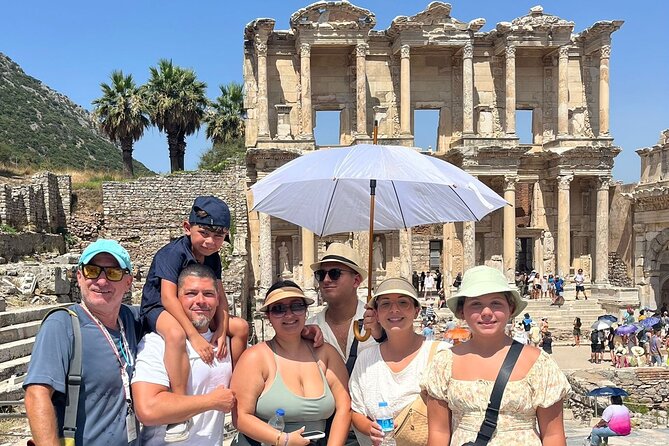
The itinerary starts at Meryemana (the Virgin Mary’s House). You’re there about 40 minutes, and admission is not included.
Why this stop is worth attention: it’s not just another ruin. It’s a religiously meaningful site tied to early Christian tradition, and the atmosphere is different from what you’ll feel later at Ephesus’s civic and commercial spaces. The drive and pacing also matter here—if you arrive earlier than the tour-bus wave, your time feels less pressured.
One practical tip that shows up in reviews is that arriving before bus groups can mean walking right in with less waiting. If your day is affected by cruise timing, this is exactly where your private guide’s timing strategy matters.
What to keep in mind:
- Wear shoes you can stand in comfortably for a short walk and time outdoors.
- Bring something for sun protection. Even the best guide can’t change the fact that this region can get hot.
Celsus Library, Trajan’s Fountain, and the win of free stops
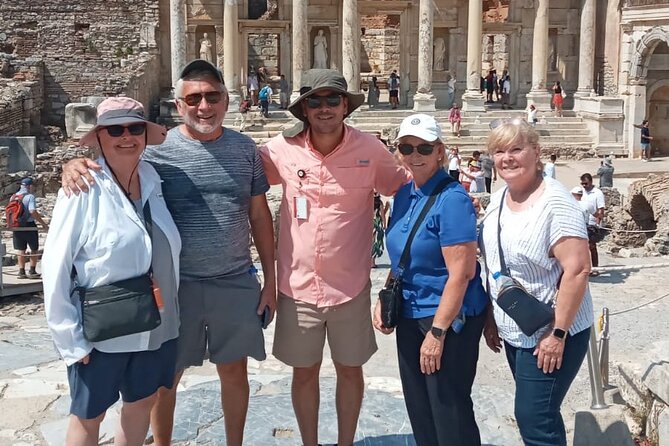
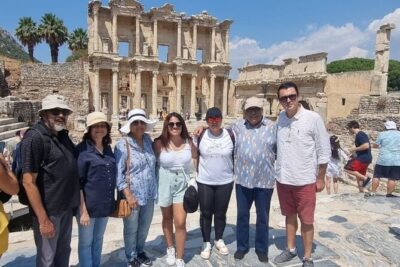
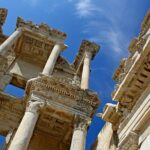
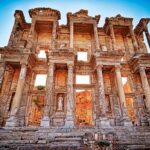
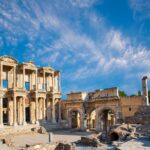
Next you’ll hit Celsus Library (30 minutes). Admission is listed as free, which is a great relief when you’re tracking costs across a half-dozen major stops.
Right after that is Trajan’s Fountain for about 10 minutes, also free. These shorter stops are useful because they break up the day. They also give you quick “Wow, that’s real” moments even if you’re feeling the effects of sun and walking.
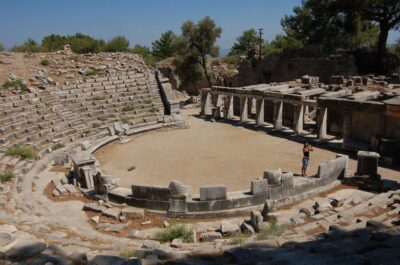
Even though these are faster, don’t treat them like side quests. Celsus Library is one of Ephesus’s most photogenic and historically important structures, and it’s the kind of place where a guide can help you read details you’d otherwise miss—where it fits into the city’s social and educational life.
If you’re the type who likes to understand what you’re looking at, a guide’s explanation will make these free stops feel like more than a bonus.
Ancient City of Ephesus: the main show in about two hours
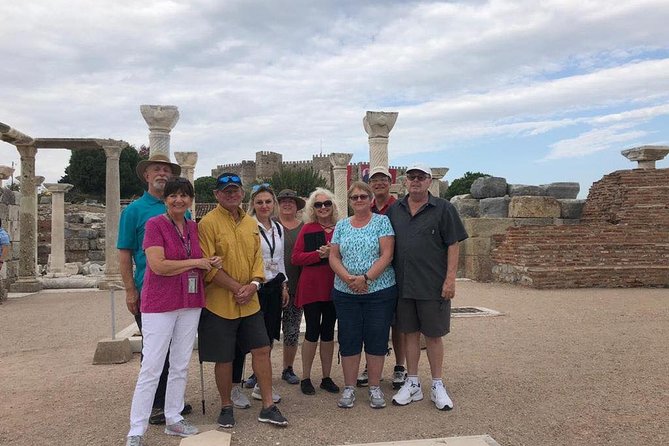
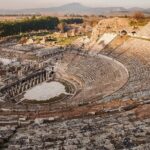
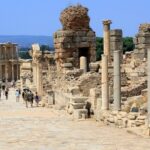
This is the heart of the tour: about two hours at the Ancient City of Ephesus. Admission is not included.
Two hours is enough to get a strong overview of the site’s layout and major areas, especially with a guide helping you connect the dots. It’s not enough to wander every alley without a plan, which is why private time matters here. You’re not just walking—you’re being directed to the most meaningful zones for the story you came for.
What you should expect:
- A guided route through major ruins rather than a random “you’re in the park, good luck” approach.
- Context about how Ephesus functioned as a Roman-era city and a religious center over time.
- Time for photos, but not unlimited dawdling.
This is also where entrance-ticket planning matters most, since the paid admission applies to the main site. If you’re budgeting tightly, check what tickets you’ll need that day and be ready to pay on arrival if the tour doesn’t include them.
Terrace Houses and Artemis Temple: extra cost, big payoff
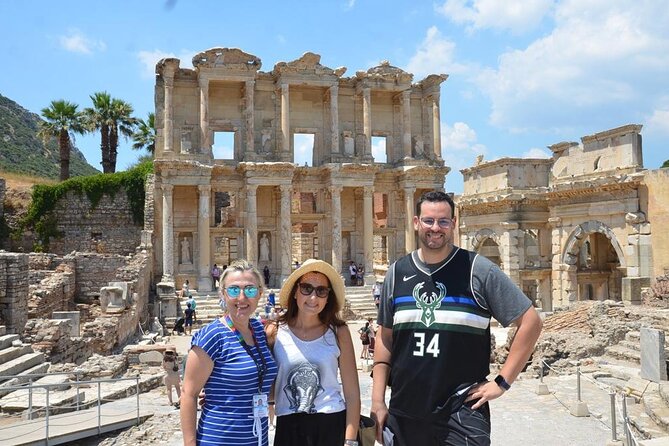
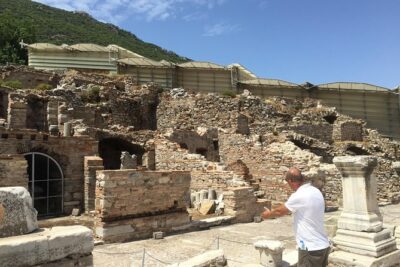
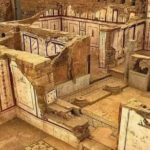
After the main ruins, you’ll visit Ephesus Terrace Houses for about 30 minutes. Admission is not included, and this stop is often where people decide if the day is “worth it” or “why didn’t we just do the base ruins.”
Why the Terrace Houses earn their reputation: they show a different side of Ephesus—how wealthy residents lived and how decorated spaces reflected status. Even if you’ve seen photos before, being there helps you understand the scale and setting.
Then the itinerary includes the Temple of Artemis for about 15 minutes, and admission is listed as free. The temple is dramatic even in ruin. It’s also a great contrast point: after exploring domestic life and Roman streets, you look at what a city built for religion and civic identity.
A practical note: these stops involve walking on uneven ground. If you’re sensitive to heat or have mobility limits, tell your guide early. Several reviews mention guides being flexible for age and physical needs, and that kind of adjustment can make the difference between a pleasant day and a painful one.
You can also read our reviews of more private tours in Kusadasi


Basilica of St. John: a quieter finish with perspective
Your final historical stop is the Basilica of St. John (about 30 minutes). Admission is not included.
This is a fitting capstone because it shifts you again—from civic and classical Ephesus into early Christian context. It’s not always the first thing people add to an Ephesus wish list, but it helps round out the story.
If the day feels hot and long by this stage, don’t worry. Thirty minutes is usually enough to feel the place without burning your energy before the return drive.
The pacing and the comfort details that matter in real life
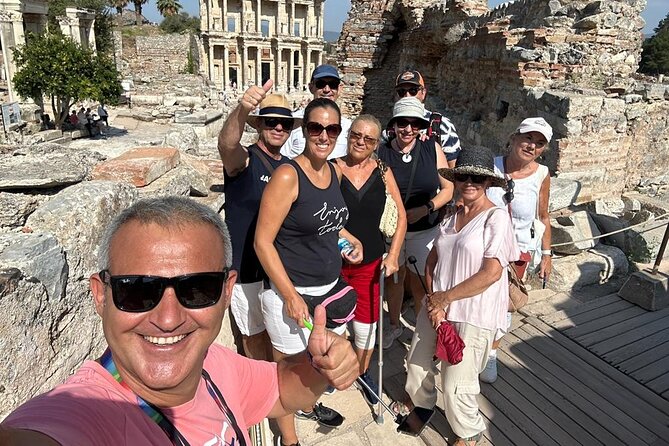
Ephesus can be a lot on the body. That’s why comfort details show up in reviews again and again.
Here’s what I’d plan around:
- Expect sun and heat. People mention guides adjusting the pace to avoid overheating.
- You’ll be doing a mix of shaded and sun-exposed time.
- Bring water and consider a hat or sunscreen, even if your guide provides cold water.
- Wear shoes with grip. One specific tip from a guide experience: non-skid footwear helps on marble walkways.
Transportation is the other comfort factor. Reviews describe a clean, comfortable private van and smooth movement between sites. That’s not a luxury detail—it’s energy management. Every minute saved on transit and every break between walking stretches makes the walking feel more manageable.
Optional carpet school or rug factory: cultural stop vs shopping pressure
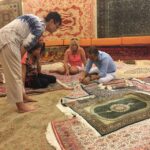
This tour’s core itinerary is all about Ephesus and key historic sites. But some days include an added stop related to carpet making, rugs, or a cultural craft demonstration.
In reviews, people describe things like a carpet-making exhibition, a rug factory visit, or a short demonstration with the option to purchase. The good news: many accounts say the selling felt low-pressure and respectful, more like learning than hard selling.
Still, keep one expectation clear: if you’re not interested in shopping at all, you should tell your guide at the start. A strong guide can steer you through the craft portion quickly and keep you focused on the day’s main goal.
Price value: what $80 buys you (and where it doesn’t)
At $80 per person for a 4 to 6 hour private guided experience, this sits in the “good value if you want efficiency” category, not the “cheapest way to see ruins” category.
What’s included that you’d otherwise pay for:
- Professional licensed guide
- Cruise port pickup and drop-off (and hotel transfers)
- Private A/C Mercedes vehicle and driver
- Parking fees
- Skip-the-long-lines support
What isn’t included:
- Drinks
- Entrance fees
- Lunch (though some experiences mention a meal stop; confirm what’s actually planned for your specific booking)
So the real value math is this: you’re paying for time savings and a guide-led route that reduces wasted effort. You’re also paying to avoid the stress of crowd timing, which is a big deal at Ephesus.
If you’re traveling as a family, two people, or anyone who values control over pace and timing, a private tour like this can feel cheaper than it sounds. If you’re traveling with a very flexible schedule and you enjoy navigating crowds on your own, you might prefer a lower-cost option with less structure.
Should you book it? My practical call
Book this private Ephesus tour if you want:
- A cruise-safe plan with pickup and return timing built in
- A guide-led route that helps you understand what you’re seeing
- Reduced waiting and less walking-by-guessing
- Flexibility for your pace, especially if your group has kids, older adults, or mobility limits
Skip or rethink if:
- You hate any chance of extra stops tied to shopping or crafts (even if they’re often low-pressure)
- You have a very tight budget and don’t want to deal with multiple entrance-ticket payments
- You want a free-roaming visit where you choose every step on your own
If you do book, come prepared for paid entry at several major sites, and communicate your preferences early—especially about pacing and any shopping boundaries. That’s how you turn a good itinerary into a memorable day.
FAQ
How long is the private Ephesus tour?
It lasts about 4 to 6 hours.
How much does the tour cost?
The price is $80.00 per person.
Is the tour guided, or self-guided?
It includes a professional licensed guide, and it’s a private tour for your group.
Does it include pickup and drop-off?
Yes. Cruise port pickup and drop-off are included, along with hotel transfers.
What language is the tour in?
The tour is offered in English.
Are entrance fees included?
No. Entrance fees are not included. Some stops are free, but others are marked as not included.
Which sites have free admission on the itinerary?
Celsus Library, Trajan’s Fountain, and the Temple of Artemis are listed as free. Other stops like the Virgin Mary’s House, the Ancient City, Terrace Houses, and the Basilica of St. John are listed as not included.
Is lunch included?
Lunch is listed as not included.
Is a vegetarian option available?
Yes, a vegetarian option is available if you advise at booking.
How many people are needed to book?
A minimum of 2 people is required per booking.
Can I cancel for a refund?
Yes. You can cancel up to 24 hours in advance for a full refund. If you cancel less than 24 hours before the start time, you won’t get a refund.