REVIEW · CRUISES & BOAT TOURS
Skip Lines: Ephesus PRIVATE TOUR For Cruise Guests
Book on Viator →Operated by Tours for Ephesus · Bookable on Viator
Skip the lines in ancient Ephesus. This private cruise-friendly outing is built around guided time-saving, with your name on a signboard at the port/hotel lobby and pre-arranged access so you can focus on monuments instead of queues. You’ll also get a custom pace that matters when your ship schedule is tight.
I especially like the way the main site is explained, with guides such as Umut praised for clear storytelling and even practical photo tips. You’ll also like how the day stacks big-name stops—Ancient Ephesus, Meryemana, and St John—without turning it into a marathon.
One consideration: the stops are short by design, so entrance fees are extra, and you may feel a bit rushed if you want museum-length time. Also, while this tour is usually smooth, there has been at least one case of a meeting-time miscommunication that caused a delay—so I’d treat your first contact time seriously.
In This Review
- Key highlights to know before you go
- Why this Ephesus day is built for cruise timing
- Pickup and getting started without losing your morning
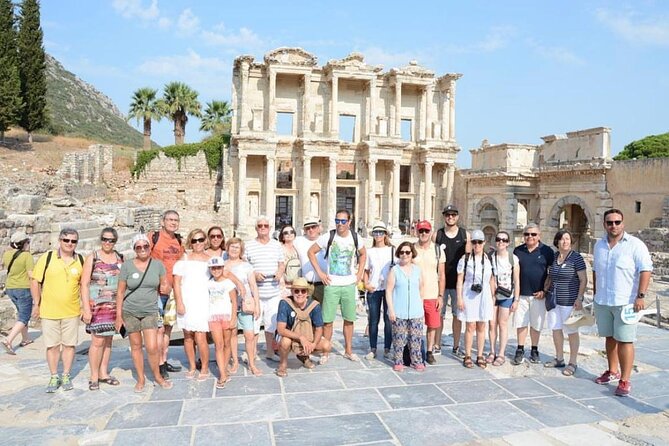
- Ancient Ephesus in about two hours: what you’ll actually see
- Terrace Houses: mosaics and frescoes in a tight half-hour
- Meryemana (Virgin Mary’s House): why this stop pulls people in
- St John’s Basilica: Justinian-era architecture over an older burial story
- Temple of Artemis: a short stop with big historical labels
- Shopping time and a pass by Pigeon Island
- Price and value: what $180 buys you (and what you still pay)
- The meeting-time lesson from real guide experiences
- Should you book this private Ephesus cruise tour?
- FAQ
- How long is the Ephesus private tour for cruise passengers?
- Is pickup and drop-off included?
- Are entrance fees included?
- What stops are included during the tour?
- Is this a private tour or shared with others?
- What is the cancellation policy?
Key highlights to know before you go
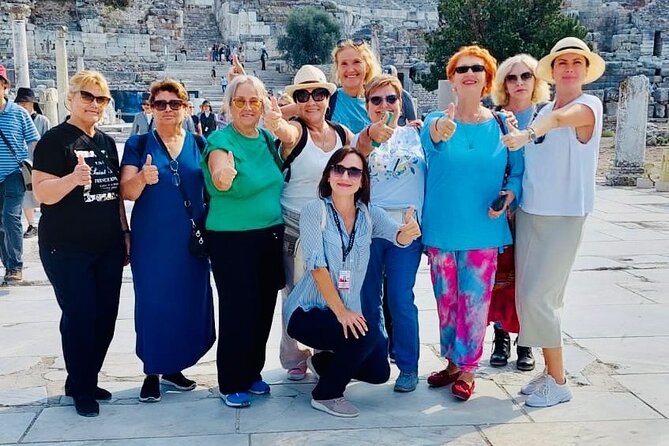
- Skip-the-line planning: tickets are arranged in advance so you avoid long ticket lines at the ruins
- Cruise-time focus: pickup and drop-off are timed for an on-time return to your ship schedule
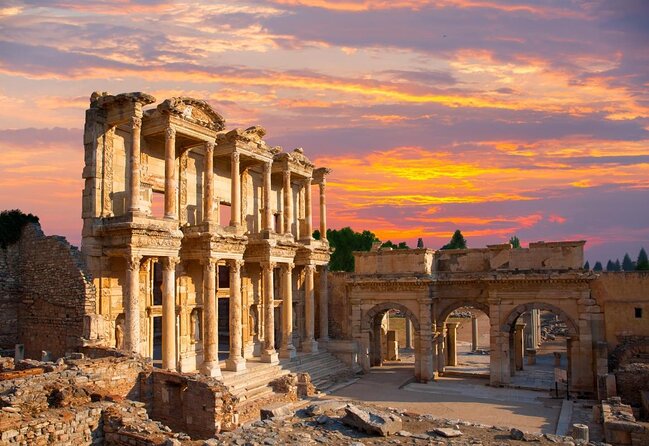
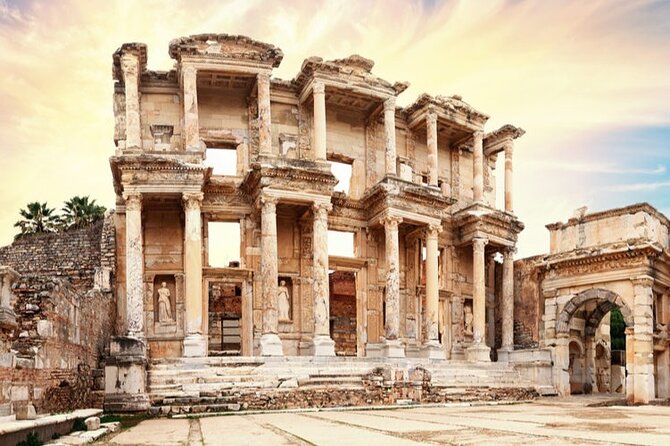
- Ancient Ephesus in two hours: big anchor sights like the Celsus Library, Odeon, and the Amphitheatre
- Terrace Houses + mosaics/frescoes: a compact stop for the luxurious residential villa complex
- Meryemana details: a sacred site tied to stories of Mary’s final days and annual August 15 rituals
- Fast Artemis stop (free entry): a short look at the Temple of Artemis, historically one of the Seven Wonders
Why this Ephesus day is built for cruise timing
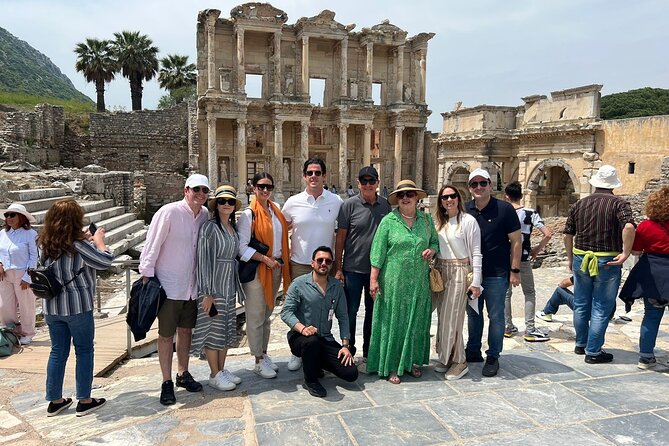
Ephesus is huge, hot, and full of foot traffic. This private format is designed to fight the usual cruise-day problems: wasted time at ticket windows, slow group bottlenecks, and the constant feeling that you’re always chasing the clock.
In plain terms, you’re paying for control. Your guide can keep you moving, decide how long you linger at key spots, and help you hit the most meaningful pieces before it’s time to head back. That’s the main value for a 4–5 hour window.
The other big benefit is that you’re not sharing attention. In reviews, guides like Umut, Kemal/Kermal, and others were described as attentive and good at making the ancient site feel understandable instead of just impressive. When you’re short on time, that kind of guidance turns your visit into a story you can follow.
You can also read our reviews of more boat tours in Kusadasi

Pickup and getting started without losing your morning
You’ll be met by a professional guide at the port gate or your hotel lobby, with a signboard showing your name. That simple detail can save you from that classic cruise scramble where everyone is staring at their phones trying to match faces.
The tour recommends an early start, and for cruise passengers it specifically suggests meeting your guide within 45 minutes after your ship anchors. The point is practical: less traffic, fewer crowds, and less time baking in the heat before you even reach the ruins.
Logistically, pickup and drop-off are included, with a new, air-conditioned vehicle and all parking fees and taxes covered. There’s also a mobile ticket involved. So once you’re matched with your guide, the day is meant to run like a machine.
Ancient Ephesus in about two hours: what you’ll actually see
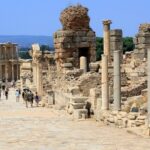
The heart of the day is the Ancient City of Ephesus, and the route is heavy on the big-picture sights you want to recognize. You’ll get around for about 2 hours, with the guide helping you connect what you’re looking at to why it mattered.
Here are the key stops inside the ancient site, and what they mean for your visit:
- Odeon: this is tied to music concerts in the ancient world, so it’s not just stone shapes—it’s a reminder that Ephesus wasn’t silent or empty.
- Domitian Temple: the focus here is on the temple dedicated to a human, which helps you understand how religion, power, and everyday life mixed in Roman times.
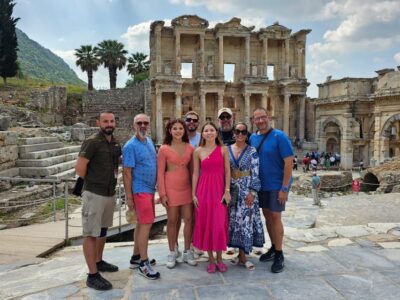
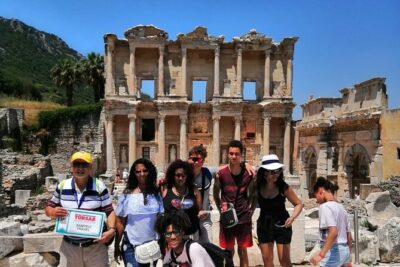
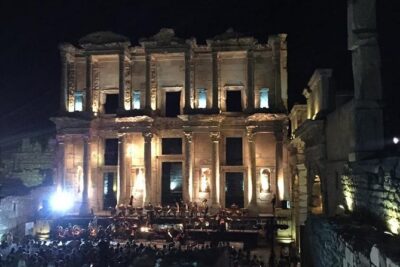
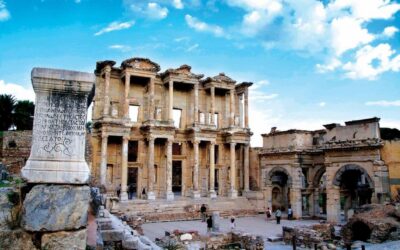
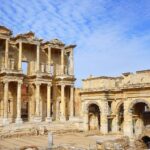
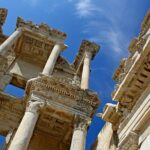
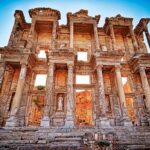
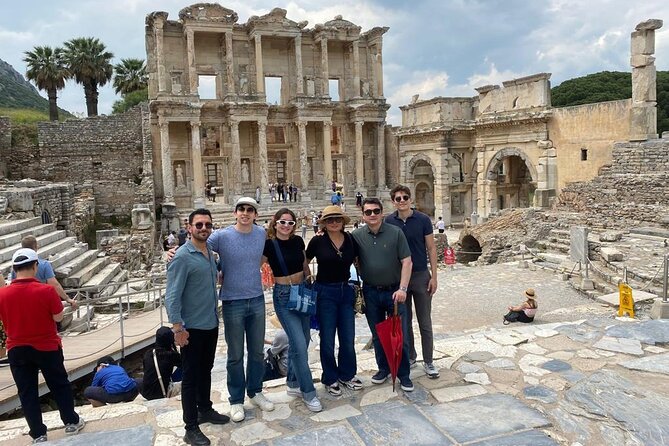
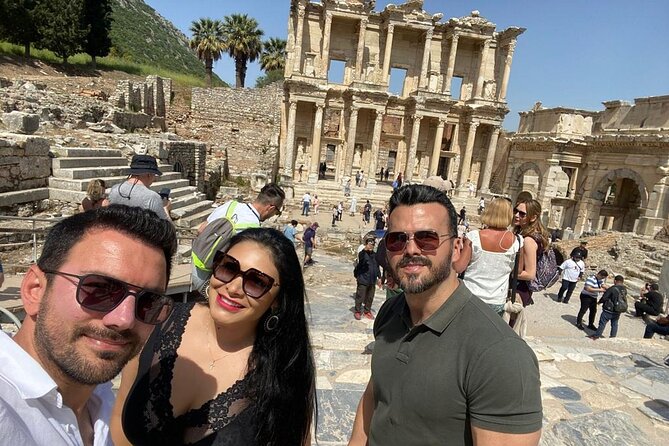
- Celsus Library: it was the third biggest library in ancient times. Even if you don’t read every detail, the scale makes the intellectual ambition obvious.
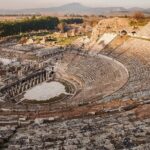
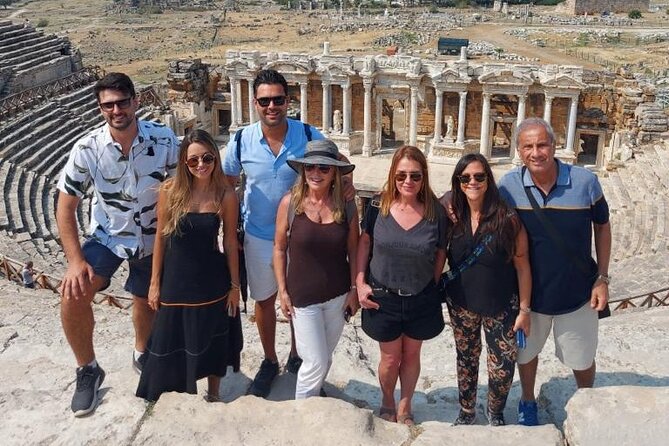
- Amphitheatre (24,000 capacity): one of the world’s major amphitheatres, and it connects to the biblical story of St Paul preaching to the Ephesians.
- Marble Street, Roman Baths, fountains, temples, agora, and public toilets: these help you picture daily routines—walking routes, public services, and civic life.
- Love House: a famous archaeological nickname you’ll likely hear again once you see the context around it.
- Terrace Houses (optional): this is flagged as optional, and it matters because you can either enjoy the main sweep or spend extra time on the residential area with mosaics and frescoes.
What I like about this approach is that it balances “wow” with “why.” You’re not only getting the postcard moments. You’re also getting the connecting tissue: how pagan goddess Artemis played a role in the city, and how biblical narratives later shaped Ephesus’s importance to Christians.
If you’re short on time, this is the right kind of route. It moves fast, but it doesn’t feel random. The guide’s job is to help you understand the patterns you’re seeing. In reviews, guides were praised for making the explanations easy to follow, with Umut in particular noted for being engaging and helpful.
Terrace Houses: mosaics and frescoes in a tight half-hour
Next comes the Ephesus Terrace Houses, usually around 30 minutes. This is one of those stops that feels like a change of pace because you’re shifting from public spaces to private luxury.
The Terrace House complex consists of residential villas on the northern slope of Bülbüldağ hill, near Curetes Street and opposite the Hadrian Temple area. Excavation began in 1960, and that’s a big part of why it can feel both ancient and surprisingly detailed.
Inside, the emphasis is on meticulous frescoes and mosaics. Even if the time is short, this stop gives you a glimpse of what wealthy daily life may have looked like, not just what the city hosted for crowds.
One key detail: entrance tickets aren’t included for this stop, so budget for it on your end. The tour notes they arrange tickets in advance for the Ephesus ruins to help you skip long lines, but the Terrace Houses line-item still matters for cost.
Meryemana (Virgin Mary’s House): why this stop pulls people in
The Meryemana, also known as the Virgin Mary’s House, is about 45 minutes. It’s located on Bülbül Mountain, roughly 9 km from Selçuk.
This is a sacred stop in both Christian tradition and Islamic devotion. The story attached here includes the belief that Yuhanna brought Mary to Ephesus 4 or 6 years after Jesus’s death. You’re also told that in 1891, Lazarist priests discovered the house’s location following a dream of the German priest A. Kathathina Emerich, and that the structure was later planned and restored.
The tour also shares that the site is considered sacred by Muslims, and that rituals are held every year on August 15. Those rituals are tied in the story to Pope VI and to Paul’s visit in 1967, which is described as part of why attention draws here annually.
I like this stop because it changes the tone of the day. You’ve been in large-scale ruins and civic spaces; now you’re in a place treated with reverence. Even if you’re not religious, it helps you understand why Ephesus is more than just archaeology to many people.
Practical tip that comes from how these sites usually work: treat it as a respectful, slower moment. The tour gives you time for that, so don’t rush your way through just to “tick the box.”
You can also read our reviews of more private tours in Kusadasi



St John’s Basilica: Justinian-era architecture over an older burial story
Then it’s on to the Basilica of St. John, around 30 minutes. The context shared with you centers on the Evangelist St John living in Ephesus to spread Christianity and collect followers. The story also says he died around Ephesus after his exile from Patmos and was buried on the southern slope of Ayosolug Hill by his students.
The architectural anchor is Justinian, who constructed one of the biggest Christian basilicas in the 4th century A.D over the burial area. That “layering” is the key takeaway here: you’re seeing later monumental building work tied to earlier sacred tradition.
If you’re interested in how religious sites evolve over time, this stop gives a clear example. It’s not just about names; it’s about how the built environment records belief and memory.
Temple of Artemis: a short stop with big historical labels
The day finishes with the Temple of Artemis (Artemesium), about 15 minutes. The tour frames it with the famous backstory: it was one of the Seven Wonders of the World.
You’ll hear that Croesus built it around 550 BCE, and it was rebuilt after being burned by Herostratus in 356 BCE. The stated size is huge for the imagination—about 350 by 180 feet (roughly 110 by 55 metres)—and it was known for the magnificent works of art that adorned it.
Admission for this stop is noted as free in the tour details, so at least one cost item may be lighter here.
What to expect from the time you have: this is not a long lingering viewpoint. It’s a quick historical hit that sets the stage for why Ephesus mattered to the ancient world before (and alongside) the later Christian narrative. Use the short time to take photos, then let your guide tie it back to everything you already saw.
Shopping time and a pass by Pigeon Island
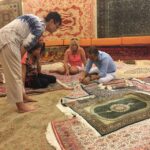
If you want a little freedom, the guide includes time for local handicrafts and shopping. You can also ask your guide for practical recommendations on traditional items and where to find them, plus tips for a hassle-free experience.
The tour also mentions a quick scenic pass by Pigeon Island, described as one of the earliest settlements of modern Kusadasi. You’ll see it from a distance near the port area, and you might have extra time after the main sightseeing if your ship schedule allows.
Finally, the tour ends with a return to the Kuşadası Cruise Port based on your onboard time. That is the whole point of the cruise-focused design: you’re not stuck hoping the driver can beat traffic. The schedule is supposed to be built around getting you back in time.
Price and value: what $180 buys you (and what you still pay)
At $180 per person for a private 4–5 hour cruise day, you’re paying for three things:
1) Private pacing and attention
Your guide isn’t managing a large group, so you’re less likely to lose time waiting for someone who’s stuck at a ticket counter or lagging behind in the heat.
2) Pre-arranged skip-the-line help
The tour states that entrance tickets for Ephesus are arranged in advance, so you can skip long ticket lines at the ruins. That can be a big deal when you only have a few hours in port.
3) Transport and on-site logistics
Pickup/drop-off, all parking fees, taxes, and an air-conditioned new vehicle are included. That reduces the “hidden hassle” cost, even if you’re still paying entrance fees separately.
What the price does not cover: food and drinks, and entrance fees are listed as not included overall. The tour notes ticket handling is arranged so you skip long lines, but that doesn’t automatically mean no entrance costs. So it’s smart to plan for those extras.
Also, there’s mention of group discounts, and the tour is private for your group. If you’re traveling as a group and can coordinate, this might matter, but you’ll want to confirm how it applies at booking.
Reviews back up the value side: people repeatedly singled out smooth guiding and the ability to see multiple major stops within limited time. One account even notes a replacement guide situation that still ended up worthwhile because of attentiveness and clear explanations.
The meeting-time lesson from real guide experiences
Because you’re on a cruise schedule, small problems can feel big. One review described a miscommunication that delayed the meeting time significantly, causing stress. The good news is that the replacement guide Umut was praised for making the experience worthwhile afterward—clear explanations, strong attentiveness, and even reminders for group photos.
So here’s my practical advice: when you book, make the first contact time feel non-negotiable. Be ready early where the guide expects you. If you see any mismatch, solve it fast with the company so you don’t burn port time.
Also, don’t be shy about asking your guide to set priorities. If you only have time for a few highlights, a good guide will help you choose what you’ll enjoy most. That kind of flexibility is one of the reasons people prefer private over cruise-bus group formats.
Should you book this private Ephesus cruise tour?
Book it if:
- you have a limited port window and want an organized, timed day focused on the biggest Ephesus and nearby spiritual sites
- you care about skip-the-line convenience and hate wasting time at ticket counters
- you want a guide who can explain what you’re seeing, with reviews pointing to strong communication from guides like Umut and Kemal/Kermal
Consider a different option if:
- you prefer long stays in museums and sites without time pressure
- you don’t want to manage separate entrance fees
- your ship day is so tight that even minor delays feel unacceptable (this is rare, but real enough to think about)
If you’re spending only a few hours in the area, this private format is one of the more practical ways to get meaning out of Ephesus without turning your day into a stamp-collecting sprint.
FAQ
How long is the Ephesus private tour for cruise passengers?
It’s about 4 to 5 hours.
Is pickup and drop-off included?
Yes. The tour includes port/hotel pickup and drop-off, plus parking fees and taxes.
Are entrance fees included?
No. Entrance fees are not included. The tour arranges Ephesus tickets in advance so you skip long ticket lines.
What stops are included during the tour?
You’ll visit Ancient City of Ephesus, Ephesus Terrace Houses, Meryemana (Virgin Mary’s House), Basilica of St. John, and Temple of Artemis. There’s also optional time for handicrafts shopping.
Is this a private tour or shared with others?
It’s private. Only your group will participate.
What is the cancellation policy?
You can cancel for a full refund if you cancel at least 24 hours before the experience’s start time. The tour also lists free cancellation.