REVIEW · SELCUK
Istanbul: 8-Day Cappadocia, Ephesus, Konya, Pamukkale Tour
Book on GetYourGuide →Operated by Ephesus Shuttle Private and Small group · Bookable on GetYourGuide
Eight days across two continents can feel like a sprint. What makes this one work is the tight planning, included transport, and the mix of iconic sights with real regional variety.
I love that the tour spells out no hidden fees because entry tickets for the listed stops are included. I also like the private guide pickup system in Istanbul, with your name displayed at the port or your hotel pickup area. One thing to consider: St. Sophia interior access has special rules after Jan 15, 2024, so you’ll need a smart phone and headphones (or buy headphones on-site).
If you want a trip where logistics don’t eat your vacation time, this is built for that. You’ll see big-ticket names like Hagia Sophia, Topkapi Palace (including Harem), and Ephesus, then move into Cappadocia cave-hotel life and thermal scenery at Pamukkale. The trade-off is that some days are timed tightly, and there can be craft-shopping stops that may feel repetitive.
In This Review
- Key highlights worth planning for
- What this Istanbul-to-Ephesus tour really delivers
- Day 1 in Istanbul: Hippodrome to Topkapi to the Grand Bazaar
- Day 2 in Istanbul: Underground Cistern, Süleymaniye, Spice Market, Golden Horn
- The St. Sophia rule that can change your visit
- From Istanbul to Cappadocia: cave hotels and “this is why flights help”
- Konya on this route: a needed change of pace
- Pamukkale: thermal terraces with a time-management reality check
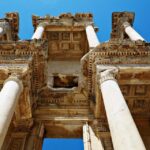
- Ephesus: one of Turkey’s clearest “wow” days
- Hotels, transport, and the small comforts that matter
- Guides and what you can learn fast
- Price and value: what $1,579 really covers
- Who this tour fits best (and who should think twice)
- Should you book it?
- FAQ
- Are entrance fees included?
- Is the hot air balloon ride included in the price?
- What’s included for meals?
- Will I be able to get into Hagia Sophia, and how does the new rule work?
- How do the domestic flights work?
- Is this tour wheelchair accessible?
Key highlights worth planning for
- Included entry fees for the sites in the itinerary, so you’re not doing last-minute ticket math
- Skip-the-ticket-line for the main stops, which matters in peak seasons
- Boutique Istanbul hotels + cave stays in Cappadocia, with hotel names listed as examples
- Domestic flights included (Istanbul to Cappadocia, Izmir to Istanbul) to keep the schedule sane
- Guide continuity reported by multiple departures, including named guides like Leyla, Sinan, Gurkan, and Nahide
What this Istanbul-to-Ephesus tour really delivers
This route is for people who want the headline monuments without turning your trip into a scavenger hunt. You get 7 nights of lodging across Istanbul, Cappadocia, Kusadasi, and Pamukkale, plus daily breakfasts and a couple of dinners. You also get a licensed guide for the sightseeing days, which helps you move faster and understand what you’re looking at.
The value case is pretty clear when you break it down. At $1,579 per person for 8 days, you’re not just paying for guiding. You’re also covering airport transfers, air-conditioned ground transport, and the two domestic flights that connect the inland sites to Istanbul. That’s the kind of spending that’s hard to replicate cheaply if you plan it alone.
The vibe is classic “group tour” in structure, but with a practical edge. One review noted the vehicle and driver stayed consistent for multiple days, and the pace was controlled enough to keep ticketing smooth. The flip side is that days can feel scheduled, especially if you prefer long unstructured afternoons.
You can also read our reviews of more tours and experiences in Selcuk.
Day 1 in Istanbul: Hippodrome to Topkapi to the Grand Bazaar
Day 1 strings together Istanbul’s most photogenic layers. You start at Hippodrome Square, tied to chariot racing in the Byzantine period and later unrest. It’s a good opener because it gives you context for why this city became a cultural heavyweight.
From there it moves into the two Istanbul icons that people come to see. You’ll visit Hagia Sophia (built in 532 AD) and the Blue Mosque, famous for the Iznik tile work. These aren’t just quick look-bys. You’ll walk in, see the big design ideas, and get the kind of orientation that makes the buildings feel less random.
Then comes Topkapi Palace, and this is where the tour gets extra serious. You’ll visit Topkapi including the weapons section and the Harem. Even if you’re not a museum person, the Harem stop helps you understand Ottoman life beyond sultans as distant legends.
Day 1 closes with the Grand Bazaar. The tour frames it as a huge covered market with 58+ covered streets and more than 1,200 shops. That means you can browse without baking in the open air, and you’ll have plenty of time for spice, carpet, jewelry, and pottery browsing—just keep expectations realistic. It’s a shopping labyrinth, not a quiet side street.
Practical note: Day 1 runs about 7 hours, so wear comfortable shoes and plan for lots of walking.
Day 2 in Istanbul: Underground Cistern, Süleymaniye, Spice Market, Golden Horn
Day 2 is shorter, which makes it a breather after the long first day. You begin at the Underground Cistern, described as Justinian’s largest covered water reservoir. It’s one of those stops that feels almost sci-fi once you’re underground. The point isn’t just to admire stonework—it’s to understand how the city engineered daily life.
Next is the Süleymaniye Mosque, built between 1550 and 1557 by architect Sinan for Süleyman the Magnificent. It’s a strong stop because it shows Ottoman scale and confidence, not just Ottoman decoration. From the courtyard layout to the minarets, it gives you a clear “why it matters” visual.
Then you’ll head to the Spice Market, also known as the Egyptian Bazaar. Expect aromas—cinnamon, caraway, saffron, mint, thyme, and more—because the market design is built for sensory overload. This is where you’ll get quick cultural texture before moving to the waterfront.
The day ends with a drive through the Golden Horn area, which helps you connect what you saw back to the geography that shaped Istanbul’s power. It’s a nice momentum shift: from interiors and markets to the water-and-city feel.
Day 2 is about 4 hours, so it’s a good day if you’re tired of museums but still want a full Istanbul hit.
The St. Sophia rule that can change your visit
This tour includes St. Sophia, but you should know the current interior setup. After Jan 15, 2024, live guiding is not allowed inside St. Sophia. You’re expected to use smart phones and headphones during your interior visit, with headphones available for purchase if you don’t have them.
For your planning, that means pack a working phone and bring earbuds if you can. If you rely on a guide’s spoken explanations for most of your enjoyment, this is the one place where your experience could feel different from other stops on the itinerary.
Also, in practice, audio systems often mean you spend time following a sequence of points rather than hearing the same free-flow commentary you get outside. It’s still worth it. Just treat the inside as a self-guided audio route.
From Istanbul to Cappadocia: cave hotels and “this is why flights help”
Cappadocia is where the trip stops being only monuments and becomes scenery plus atmosphere. The tour includes domestic flight tickets from Istanbul to Cappadocia, which is a big deal if you’ve ever tried to “save money” by doing long overland transfers. Here, air travel protects your sightseeing time.
You’ll stay in cave hotels in Cappadocia, with examples like Zeydem Suites or Melekler Evi (or similar). Cave lodging can be a real experience upgrade. It’s not just a novelty; it often changes how the whole area feels after a long day of walking.
If you want the Cappadocia highlight, you’ll also want to think about timing for the views and photography. The hot air balloon ride is not included, so if you want it, it’s available at extra cost. That’s common in Cappadocia, but you should treat it as its own decision rather than something you assume is part of the deal.

Konya on this route: a needed change of pace
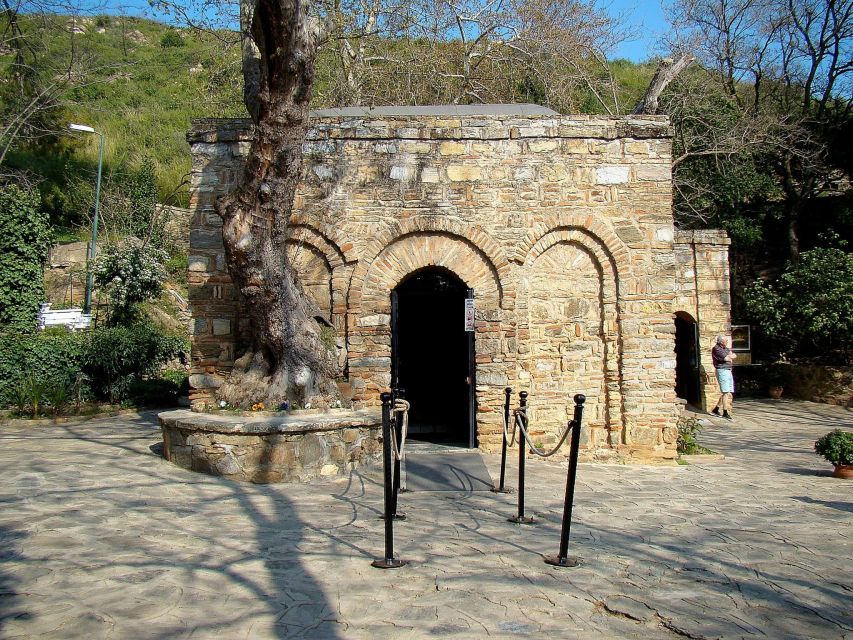
You’re visiting Konya as part of the itinerary, though the exact sites aren’t listed in the details you provided. What I can say from the structure of the trip is that Konya likely functions as a pacing shift between Cappadocia’s landscapes and the Roman/Byzantine-to-Ottoman layers you see later on.
This is one reason I like tours like this for mid-range travelers. You don’t just stack sights back-to-back. You shift regions, foods, and even the rhythm of your day. That’s how you avoid the “everything looks the same” trap by Day 6.
If Konya is a must for you, double-check what’s included for that portion after booking details are emailed to you, since the specifics aren’t detailed in the information provided.
Pamukkale: thermal terraces with a time-management reality check
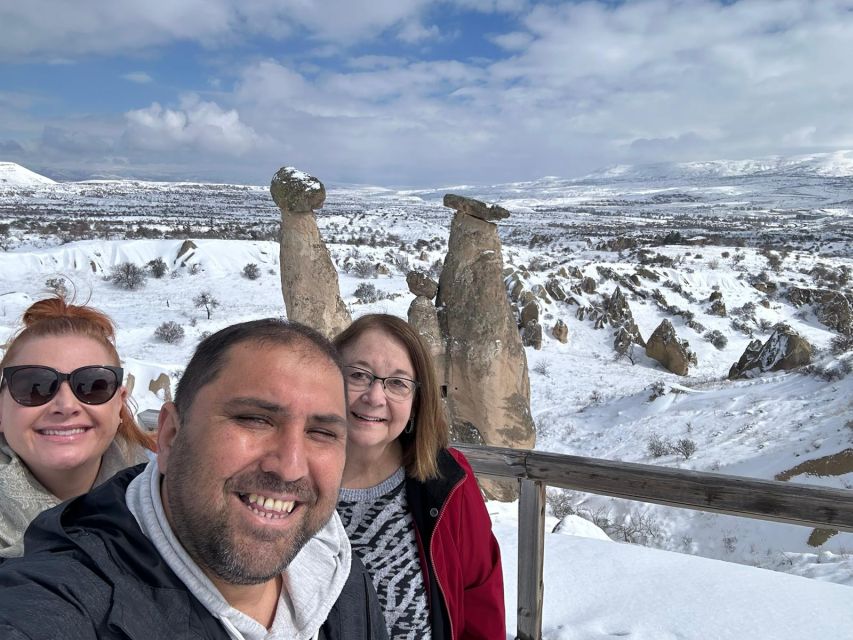
Pamukkale is the place most people picture first. The tour includes hotels in the area such as Colossae Thermal or Pam Thermal Hotel (or similar), and it lists dinner included in Pamukkale.
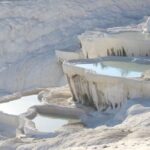
The opportunity here is obvious: you get the chance to see the famous white terraces and the thermal setting that makes Pamukkale feel otherworldly. The practical reality is that Pamukkale is also a popular, timed-experience stop. In one critique, someone felt the time there was less than ideal to fully enjoy and see everything.
So if you’re a slow wanderer—someone who likes to linger at viewpoints and not just photograph and move on—plan mentally for that timing constraint. You’ll likely have more time for the big visuals than for deep exploration, unless the day’s schedule allows extra strolling.
Also watch lodging feel. One review complained that the Pamukkale hotel area felt crowded and that after receiving keys, they were on their own. That’s not guaranteed, but it’s a reminder to check whether your chosen room location is convenient for early terrace access.
Ephesus: one of Turkey’s clearest “wow” days
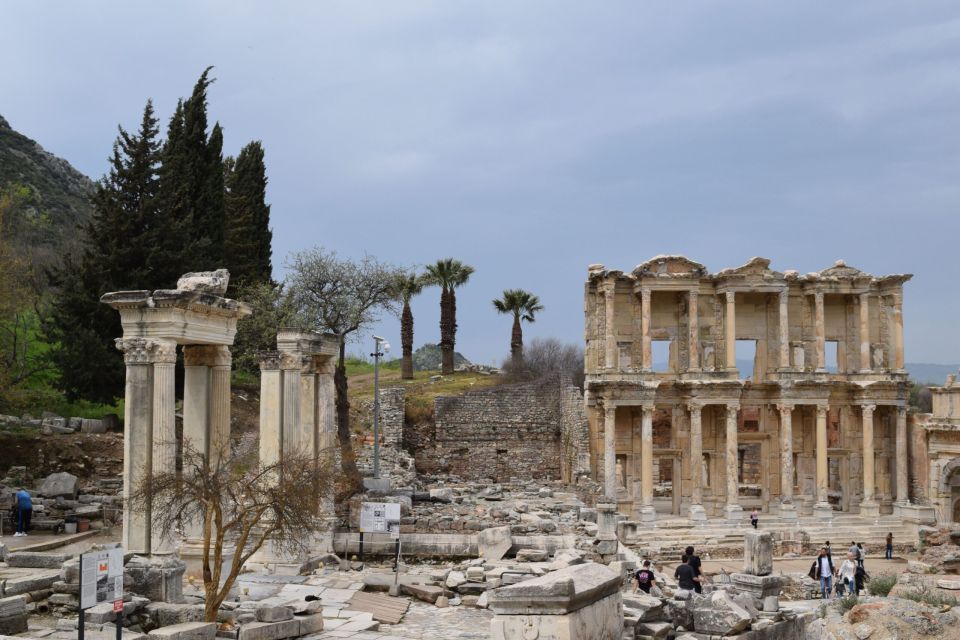
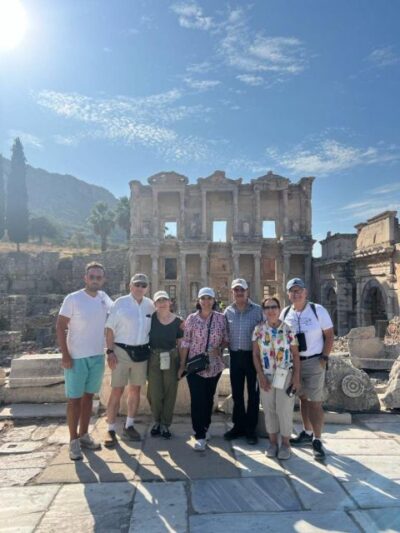
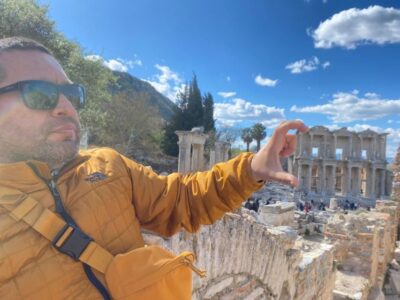
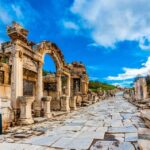
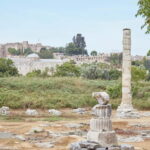
The itinerary includes visiting the ancient site of Ephesus, with hotel base in Kusadasi (for example, Elite World or Efe Butik or similar). This pairing is practical because Ephesus is a day-trip kind of experience: you want to sleep near the action, then go in with energy and return without long commutes.
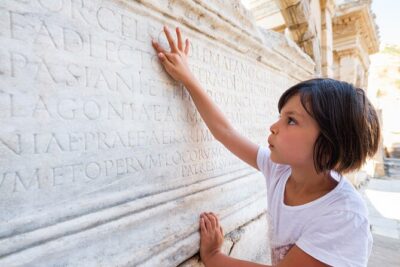
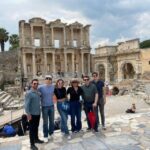
Ephesus tends to reward you when you have a guide. The scale is massive, and without context you can miss the real logic of the city layout. With the structure of this tour, you’re not just walking through ruins. You’re getting commentary that helps you connect streets, monuments, and the overall civic design.
If your top priority is Ephesus alone, this tour works well because you don’t have to coordinate transit and ticketing. You also get included entry fees and skip-the-ticket-line handling, which saves time during peak hours.
Hotels, transport, and the small comforts that matter
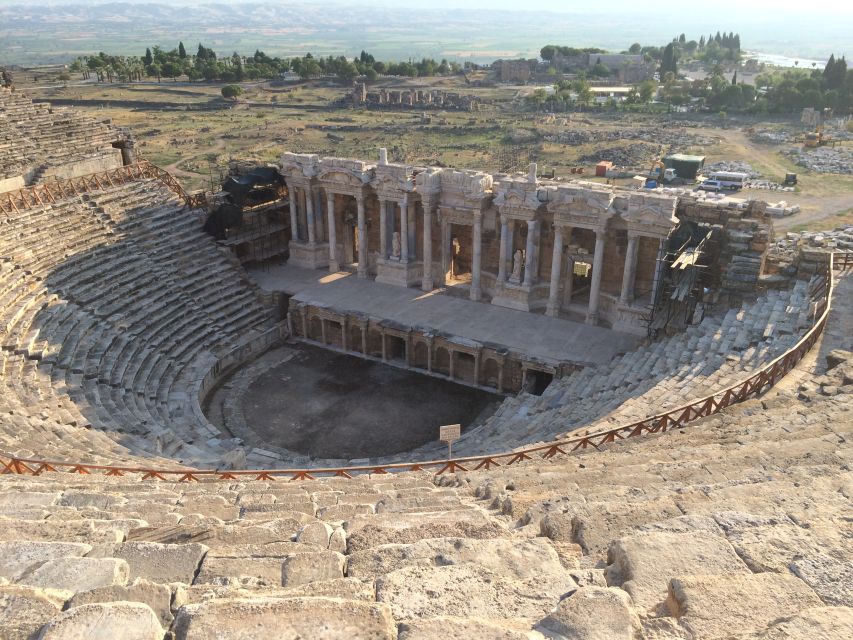
This tour is heavy on included logistics, and that’s where you tend to feel the difference between a stress-free trip and a “why did I book this” trip.
You’ll have:
- 7 breakfasts included
- 2 dinners included (Kusadasi and Pamukkale)
- Airport transfers by private vehicle
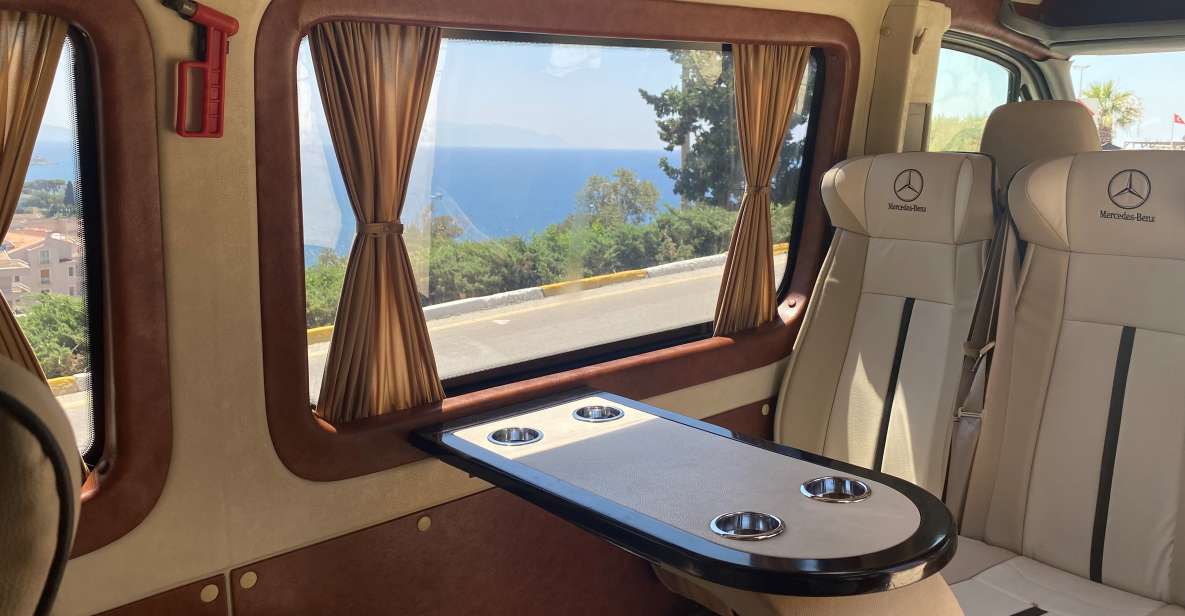
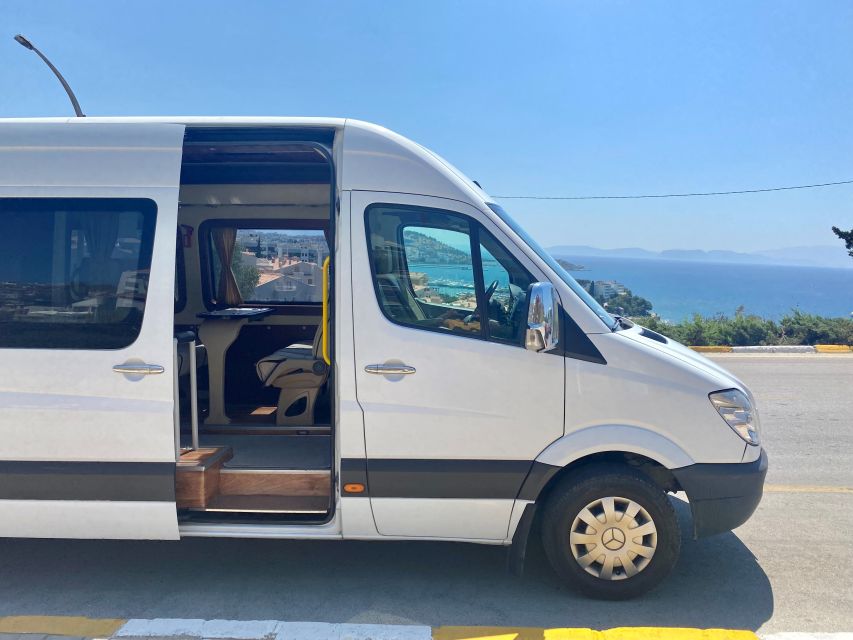
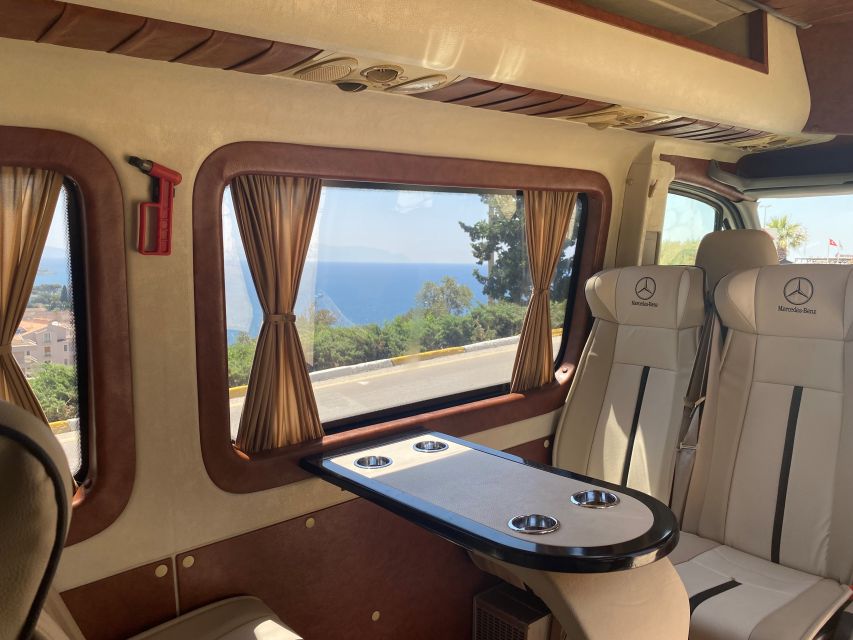
- Transportation by air-conditioned vehicle
- 2 dinners that reduce your daily decision fatigue
In reviews, people praised how quickly they got in using the arranged tickets and how the same driver and vehicle were used for multiple days. That consistency is a real quality-of-life perk when you’re moving across regions.
A caution from one review: air-conditioning in the vehicle wasn’t working well during a stretch of days. That’s not something you can fully control, but it’s worth noting if you travel in hot months. Pack a light layer anyway.
Guides and what you can learn fast
English live guiding is included, and reviews name several guide types you might encounter. People mentioned Leyla for Istanbul, and Sinan for later days. Others credited Gurkan and Nahide, plus Fevzi for coordination and day-to-day communication.
What that means for you: good guiding here isn’t just facts. It’s time-saving. When someone can point out what matters and help you avoid wasted steps, your days feel fuller without being exhausting.
Also, the tour’s setup includes meeting your guide at the Istanbul port or hotel with a sign showing your name. That reduces the awkward “find the office” problem that can ruin first-day energy.
Price and value: what $1,579 really covers
Let’s talk value honestly. At $1,579 per person for 8 days, you’re paying for a stack of included items that are expensive when booked separately:
- 7 nights accommodation (boutique Istanbul hotels and cave stays in Cappadocia)
- Domestic flights (Istanbul to Cappadocia and Izmir to Istanbul)
- Entry fees to listed sites
- Licensed English guides
- Hotel and airport transfers plus ground transport
Then add the convenience layer: skip-the-ticket-line handling and included breakfasts. You’ll still spend on lunch and drinks, plus dinners in Istanbul and Cappadocia are not included. But compared to piecing everything together, this can be a clean deal—especially if you’d otherwise lose time coordinating connections.
The main “value risk” is personal preference. If you dislike shopping stops or crafting sessions, the tour may feel like it spends time where you’d rather just see more. One suggestion in a review asked for fewer pottery and carpet sessions because they felt repetitive.
Who this tour fits best (and who should think twice)
This is a great fit if you:
- Want Istanbul plus inland highlights without planning daily transportation
- Like having guides explain what you’re seeing (and saving time on tickets)
- Are happy with boutique hotels and cave lodging as part of the experience
Think twice if you:
- Prefer ultra-flexible days with long free time blocks
- Want to avoid any shopping or craft workshops
- Are sensitive to time limits at major sights like Pamukkale
One more important line: the tour is not suitable for wheelchair users, based on the provided information.
Should you book it?
Yes, if you want a well-paced “big sights + regional variety” itinerary with included entry fees and flights that protect your time. The route hits the monuments most people dream about—Hagia Sophia, Topkapi (including Harem), and Ephesus—then adds Cappadocia cave hotels and Pamukkale’s thermal landscape.
Book with the right expectations. Bring headphones for St. Sophia, wear good shoes, and remember that lunch and drinks won’t be included every day. If you’re hoping for a perfectly quiet, no-shopping trip, consider what you can tolerate.
FAQ
Are entrance fees included?
Yes. Entrance fees to the listed sites are included, and the tour also notes no hidden fees for those ticketed stops.
Is the hot air balloon ride included in the price?
No. A hot air balloon ride is listed as available at extra cost.
What’s included for meals?
You get 7 breakfasts. There are also 2 included dinners, specifically in Kusadasi and Pamukkale. Lunch and drinks are not included, and dinners in Istanbul and Cappadocia are not included.
Will I be able to get into Hagia Sophia, and how does the new rule work?
After Jan 15, 2024, live guiding is not allowed inside Hagia Sophia. You’ll need your smart phone and headphones during the visit. If you don’t have headphones, you can buy them at the entrance.
How do the domestic flights work?
Domestic flights are included: Istanbul to Cappadocia and Izmir to Istanbul. The tour also notes that routing can be re-arranged between Cappadocia and Izmir airports depending on availability and public holidays.
Is this tour wheelchair accessible?
No. It is not suitable for wheelchair users.