REVIEW · EPHESUS TOURS
From Kusadasi: Ephesus and Pamukkale 2 Day Private Tour
Book on GetYourGuide →Operated by Moira Travel Agency · Bookable on GetYourGuide
Two ancient worlds in two days. This private Kusadasi tour strings together two of Turkey’s biggest hits—Ephesus and Pamukkale—so you don’t waste time choosing between them. I love how Ephesus is guided with context, so big ruins connect to real Roman and early Christian life. I also like the Pamukkale moment: walking the travertines and feeling the natural warmth under your feet. The main drawback to plan around is that some essentials aren’t included, including entrance fees and lunch, and the sun at Pamukkale can feel relentless.
What makes it work especially well for a short visit is the pacing and the logistics: you get pickup in Kusadasi or Selçuk, comfortable air-conditioned transport, and a licensed English-speaking guide handling the heavy lifting of timing and interpretation. If you want the optional swim, you’ll need to arrange it yourself since it’s not included—and remember you’re spending long stretches walking on uneven stone.
In This Review
- Key highlights worth your attention
- Two Days, Two Icons: How Ephesus and Pamukkale Fit Together
- Day 1 in Ephesus: Amphitheater, Baths, Agora, and the Big Names
- The Carpet Workshop Stop: A Cultural Detour That’s Actually Useful
- Day 2 to Pamukkale: A 3-Hour Drive With a Breather
- Pamukkale’s White Terraces: Why the Hot Springs Change Everything
- Hierapolis Ruins and the Necropolis Scale
- Optional Ancient Pool Swim: The One Choice That Can Change the Feel of the Day
- Price and Value: What You’re Paying For
- Guide Quality Matters: Erdem, Yesra, Murat, and Alex as Proof Points
- Comfort, Timing, and What to Bring (So You Don’t Suffer for History)
- Mobility and Suitability: Check Before You Commit
- Who This Private Ephesus and Pamukkale Tour Fits Best
- Should You Book This Tour?
- FAQ
- How much does the 2-day private tour cost?
- Where do you get picked up?
- How long is the drive between Ephesus and Pamukkale?
- Is lunch included?
- Are drinks included?
- Are entrance fees included?
- Can you skip the ticket line?
- Is there an optional swim in Pamukkale?
- What’s the language of the guide?
- Is the tour wheelchair accessible?
- FAQ
- How far in advance can I cancel for a full refund?
- What should I bring for the tour?
- Is the order of the itinerary fixed?
- Is this tour limited to private groups?
Key highlights worth your attention
- Skip-the-line entry so you lose less time to ticket lines
- Two top sites in one trip: Ephesus plus Pamukkale/Hierapolis across 2 days
- Barefoot travertines in Pamukkale and a sense of the hot springs at work
- Hierapolis necropolis ruins—huge cemetery scale, not just a quick stop
- Carpet and rug artisan stop near Ephesus for hands-on local culture
- Private group pickup from Kusadası or Selçuk for a cleaner day-one start
Two Days, Two Icons: How Ephesus and Pamukkale Fit Together
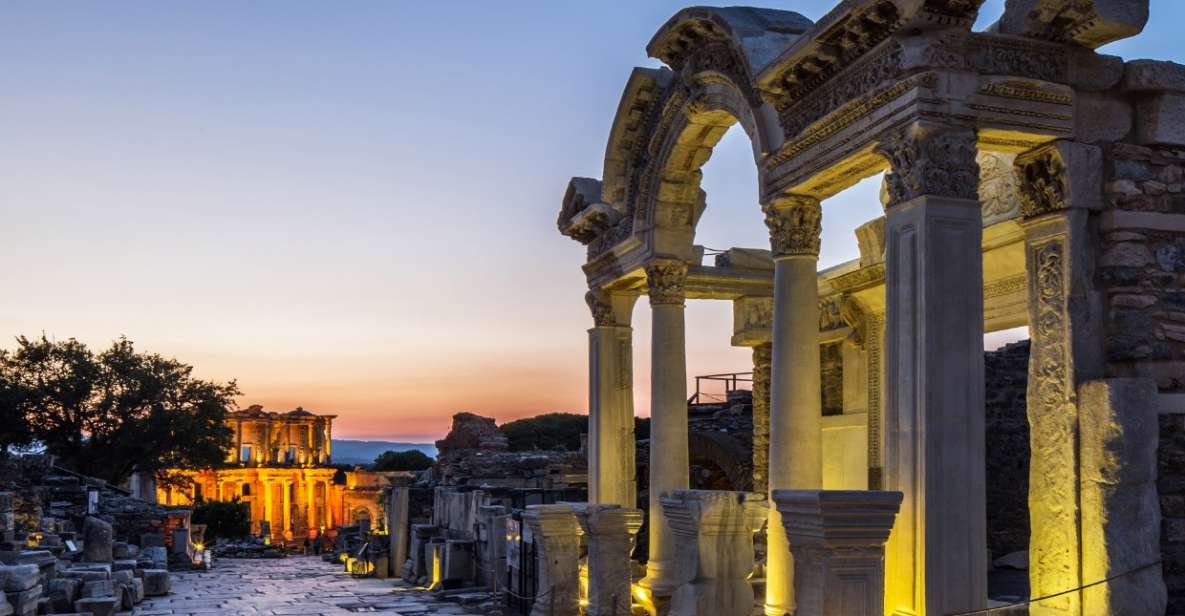
This is a smart pairing. Ephesus gives you a Greco-Roman city scale that’s hard to beat. Pamukkale gives you a natural spectacle that looks almost unreal until you’re standing on it.
You’re also getting a guided route that matches how most visitors actually experience these places. Ephesus is made for walking and reading the building blocks of the ancient world—amphitheater, temples, baths, agora, and the big religious signals. Pamukkale is made for slow steps, careful footing, and time to understand why the white terraces exist in the first place.
Because it’s private (or small group, depending on option), you can usually keep your questions moving and adjust your pace. That matters here. Both sites reward staying present. If you rush, you’ll miss the “why” behind the views.
You can also read our reviews of more private tours in Kusadasi

Day 1 in Ephesus: Amphitheater, Baths, Agora, and the Big Names
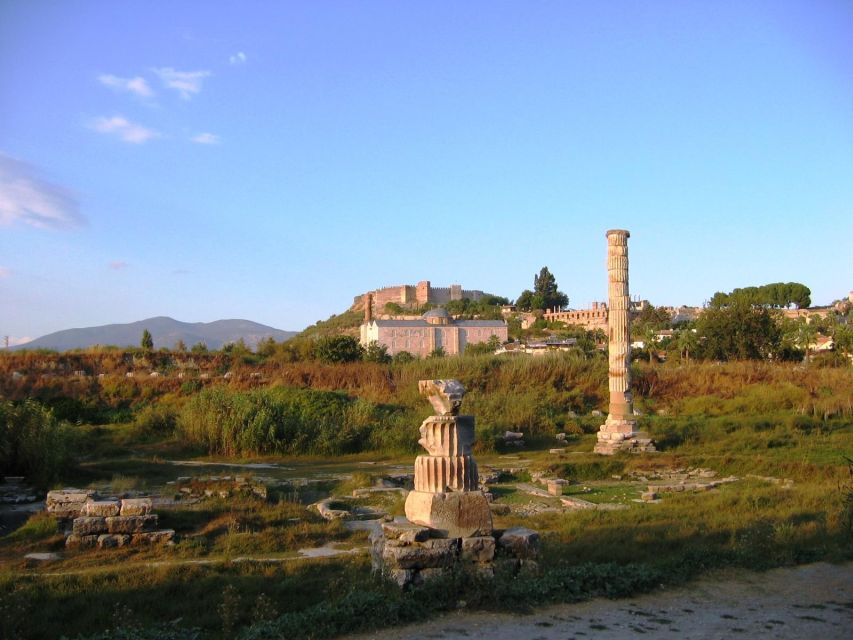
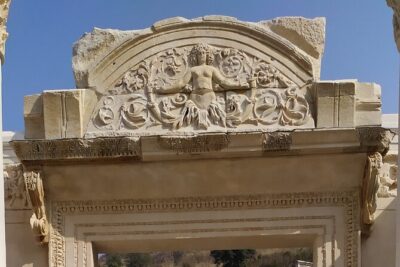
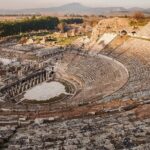
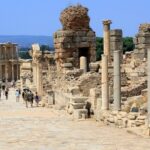
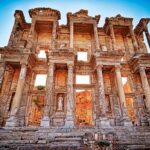
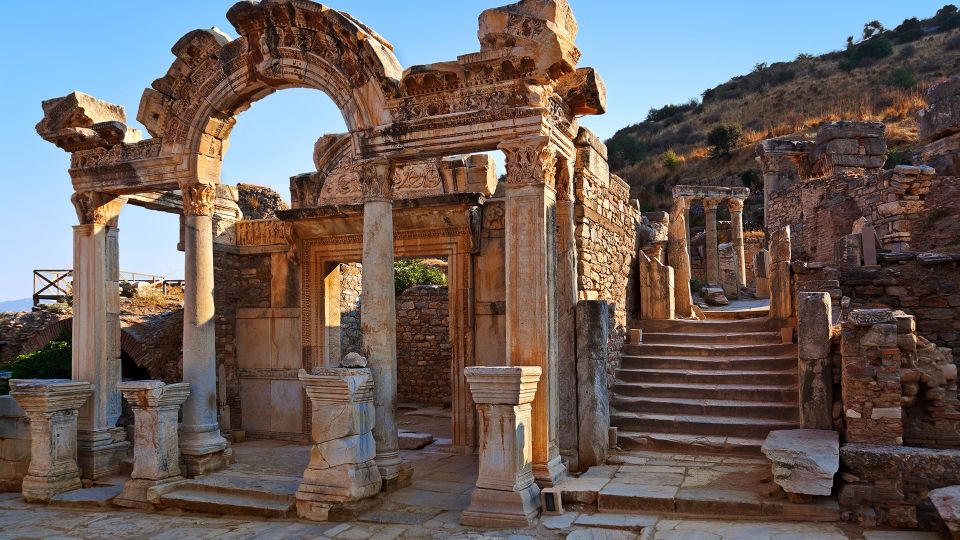
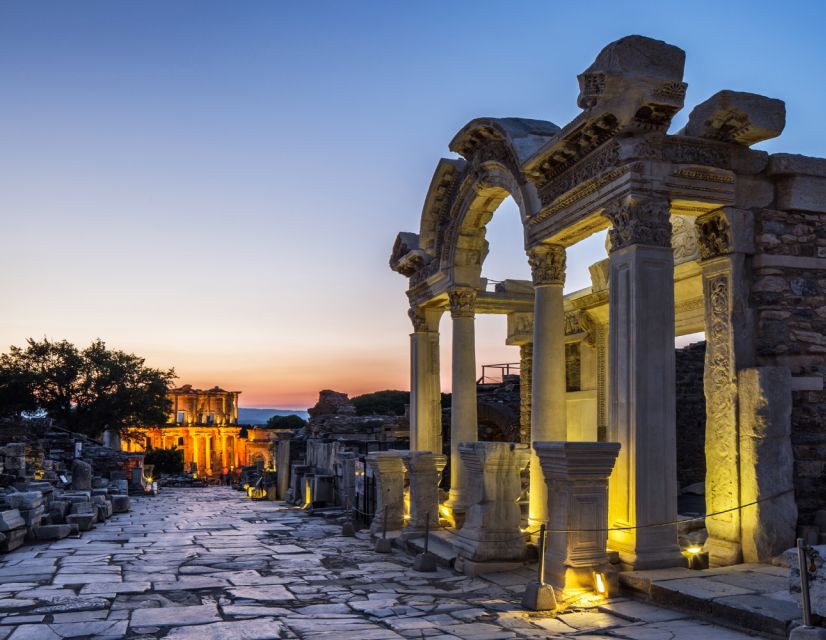
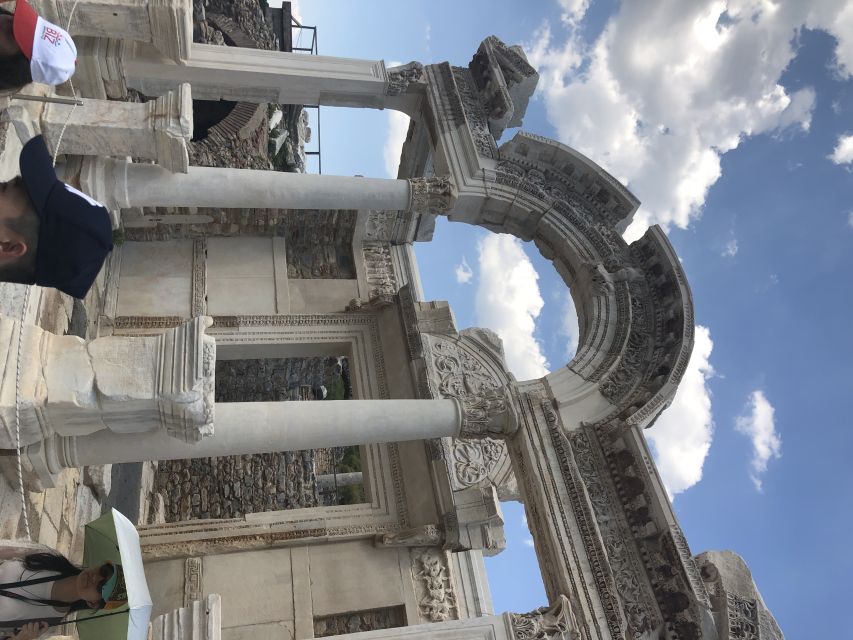
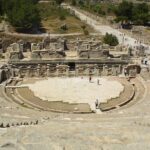
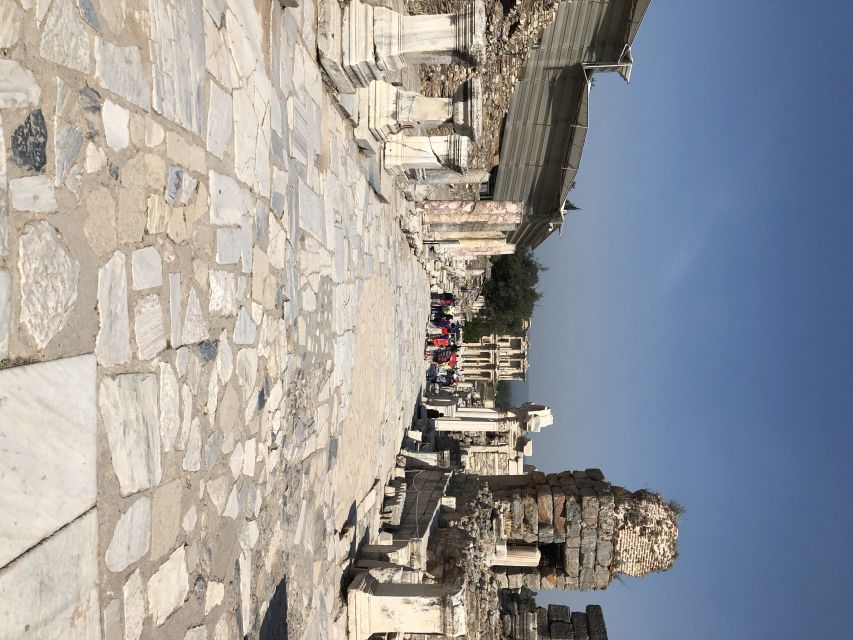
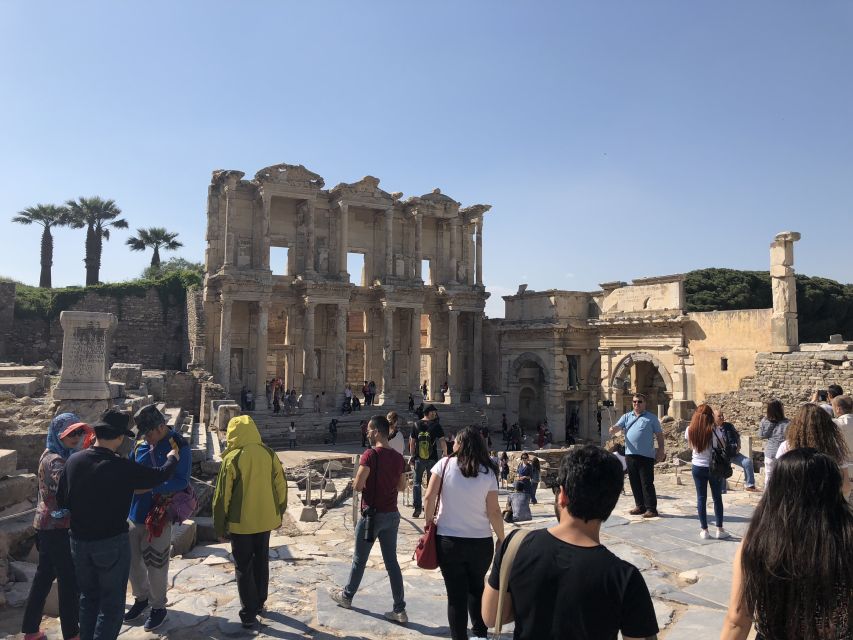
Day one is all about Ephesus, and it’s a strong start. You meet your guide and drive in, then tour the city’s most recognizable pieces: amphitheater, ancient temples, Roman baths, agora, and an ancient library.
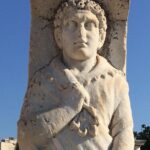
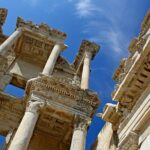
If you like when ruins feel more than just pretty stones, this is where the guide helps most. One example from a previous group: Erdem Eryılmaz led a tour that highlighted the Library of Celsus and the Temple of Artemis. Those are the kinds of anchor stops that let the rest of Ephesus make sense. The library isn’t just an object; it’s a clue to how public life, learning, and civic pride worked. Artemis isn’t just a famous name; it’s a pointer to why this region mattered religiously and politically.
Ephesus also connects to early Christianity. The tour description frames the area as a pilgrimage center for Christians. That matters because it changes how you look at the city. You’re not only admiring Roman architecture—you’re watching layers of meaning stack up over centuries.
Practical note: Ephesus involves quite a bit of walking, and some surfaces can be uneven. Wear shoes you’ve already broken in. You’ll be glad you did when your feet are deciding whether they’re having a fun day or a long day.
The Carpet Workshop Stop: A Cultural Detour That’s Actually Useful
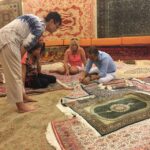
After Ephesus, you’ll have lunch at a local spot and then visit local artisans working on handmade carpets and rug art. It’s not just a generic shopping stop in spirit. The idea is to see the craftsmanship process and understand the human side of what you might later recognize as Turkish rug patterns.
This is where the tour can add value beyond the archaeology. Ephesus gives you the Roman world and Pamukkale gives you geology. The carpet stop gives you today’s region. It also helps you think about how skills pass through generations, not just how monuments were built.
If you’re hoping for a quick photo-and-go, keep your expectations realistic. Give it the same attention you give the ruins. The best moments here are usually the small ones: watching the hands, asking how patterns are chosen, and learning what makes a piece take time.
A small heads-up: in one past tour experience, there were minor hiccups around lunch and admission payments. That doesn’t mean the whole day falls apart—but it’s a reminder to bring some flexibility and keep a little cash or card buffer for anything not included.
Day 2 to Pamukkale: A 3-Hour Drive With a Breather
Day two starts with a drive from the Ephesus area to Pamukkale. You’re looking at about 3 hours of driving, with a break.
That break is key. Pamukkale is the kind of place where you’ll want your energy. After you arrive, the day isn’t mostly bus rides and sitting. You’ll explore the ancient city ruins in the Hierapolis area and then spend time on the travertines.
If your schedule is tight, this setup still makes sense. You get the time off the road up front, then the walking happens once you’re there.
Pamukkale’s White Terraces: Why the Hot Springs Change Everything
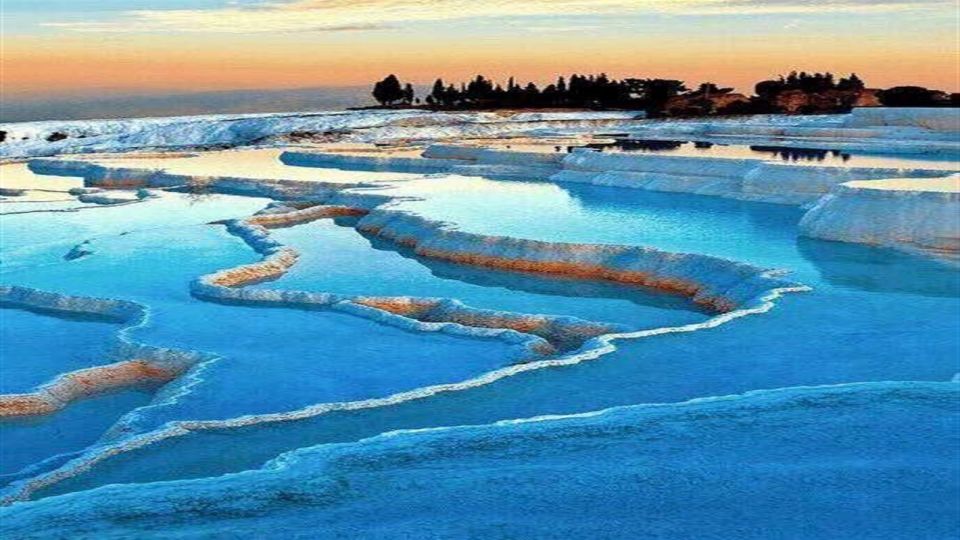
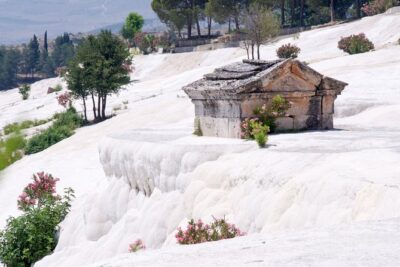
Pamukkale is the star show. You’ll visit the white terraces and explore for a few hours. The travertine terraces are described as a huge mineral wonder with spring-fed sources along a white cliffside.
What hits you is how the mineral water and the terrain work together. You’re not just seeing a pretty cliff. You’re seeing the result of hot springs doing slow work over a long time.
Here’s the best practical part: you can walk on the travertines barefoot, feeling the warmth of the natural springs as you go. That turns a viewpoint into a physical experience. It’s also why timing and comfort matter. You’ll want clean, careful footing and a calm pace.
Shade can be limited, so bring sunscreen and plan for sun protection. Even if the temperature is manageable, the glare and heat can wear you down faster than you expect.
You can also read our reviews of more tours and experiences in Kusadasi
Hierapolis Ruins and the Necropolis Scale
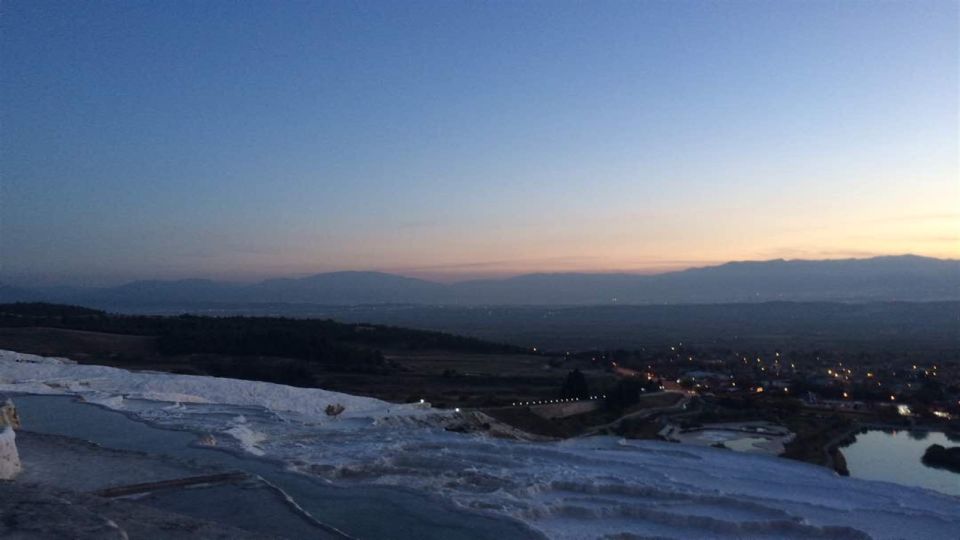
After the terraces, the tour continues in Hierapolis. You’ll walk the ancient city ruins, see the huge necropolis, and explore the ruins while still feeling that warm spring effect underfoot.
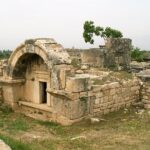
The necropolis is the wow moment for many people, and it’s easy to understand why. You’re seeing a cemetery on a massive scale, where architecture, stone pathways, and the density of tomb areas create a strong sense of how crowded ancient life and death could be.
This is also where a guide’s storytelling helps you avoid treating it like a generic ruin walk. The tour mentions an ancient pool that may be connected to the Temple of Apollo, and the idea of swim-through-antiquities gets people thinking about why the area was spiritually and socially significant.
As you’re walking, keep an eye out for how the terraces and the ruins relate. Pamukkale isn’t only natural. It’s natural plus human layers.
Optional Ancient Pool Swim: The One Choice That Can Change the Feel of the Day
You can take a refreshing dip in the spring-fed area. The description calls it a naturally heated pool, and it’s also described as being spotted with underwater fragments of ancient marble columns. The pool is presented as possibly associated with the Temple of Apollo, giving today’s visitors a rare chance to swim with antiquities.
Important for planning: the swim is optional and not included. So you’ll want to decide early whether you’re doing it, then manage your time around it. If you do swim, remember you’re adding a new activity to an already walking-heavy day.
Also, the pool idea sounds romantic, but treat it as practical too: expect to manage water time, footing, and any rules on where you can go.
Price and Value: What You’re Paying For
At $650 per group up to 5 people for a 2-day private tour, the value comes down to what’s included and what you’ll likely still pay.
Included:
- professional licensed guide
- air-conditioned vehicle transportation
- professional driver
Also helpful:
- pickup included in Kusadası or Selçuk
- skip the ticket line
Not included:
- lunch
- drinks (unless specifically mentioned)
- entrance fees
So you’re paying mainly for guide time, coordination, and reduced hassle. For two major sites across two days, that can be cost-effective compared with piecing together separate tours or doing it all independently and losing time to tickets and logistics.
Where you should be careful is budgeting the extras. Entrance fees and meals can add up. If you’re traveling as a group, this tends to work out better because the per-person cost drops fast with a full group. If you’re traveling solo, it might still be worth it, especially if you value skip-the-line guidance and a smooth pickup.
In one past experience, a solo traveler felt comfortable with extra time at Ephesus. That’s a great example of the real value of private pacing: you’re not forced into the same stampede schedule as everyone else.
Guide Quality Matters: Erdem, Yesra, Murat, and Alex as Proof Points
This tour’s success often comes down to the guide. The available guide names from past experiences show different styles, but the common thread is that they explained what you were seeing and made the day feel organized.
- Erdem Eryılmaz is mentioned for expert guidance and advocacy for preservation. That focus matters in Ephesus, where parts of the city feel fragile and you’ll want to understand what you’re meant to protect and respect.
- Yesra guided a Pamukkale/Hiearapolis day with attention to terraces and Hierapolis ruins.
- Murat is described as knowledgeable and comfortable-making, with added explanations across stops.
- Alex is praised for clear English and detailed information, plus for giving a solo visitor ample time to enjoy Ephesus.
The takeaway for you: if you care about understanding what you’re seeing—not just checking boxes—this tour can deliver. A good guide turns famous stones into a story you can retell later.
Comfort, Timing, and What to Bring (So You Don’t Suffer for History)
Comfort isn’t a luxury here. It’s part of the experience.
Bring:
- sunglasses
- hat
- plenty of sunscreen
- comfortable shoes
Shade can be limited. That’s a big deal at Pamukkale, where the terraces encourage long viewing and slow walking. If you forget sunscreen, you’ll feel it the rest of the day.
Wear footwear you can handle on uneven stone. Ephesus is a lot of walking. Pamukkale adds barefoot time on travertines for those who choose it, which means you’ll also want to keep your feet comfortable and protected before and after.
One more thing: the itinerary order may vary to avoid traffic congestion. That’s normal. It usually means you get a smoother day rather than arriving at the hottest/most crowded times.
Mobility and Suitability: Check Before You Commit
The tour description includes wheelchair accessibility, but it also notes it isn’t suitable for people with mobility impairments. That contradiction is something you should take seriously.
If mobility is a concern for you, ask the operator for specifics about walking surfaces, time on foot, and whether you can comfortably join both days’ major stops (Ephesus walking plus Pamukkale terraces and Hierapolis ruins). Don’t assume accessibility means easy.
Also note that you’re skipping long ticket lines, but you’re not skipping the walking. If your limits are moderate, this might still be doable with the right pacing. If your limits are strict, plan differently.
Who This Private Ephesus and Pamukkale Tour Fits Best
I’d send you on this tour if:
- you have limited time and want two major sites in one structured trip
- you prefer a licensed guide with an English-speaking explanation
- you like a mix of big-ticket monuments (Ephesus) and natural spectacle (Pamukkale)
- you appreciate small culture stops, like the carpet artisan visit
- you’re traveling with up to 5 people and want privacy without full DIY stress
You might choose differently if:
- you want fully included meals and don’t want to think about extra costs
- you’re very sensitive to sun and long walking days
- your mobility needs require more customization than the standard route can handle
Should You Book This Tour?
If you want a clean, guided two-day route that connects Ephesus and Pamukkale without you wrangling logistics, I think this is a strong option. The biggest reasons are simple: the skip-the-line setup, the licensed guide, and the pairing of Roman city scale with Pamukkale’s spring-powered terraces.
I’d book it especially if your priority is understanding what you’re seeing, not just taking photos. Just budget for entrance fees and lunch, pack sun protection like it’s a mission, and confirm mobility suitability if that’s relevant for you.
FAQ
How much does the 2-day private tour cost?
It’s listed at $650 per group, up to 5 people, for 2 days.
Where do you get picked up?
Pickup is included from your hotel or from the port in Kusadası or Selçuk.
How long is the drive between Ephesus and Pamukkale?
The drive to the Pamukkale area is about 3 hours, with a break.
Is lunch included?
Lunch is not included.
Are drinks included?
Drinks are not included unless specifically mentioned.
Are entrance fees included?
Entrance fees are not included.
Can you skip the ticket line?
Yes, the tour includes skip-the-ticket-line service.
Is there an optional swim in Pamukkale?
Yes, you can swim in the ancient pool if you want, but it’s not included.
What’s the language of the guide?
The tour is guided in English.
Is the tour wheelchair accessible?
Wheelchair accessibility is listed, but it also notes that it is not suitable for people with mobility impairments. If mobility is a concern, check with the operator before booking.
FAQ
How far in advance can I cancel for a full refund?
You can cancel up to 24 hours in advance for a full refund.
What should I bring for the tour?
Bring sunglasses, and plan for sun protection since shade is limited. Comfortable shoes and a hat are recommended.
Is the order of the itinerary fixed?
The order can vary to avoid traffic congestion, and it can also be changed to meet your needs.
Is this tour limited to private groups?
It’s described as a private group option (and also offered as a private or small group option).