REVIEW · EPHESUS TOURS
2 Days Pamukkale – Ephesus Tour
Book on Viator →Operated by High Hill Travel · Bookable on Viator
Ancient ruins, then warm white terraces. This 2-day Pamukkale and Ephesus tour strings together two of Turkey’s biggest name-history stops in a tight, easy-to-follow plan. I love the sheer convenience of a private setup with pickup plus a mobile ticket, and I love that the itinerary touches the headliners: the Temple of Artemis, Ephesus, Meryemana, Hierapolis, Cleopatra Pools, and the Pamukkale thermal area. One thing to keep in mind: each stop is listed at about 1 hour, so it’s fast-paced compared with slow museum-style touring.
You’re also dealing with one reality of Pamukkale: this experience requires good weather. If the weather doesn’t cooperate, you’ll be offered a different date or a full refund, which is a fair trade. At $550.27 per person, you’re paying for a packaged, logistics-light way to cover a lot of ground without you having to stitch the route together yourself.
In This Review
- Key highlights at a glance
- Two Wonders in One: Pamukkale and Ephesus Without the Chaos
- Day 1 Stops: Temple of Artemis, Ephesus Ancient City, and Meryemana
- Temple of Artemis: Seven Wonders energy in one hour
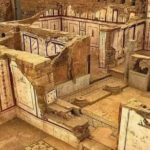
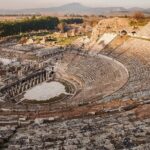
- Ancient City of Ephesus: Where you feel the size right away
- Meryemana (House of Virgin Mary): A quieter reset after big ruins
- Day 2 Stops: Hierapolis, Cleopatra Pools, and Pamukkale Thermal Pools
- Hierapolis Ancient City: Roman-era scale plus a change of pace
- Cleopatra Pools: Named, famous, and built for quick moments
- Pamukkale Thermal Pools and Travertine: The main event
- Price and Logistics: What $550.27 Buys You (and what it doesn’t)
- The Timing Reality: How One-Hour Stops Feel in Ephesus and Pamukkale
- Getting Around, Tickets, and Comfort: Simple Tips That Save the Day
- Who This Private Tour Fits Best
- Should You Book This Pamukkale and Ephesus Package?
- FAQ
- How long is the 2 Days Pamukkale – Ephesus Tour?
- Is pickup offered?
- Is this a private tour?
- Are tickets included or admission free?
- What stops are included on Day 1?
- What stops are included on Day 2?
- Do I need good weather?
- How do I receive my ticket?
- When will I receive confirmation?
- Is the tour flexible to cancel?
- Is the tour accessible for people with service animals?
Key highlights at a glance
- Temple of Artemis: One of the Seven Wonders of the Ancient World, plus an efficient stop that doesn’t waste your day
- Ephesus Ancient City: A major ruins visit built into Day 1, right where it belongs
- Meryemana (House of Virgin Mary): A calmer, faith-focused contrast to the big archaeology sites
- Hierapolis + Pamukkale: Big-picture Roman-era ruins followed by the famous travertine thermal setting
- Cleopatra Pools: A named stop that gives you a quick, photo-ready focus point
- Private tour format: Only your group participates, which usually means less time negotiating the crowd
Two Wonders in One: Pamukkale and Ephesus Without the Chaos
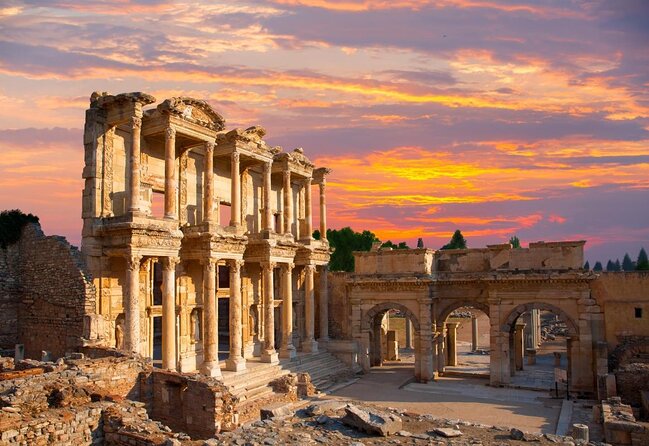
If you only have a short window in Turkey, this kind of route can save your trip. Pamukkale and Ephesus are both major destinations, and they’re different enough that your brain doesn’t get bored: one day feels archaeological and grand; the next day feels like a landscape of terraces and springs.
What I like here is the way the tour is built like a checklist with enough structure to keep you moving. You’re not guessing where to go next, and you’re not stuck figuring out transport between sites. Pickup is offered, and the tour uses a mobile ticket, which cuts down on the usual last-minute stress.
The private-group setup also matters more than people think. Even when you like crowds, ruins days can get tiring fast. Having only your group makes pacing and questions easier, especially at complex sites where you might want clarity on what you’re seeing.
You can also read our reviews of more tours and experiences in Kusadasi
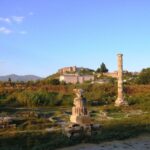
Day 1 Stops: Temple of Artemis, Ephesus Ancient City, and Meryemana
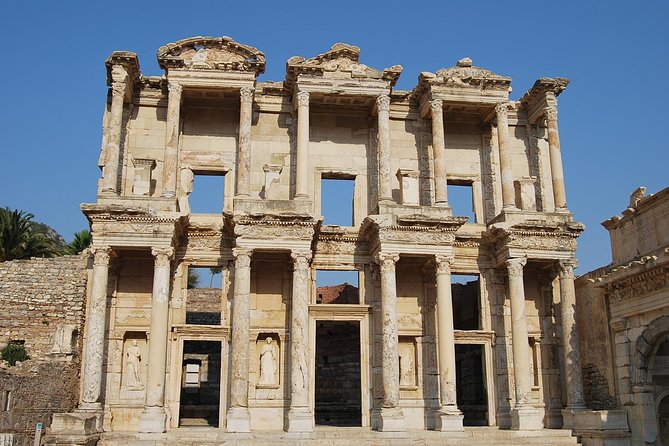
Day 1 is stacked with three very recognizable stops, and it’s designed to hit both scale and variety.
Temple of Artemis: Seven Wonders energy in one hour
The Temple of Artemis is your opening act, and it’s a strong one because it’s tied to the Seven Wonders of the Ancient World. Even if you don’t know the story line, the name alone tells you you’re stepping into something that once mattered globally.
Because this stop is listed at about 1 hour, plan to treat it like orientation plus photos, not like a deep-study session. If you like to read every sign slowly, you might wish you had more time. But if you want the key experience and momentum for the rest of the day, the timing works.
Ancient City of Ephesus: Where you feel the size right away
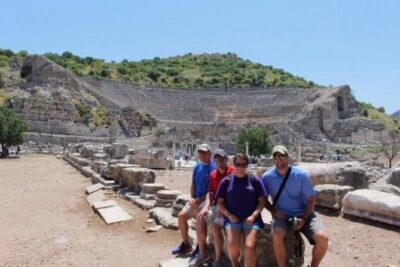
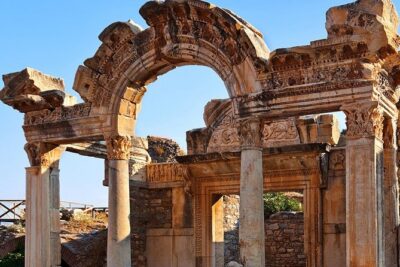
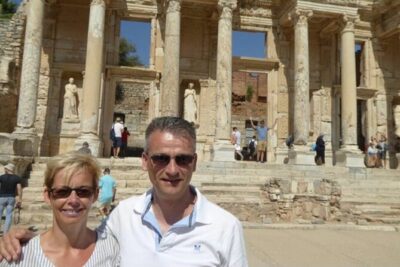
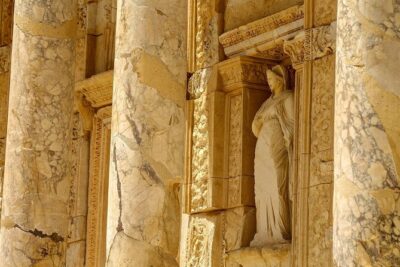
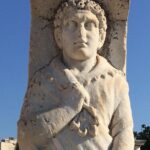
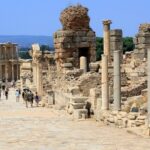
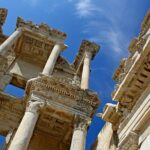
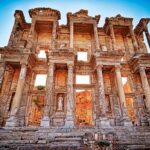
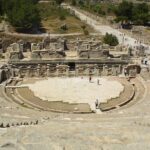
Next comes the Ancient City of Ephesus. This is one of those places where the ruins do a lot of talking even when you’re just walking. The itinerary gives it about 1 hour, which is enough to get a feel for the scale and pick out a few highlights, but not enough to see everything in detail.
My practical advice: arrive with a simple plan for Ephesus. Decide what matters most to you—main streets, key monumental areas, or just soaking up the atmosphere. That way, the time feels intentional, not rushed.
Also, note that the tour lists admission as free for the stop. While you should still be ready for on-site rules and occasional fees that can vary by date and policy, this is a good sign that your major expenses are kept contained.
Meryemana (House of Virgin Mary): A quieter reset after big ruins
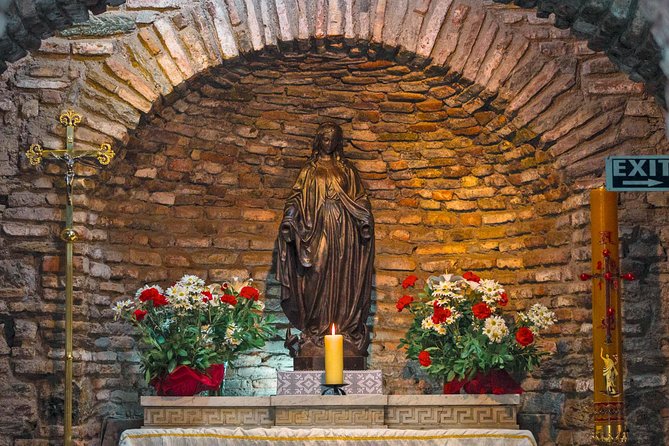
Day 1 ends at Meryemana (The Virgin Mary’s House). This is a smart shift in tone. After the massive feel of Ephesus, this stop gives you a more reflective environment.
It’s also listed at about 1 hour, so you’ll get time to slow down without losing your day. If you’re not traveling with a specific religious interest, don’t worry: you can still appreciate it as a landmark of pilgrimage tradition and historical memory, and it breaks up the intensity of ruins touring.



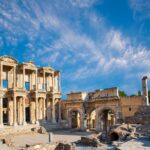
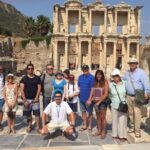
Day 2 Stops: Hierapolis, Cleopatra Pools, and Pamukkale Thermal Pools
Day 2 is where the trip turns into Pamukkale mode: ruins first, then the famed white travertine and thermal water experience.
Hierapolis Ancient City: Roman-era scale plus a change of pace
The first stop is Hierapolis Ancient City, listed for about 1 hour. Hierapolis fits naturally after Ephesus because it keeps you in the same ancient-world theme, but it also shifts the setting. The tour doesn’t ask you to choose between seeing ruins and seeing Pamukkale—it gives you both across two days.
Again, one hour is a teaser rather than a marathon. If you like architecture details and want to read more deeply, you’ll likely wish for more time here. If you prefer a strong overview, this timing can feel perfect.
Cleopatra Pools: Named, famous, and built for quick moments
Next is Cleopatra’s Swimming Pool. This is one of the stops with an instantly recognizable name, and that’s often what makes it worth including—even if you don’t have the full historical context, the area is part of what people come to see in Pamukkale.
Because it’s listed at about 1 hour, aim to use this stop for photos and a short walk-through rather than expecting a long soak or deep exploration. The tour is built to move you efficiently through the Pamukkale highlights.
Pamukkale Thermal Pools and Travertine: The main event
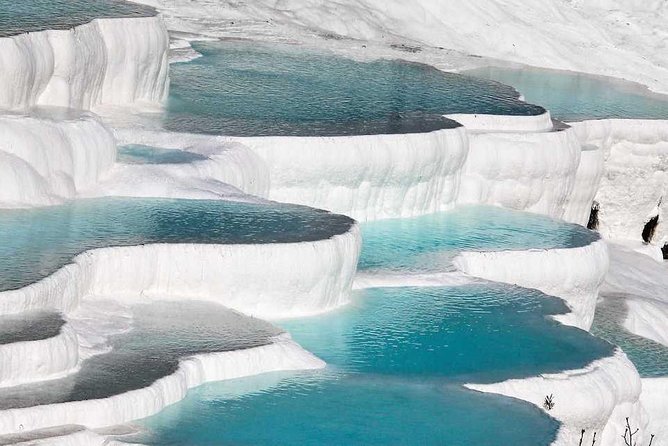
Last stop is Pamukkale Thermal Pools / Pamukkale Travertine, again listed around 1 hour. This is the moment most people are chasing. The travertine and thermal setting is famous because it looks different from normal “museum history.” It’s more like nature + history working together.
A key practical consideration: dress and footwear matter here. You’ll want something you can manage around wet, uneven ground. If you’re the type who likes changing clothes and taking your time, understand that the itinerary time is short—so you’ll be doing a quick, focused visit rather than a long day at the water.
Also, remember the tour has a good-weather requirement. If you’re traveling in a season where weather can be unpredictable, this is one reason to book with a provider that explicitly handles weather-related changes. That safety net is built into the experience terms.
Price and Logistics: What $550.27 Buys You (and what it doesn’t)
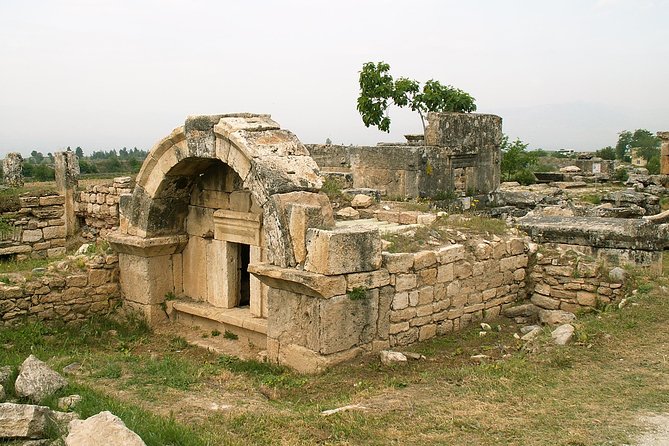
Let’s talk value, not just cost. $550.27 per person for two days is not cheap, but it can make sense if what you value most is not planning.
Here’s what you’re clearly paying for based on the tour info:
- A packed 2-day route covering major stops you’d struggle to connect smoothly on your own
- Pickup offered, which reduces daily friction
- A private tour format, meaning your group follows the schedule together rather than sharing it with random strangers
- Mobile ticket convenience
- Admission listed as free for each listed stop, which helps your budget
What you shouldn’t assume: this is not a slow, multi-hour wandering tour where you can linger endlessly. With about 1 hour per stop, you’re buying efficiency. If you’re the kind of traveler who likes to spend long stretches on one site, you might feel slightly rushed.
Price-fit check: this tour tends to be a good value if you want the headline experiences with minimal hassle, especially if you’d otherwise spend time researching routes, transport options, and timing across two major regions.
The Timing Reality: How One-Hour Stops Feel in Ephesus and Pamukkale
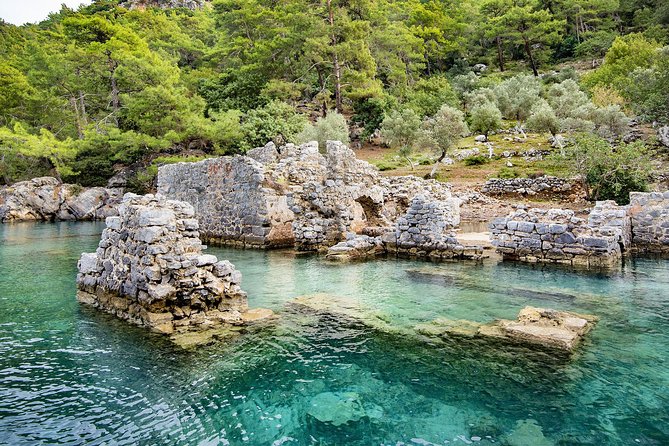
This itinerary is structured like a sprint with smart pacing. Each stop is roughly 1 hour, with your Day 1 focused on Ephesus-related history and religious heritage, and Day 2 focused on Hierapolis then the Pamukkale thermal/travertine areas.
How this plays out for you:
- You’ll get a solid overview and enough time to see what you came for.
- You’ll likely miss out on the slow-browse experience, especially at large ruins.
- You’ll need to move with purpose: comfortable shoes, quick photo routine, and an idea of what you want to spot.
If you hate rushing, you can still do it—but you’ll want to keep your expectations realistic. Think of this as a greatest-hits tour of Pamukkale + Ephesus, not as your one chance for total, full-depth archaeological study.
Getting Around, Tickets, and Comfort: Simple Tips That Save the Day
Even with a guided plan, you can make your day easier with a little prep.
- Use the mobile ticket format smoothly: keep it ready on your phone so you’re not hunting for confirmations at stops.
- Wear comfort-first shoes: ruins can be uneven, and thermal areas can be slick.
- Keep an eye on good weather: the tour depends on it, so plan for flexibility and don’t book nonrefundable connections right next to the tour window.
- Service animals are allowed, and the tour lists that most travelers can participate—so the baseline physical demands are probably manageable, but you’ll still be walking.
One more thing I picked up from how this agency is described in other contexts: High Hill Travel gets praised for organizing trips so you don’t hit problems, and staff names like Sebih show up connected to being a skilled driver and a respectful, fun companion. That kind of steady, human support is exactly what helps a schedule feel smooth, even when you’re moving quickly.
Who This Private Tour Fits Best
This is a strong fit if you:
- Want two iconic destinations in a short time window
- Prefer a private tour where the day follows your group’s pace
- Like history and big-name sites, but don’t want to spend your trip doing transportation math
It’s also a nice match for couples or small groups who want to keep conversation and questions natural rather than squeezed into a big shared crowd.
If you’re the type who loves deep reading, long museum time, or multi-hour wandering at one site, you may feel constrained by the one-hour stop rhythm. In that case, you might want to pair this tour with extra time on your own at a later date, if your schedule allows.
Should You Book This Pamukkale and Ephesus Package?
Yes, if you want an efficient, organized way to see the headline sites in Pamukkale and Ephesus without getting stuck planning routes. The combination of a private setup, pickup, and an itinerary that hits Temple of Artemis, Ephesus, Meryemana, Hierapolis, Cleopatra Pools, and Pamukkale Thermal Pools/Travertine is exactly the kind of value-driven planning that helps you maximize limited time.
Maybe not, if you hate time pressure and want lots of lingering per stop. The schedule is clearly built for coverage, not slow savoring. Also, because the experience requires good weather, build in flexibility if you’re traveling during a season with storms or heavy rain.
If you’re okay with a guided sprint and you’re excited by seeing both ruins and thermal terraces, this is an easy yes.
FAQ
How long is the 2 Days Pamukkale – Ephesus Tour?
It’s listed as approximately 2 days, with each stop around 1 hour.
Is pickup offered?
Yes, pickup is offered.
Is this a private tour?
Yes. It’s described as a private tour/activity, and only your group participates.
Are tickets included or admission free?
The itinerary lists admission ticket as free for each stop.
What stops are included on Day 1?
Day 1 includes the Temple of Artemis, the Ancient City of Ephesus, and Meryemana (the House of Virgin Mary).
What stops are included on Day 2?
Day 2 includes Hierapolis Ancient City, Cleopatra’s Swimming Pool, and Pamukkale Thermal Pools / Pamukkale Travertine.
Do I need good weather?
Yes. The experience requires good weather. If it’s canceled due to poor weather, you’ll be offered a different date or a full refund.
How do I receive my ticket?
The tour includes a mobile ticket.
When will I receive confirmation?
Confirmation will be received at the time of booking.
Is the tour flexible to cancel?
Free cancellation is available up to 24 hours in advance for a full refund, based on the experience’s local time.
Is the tour accessible for people with service animals?
Service animals are allowed, and the tour lists that most travelers can participate. The tour is also stated to be near public transportation.