REVIEW · SELCUK
Kusadasi Port: Private Ancient Ephesus Tour | Skip-the-Line
Book on GetYourGuide →Operated by APS TRAVEL AGENCY · Bookable on GetYourGuide
Ephesus is history you can walk through. This private Kusadasi Port tour brings you straight to skip-the-line entry and then right into the best-known parts of Ephesus, including the Terrace Houses and Celsus Library. It’s built for cruise timing, so you get a lot of meaning from a short day.
I especially like the pacing: about two hours inside the ancient city on marble streets with an English guide focused on what you’re seeing, not just dates. I also like that the tour wraps in the Ephesus Archaeological Museum, where you can switch from ruins to objects. One thing to watch: major entry fees are not included, so your final cost will be higher once you add Ephesus, the museum, and Terrace Houses.
The tour is also a true private setup with pickup and drop-off at the port in an air-conditioned vehicle. Your guide meets you at Kusadasi cruise port using your cruise ship name, which helps the day run smoothly.
In This Review
- Key Things That Make This Ephesus Tour Worth Your Time
- From Kusadasi Port to Ancient Ephesus: Private, Air-Conditioned, On Schedule
- Timing Your Ephesus Walk: Start With the Upper Gate
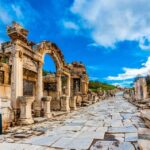
- Marble Streets and Major Stops in Ancient Ephesus
- A practical note on pacing
- Celsus Library and the Big Theater Views
- Terrace Houses: Mosaics, Fountains, and Central Heating
- Ephesus Archaeological Museum: Artemis Statues in Six Chambers
- Temple of Artemis and Photo Angles for St. John and Isa Bey
- Price and Value: What You’re Really Paying for at $71
- What to Bring and How to Prepare for a Comfortable Day
- Who This Tour Suits Best (and Who Might Prefer Something Else)
- Should You Book This Private Skip-the-Line Ephesus Tour?
- FAQ
- How long is the private Ancient Ephesus tour from Kusadasi Port?
- Is pickup and drop-off included?
- Does the price include entry fees?
- Is this tour a private group?
- Does the tour include skip-the-line tickets?
- What should I bring for the tour?
- How does the guide find me at the port?
Key Things That Make This Ephesus Tour Worth Your Time
- Private guide at the port, so you’re not stuck regrouping with strangers
- Skip-the-line entry, which matters a lot on busy cruise days
- Two-hour Ephesus walk on marble streets with clear stop-by-stop context
- Terrace Houses details like mosaics, fountains, and even central heating
- Museum visit with Artemis statues in six chambers, not just an outdoor look
- Photo-friendly add-ons, including angles for St. John and Isa Bey
From Kusadasi Port to Ancient Ephesus: Private, Air-Conditioned, On Schedule
This is the kind of tour I like for port days: simple on paper, organized in practice. You’re picked up at Kusadasi Port by your private English guide, then driven in an air-conditioned, non-smoking vehicle with parking fees taken care of.
Because it’s private, the day feels less like a factory line and more like a guided walk where you can ask questions while you’re standing in front of the thing. The experience is designed to end with prompt drop-off back at the port, so you’re not stuck wondering if you’ll make your ship.
One extra bonus: in one guide report, the vehicle was described as a Maybach limousine. You shouldn’t count on a specific model, but it’s a hint that some days may come with a higher-end ride than you’d expect for a standard “port tour.”
You can also read our reviews of more private tours in Selcuk
Timing Your Ephesus Walk: Start With the Upper Gate
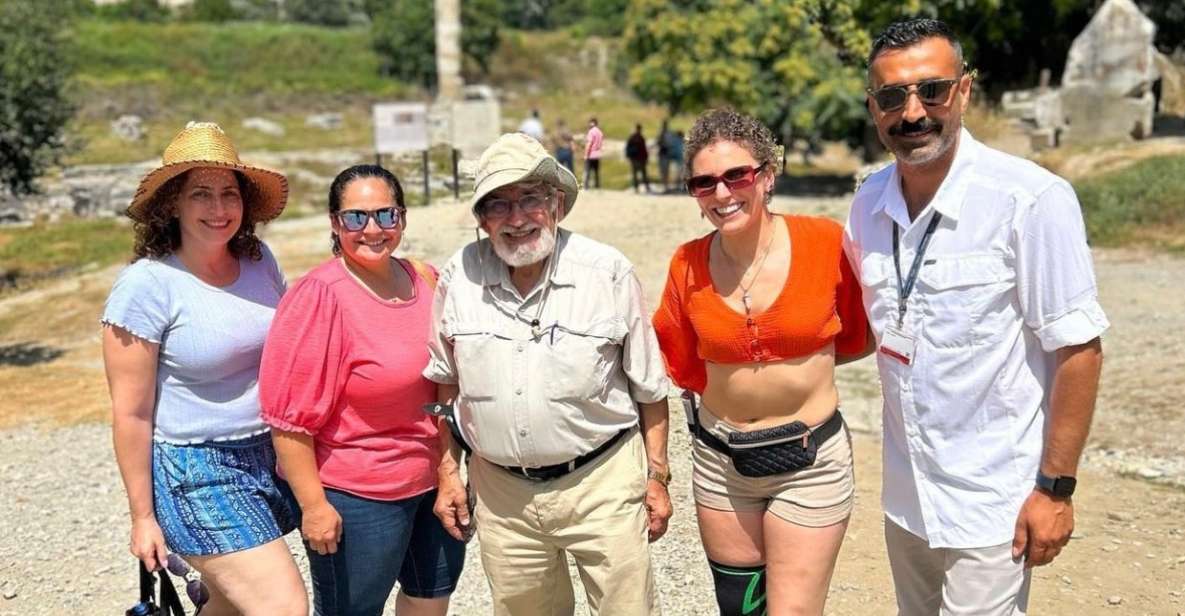
Ephesus is not flat. The site has two entrances and it slopes a bit downhill, so you’ll be happier if you begin from the upper gate. That’s one of those small tips that changes the whole experience: you get the first stretch out of the way, and the walk feels more natural instead of tiring you right at the beginning.
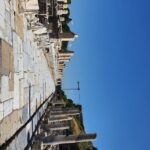
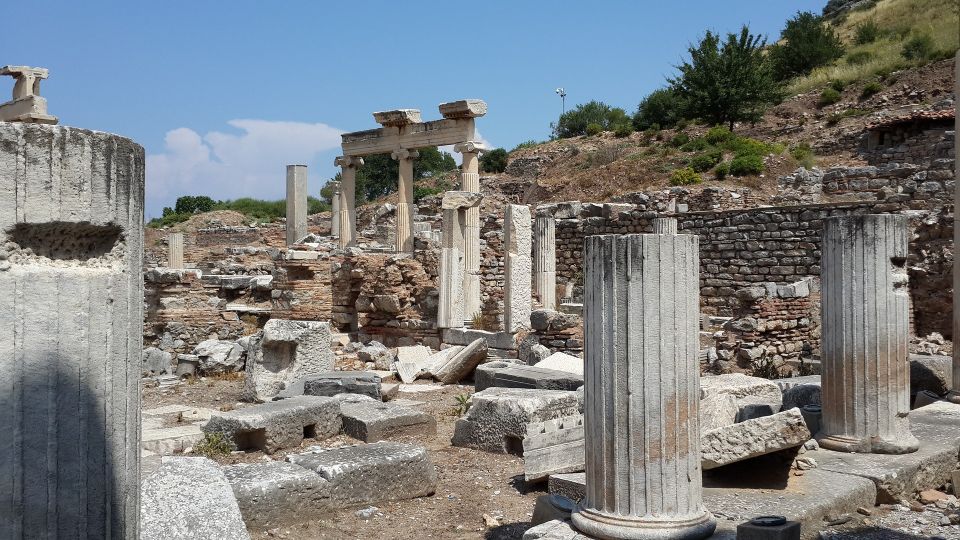
The walk through the ancient city is planned at about two hours, which is a realistic amount of time to see the major pieces without turning the day into a sprint. Expect to keep moving on stone and marble streets, so bring comfortable shoes and plan to pause when your guide points out details.
Marble Streets and Major Stops in Ancient Ephesus
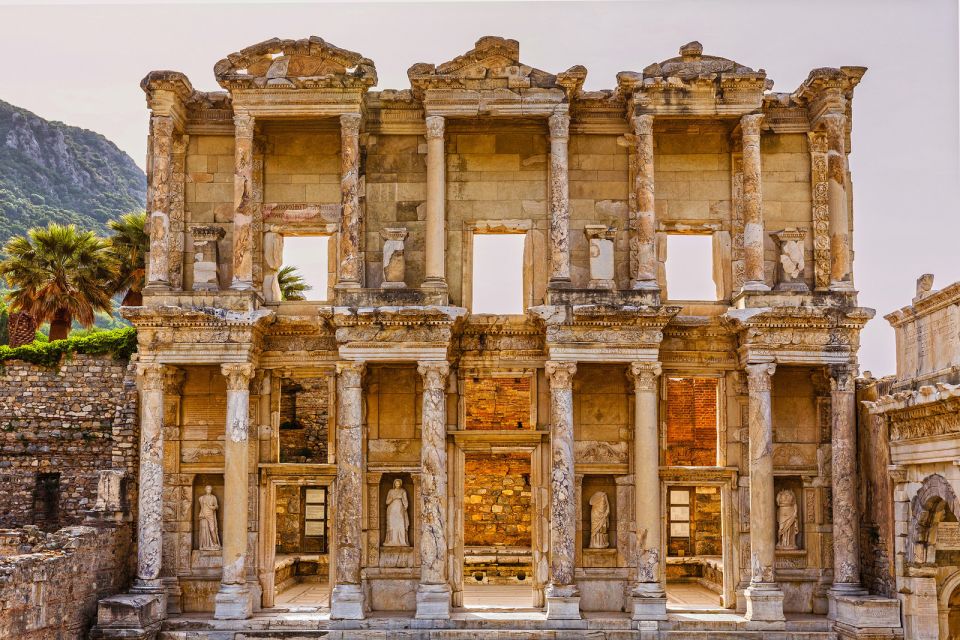
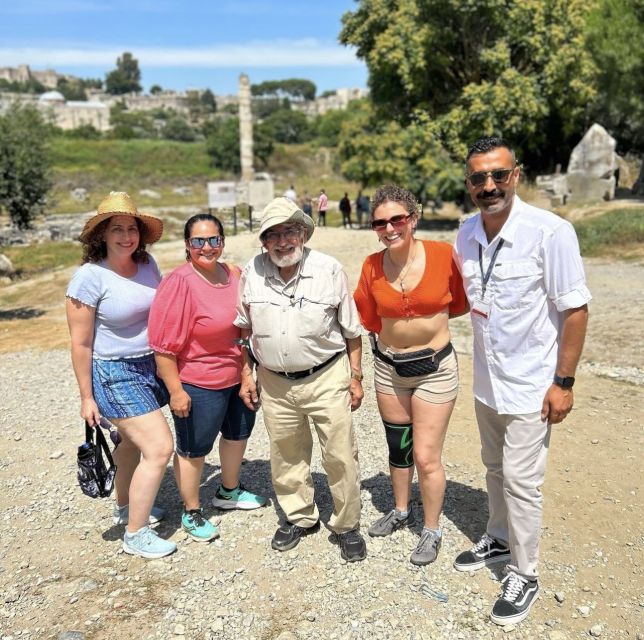
Once you’re in Ephesus, the guide’s job is to connect the dots, and the stops are chosen to do that. You’ll see a sequence of civic, religious, and social spaces, each one showing a different layer of Ephesus.
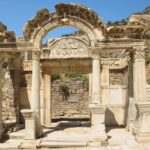
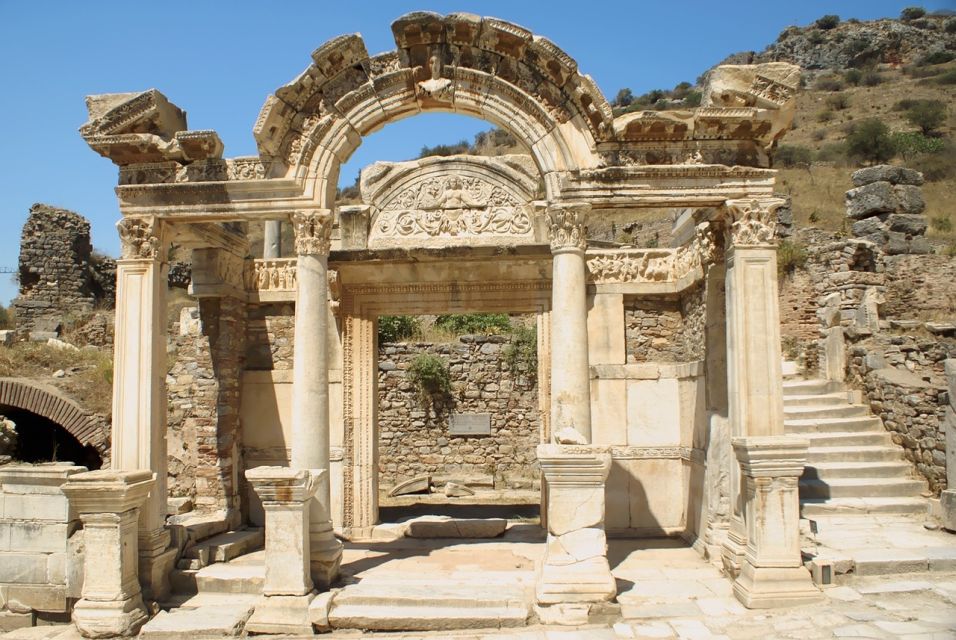
You’ll walk past places like the Odeon (a venue tied to public events), the State Agora and Commercial Agora (the heart of everyday commerce and public life), and the Prytaneion and Memmius Monument (signals of how formal power and patronage worked in the city). You’ll also spot big temple structures along the route, including the Domitian Temple and the Hadrian Temple, which help you connect the Roman era’s influence to Ephesus’s earlier Hellenistic roots.
A few street-and-gate stops are where the city starts to feel real:
- Curetes Street, a main corridor where you can imagine daily movement through the heart of the city.
- Hercules Gate, which gives you a strong sense of the city’s monumental entrance style.
- Latriens, tied to religious practices.
And if you’re interested in Christianity, Ephesus has special weight. The tour framing emphasizes its role as one of the seven churches of Revelation, and it notes that Apostle Paul likely spent about two and a half years there during his third missionary journey. Even if you don’t read scripture, it’s a helpful lens for understanding why Ephesus mattered beyond politics and trade.
A practical note on pacing
You’re covering a lot, but the day doesn’t try to squeeze in every single ruin under the sun. That’s the value of a focused plan: you’ll actually understand what you’re looking at instead of just snapping photos and losing the thread.
Celsus Library and the Big Theater Views
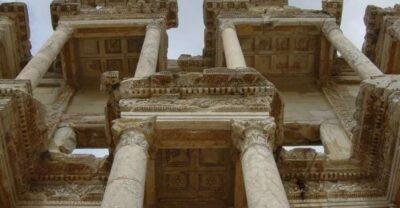
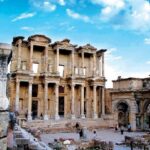
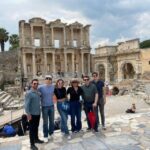
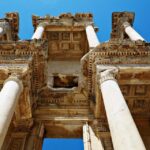
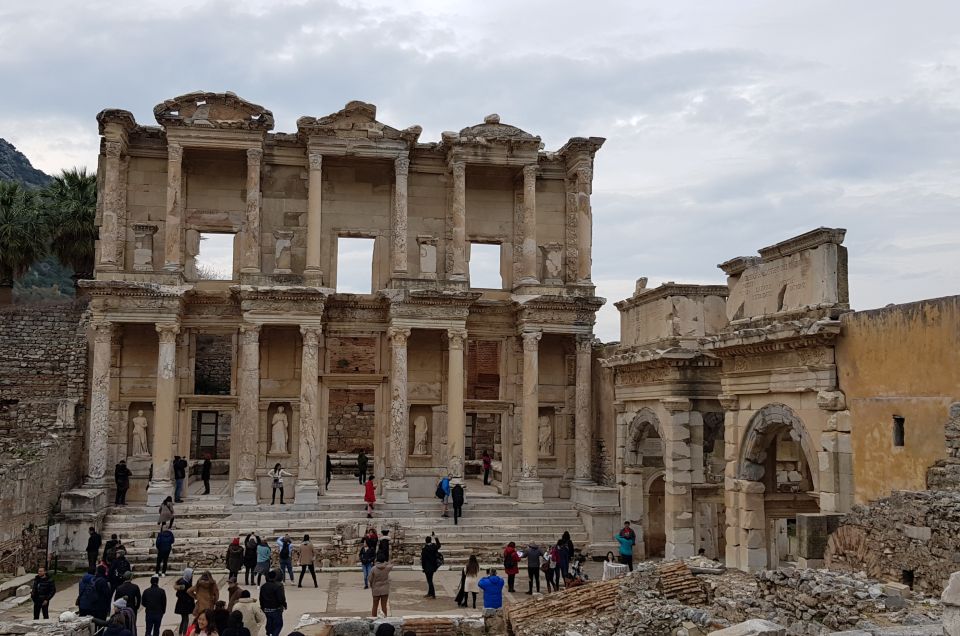
Two of the main “you have to see this” moments are Celsus Library and the Great Theater area. Celsus is famous for a reason: the facade is dramatic and it instantly tells you that knowledge wasn’t a casual hobby for elites—it was part of public identity.
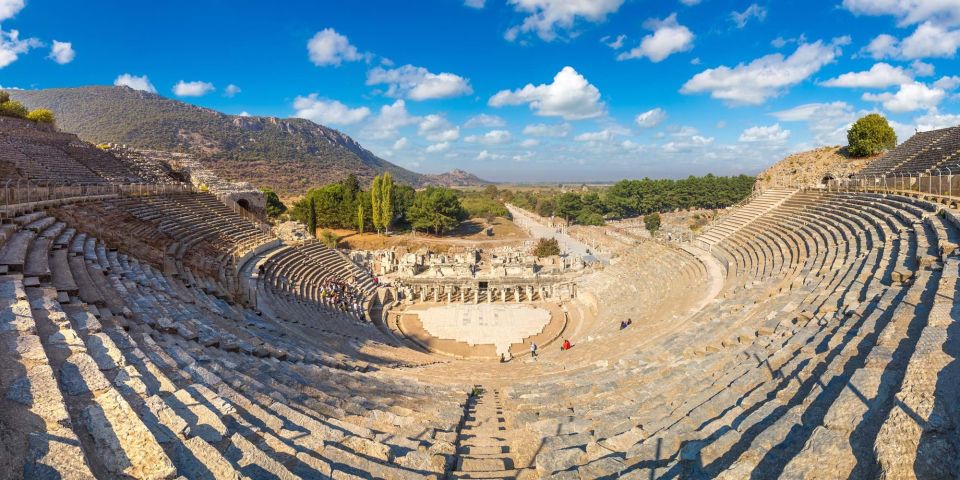
The Great Theater is another anchor stop. Even if you’ve visited theaters elsewhere, the scale here helps you picture how public life worked: speeches, performances, and gatherings shaped how people felt about the city.
You’ll also travel along the Arcadine (Harbour Road) route, which connects the city to the harbor side. That’s useful because it reminds you that Ephesus wasn’t isolated. It was tied to shipping routes, goods, and people moving in and out.
You can also read our reviews of more tours and experiences in Selcuk

Terrace Houses: Mosaics, Fountains, and Central Heating
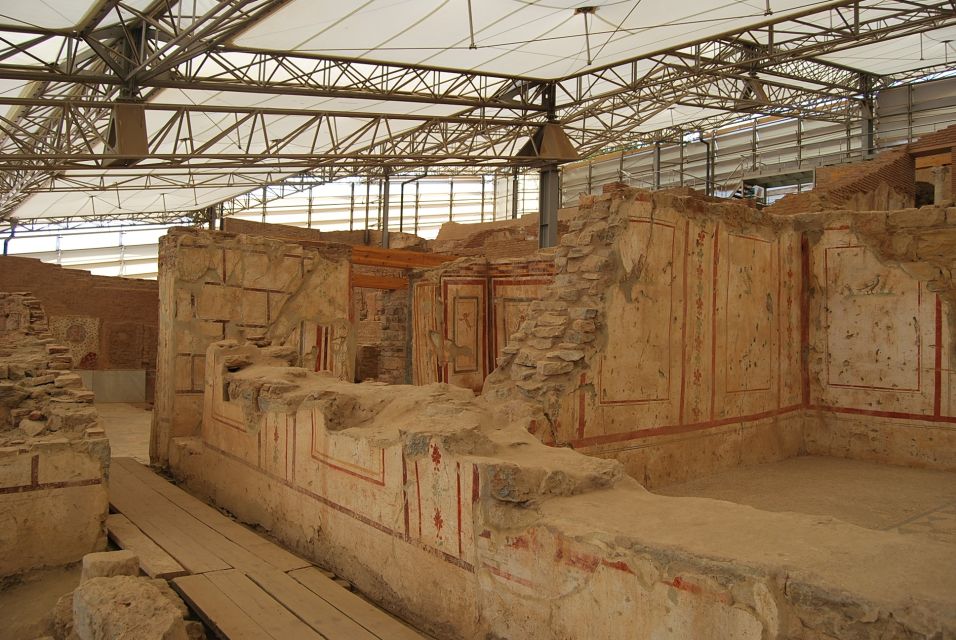
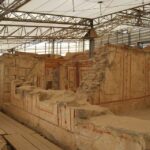
If you only have interest in one “elite lifestyle” stop, make it the Terrace Houses. These were private homes of prominent people in the city, dated back to the 1st century AD, and some were used up into the 7th century. In plain terms: you’re not just looking at stone walls; you’re looking at a place designed for luxury and comfort.
What stands out is the practical luxury:
- Mosaic floors
- Fountains
- Central heating
That last point is the surprise for many first-timers. It’s a reminder that Roman-era wealth could mean real comfort, not just decorative style. The guide’s explanation helps you connect those features to what kind of daily life the owners expected to have.
A small logistical tip: Terrace Houses require an additional ticket, so plan to budget for it. But if you can afford it, this is one of the most rewarding add-ons in the Ephesus complex.
Ephesus Archaeological Museum: Artemis Statues in Six Chambers
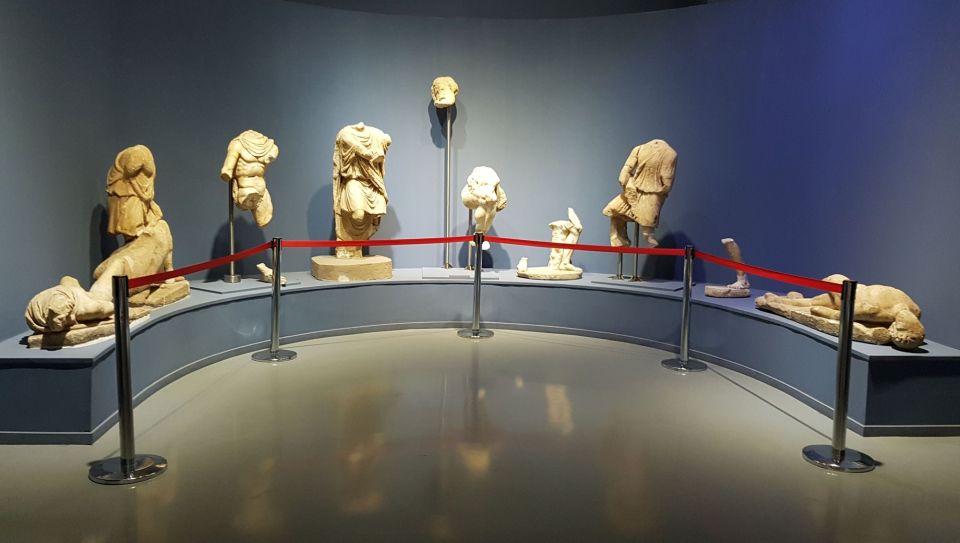
After the outdoor ruins, the tour shifts into the Ephesus Archaeological Museum, which is one of the best ways to avoid “ruins fatigue.” Outdoors, you’re looking at fragments and foundations. In the museum, you see objects that give those spaces more context.
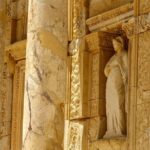
The museum visit includes six chambers with collections from the ruins. The highlighted feature is the marble statues of the Goddess of Artemis, including one from the 1st century AD and another from the 2nd century AD.
Even if you’re not an art person, statues like these do something important: they show the religion and symbolism tied to the region. Artemis isn’t just a name on a temple—she’s a visible, made-to-be-seen presence.
Temple of Artemis and Photo Angles for St. John and Isa Bey
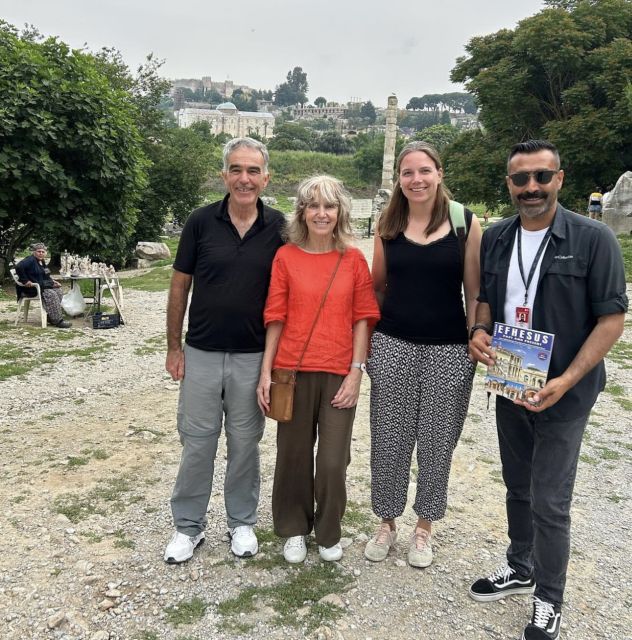
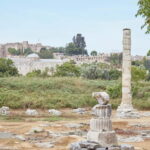
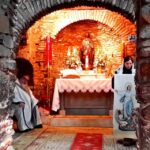
The tour also includes a visit to the Temple of Artemis, described as one of the seven world wonders of antiquity. You may not see a fully standing temple the way you’d see at some other sites, but knowing the temple’s importance helps you look at what remains with better context.
One of the smartest touches is the planned photo time aimed at specific landmarks:
- Church of St. John
- Mosque of Isa Bey
The tour notes you’ll have a chance to take photos from the best angle. You don’t need a tripod and you don’t need to hunt around the area—your guide helps you get set up where the view works.
Price and Value: What You’re Really Paying for at $71
The listed price is $71 per person for a 6-hour private tour from Kusadasi Port. That base price covers the “engine room” of your day: pickup and drop-off at the port, an English live guide, an air-conditioned vehicle, and parking fees.
Here’s the part you need to plan for: entry fees are not included. You’ll pay separately for:
- Ephesus: 40€
- Museum: 10€
- Terrace Houses: 15€
So, your all-in cost is the $71 plus those site tickets, plus whatever you spend on lunch and drinks (not included). Even with that, I think the value makes sense for the right traveler because:
- You’re avoiding waiting at ticket points with skip-the-line.
- You’re getting a private guide who can keep your day efficient.
- You’re not just seeing one “headline” stop—you’re getting Ephesus plus the museum plus Artemis-area sights.
If you’re trying to go as cheaply as possible, a self-guided plan might beat this price. But for cruise days, time is money, and this tour is designed around not losing hours to queues or confusion.
What to Bring and How to Prepare for a Comfortable Day
The basics are clear, and you’ll thank yourself later:
- Passport (required)
- Comfortable shoes (stone streets and uneven surfaces)
- Sunglasses (sun can be intense)
I’d also add a practical mindset: plan for walking and take small breaks. Ephesus is large, and even on a “short” guided route, your feet will do their job.
If you’re coming by cruise ship, make sure you provide your cruise ship name. The guide will wait for you at the port using that information.
Who This Tour Suits Best (and Who Might Prefer Something Else)
This is a great fit if you:
- want a private experience rather than a group scramble
- are short on time and need your day to stay on track
- care about understanding what you’re seeing, not just checking boxes
- want both the ruins and the museum (too many tours skip the museum)
It may be less ideal if you:
- don’t want to handle extra ticket costs on top of the tour price
- prefer very slow, unstructured wandering
- have limited tolerance for walking on ancient surfaces
Also, if you’re traveling as a family, the guide style described in the guide notes includes patience and accommodation. That’s exactly what you want when you’re mixing ages and attention spans.
Should You Book This Private Skip-the-Line Ephesus Tour?
I’d book it if you’re on a cruise day or you’re trying to squeeze in the Ephesus essentials without spending your vacation time in lines. The combination of skip-the-line, a focused two-hour Ephesus walk, and the museum + Terrace Houses makes this more than a simple “see the ruins” trip.
You should think twice only if you’re trying to minimize costs after factoring the separate Ephesus (40€), museum (10€), and Terrace Houses (15€) tickets, plus food and drinks. If you’re okay with that reality, this tour offers a strong balance of big-name sights and the objects that explain why they mattered.
FAQ
How long is the private Ancient Ephesus tour from Kusadasi Port?
The tour duration is 6 hours.
Is pickup and drop-off included?
Yes. You’re picked up from Kusadasi port and dropped back at Kusadasi port.
Does the price include entry fees?
No. Entry fees are not included. Separate tickets are required for Ephesus (40€), Ephesus Museum (10€), and Terrace Houses (15€).
Is this tour a private group?
Yes, it’s a private group with a live English guide.
Does the tour include skip-the-line tickets?
Yes, the activity includes skip-the-line.
What should I bring for the tour?
You should bring your passport, wear comfortable shoes, and bring sunglasses.
How does the guide find me at the port?
You need to provide your cruise ship name. The guide will wait for you at Kusadasi cruise port with your name.