REVIEW · EPHESUS TOURS
PRIVATE Ephesus Full Day Tour from Izmir
Book on Viator →Operated by OTTI Travel · Bookable on Viator
It takes one hour to reach another world. This private Ephesus full day tour from Izmir pairs easy pickup with an English-speaking guide so you can focus on the ruins, not the logistics. I like that it’s set up as a real private outing, so your timing and priorities matter more than keeping up with a big bus crowd.
I also like the way the day strings together different layers of meaning. You’ll move from the Greek wonder-era stories of Artemis to the later Christian sites like the Basilica of St. John and the House of the Virgin Mary. The sites connect into one big story of who lived here and what they believed.
One thing to think about: the tour price does not cover main admissions, and you should expect extra cash for entrance fees plus a lunch stop that may involve time at a sales-focused stop. If you prefer zero shopping pressure, plan your boundaries up front.
In This Review
- Key Points to Know Before You Go
- Izmir Pickup to Ephesus: The Day Starts Easy
- Ephesus Ancient City: Where the Ruins Do the Talking
- The Temple of Artemis: The Wonder You Can Still Feel
- Basilica of St. John: The Christian Layer on the Same Hill
- House of the Virgin Mary: Quiet, Practical, and Worth the Time
- Temple Stops and Timing: How the Schedule Really Feels
- Price and Value: What $126 Includes (and What It Doesn’t)
- Lunch, Co-ops, and the Sales Pressure Question
- Guide Quality and Real Flexibility: Why Names Matter
- Who This Private Ephesus Tour Fits Best
- Should You Book This Private Ephesus Tour?
- FAQ
- FAQ
- How long is the private Ephesus tour from Izmir?
- Where does the tour start for cruise passengers?
- How does pickup work for hotel guests?
- Where do airport pickups happen?
- What’s included in the tour price?
- Are entrance fees included?
- What should I budget for admissions and lunch?
- How long do you spend at each main stop?
- Is the tour private?
- Can I cancel for a full refund?
Key Points to Know Before You Go
- Private, English-guided pacing: you control the pace and can ask questions along the way
- Pickup that reduces stress: cruise port, hotel, or Izmir airport pickup is part of the plan
- Admissions are extra, but Artemis can be free: Ephesus and Mary’s House charge separate fees
- One-hour drive each way: build your day around that travel time
- History plus practical stops: expect at least one lunch/stop that can feel salesy
- Moderate walking works best: the itinerary has a few uphill bits, especially near Mary’s House
Izmir Pickup to Ephesus: The Day Starts Easy
The biggest win here is how smoothly the day begins. You can be picked up from your hotel, or meet the group at the cruise port exit gate, or be met at the domestic terminal exit gate at Izmir Airport (ADB). That reduces the usual anxiety of trying to find a driver in a new place while your ship is ticking away.
The tour also runs with a private vehicle, so you’re not playing seat-of-your-pants with strangers. In the real world, that means fewer waits, more straightforward timing, and an easier day if you’re traveling with family, want more conversation time, or simply hate being rushed.
It’s a 5 to 7 hour outing, and the drive from Izmir to Ephesus takes about one hour. That matters because it shapes how much time you’ll truly have at the sites. The schedule is built around multiple stops, so you’ll want to arrive ready to go.
You can also read our reviews of more private tours in Kusadasi
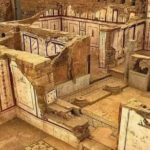

Ephesus Ancient City: Where the Ruins Do the Talking
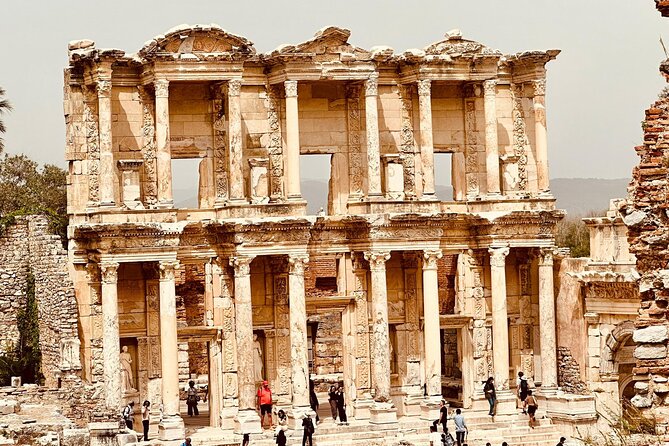
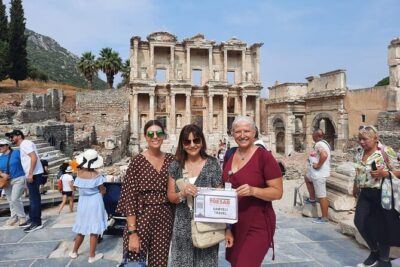
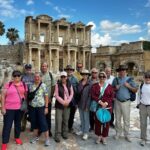
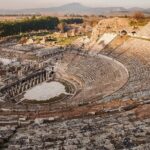
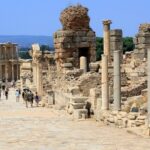
Ephesus Ancient City is the main event, with about 1 hour 30 minutes on-site. The admission ticket for Ephesus Ancient City is extra, and it’s currently listed as €40 per person. So yes, you’ll want to budget for that before you go.
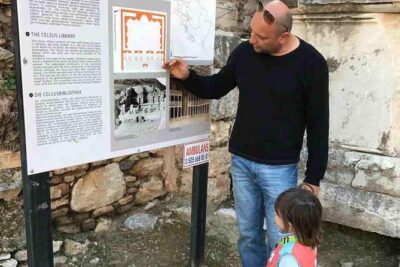
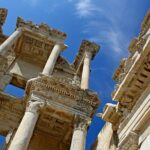
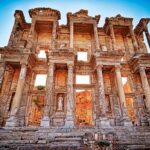
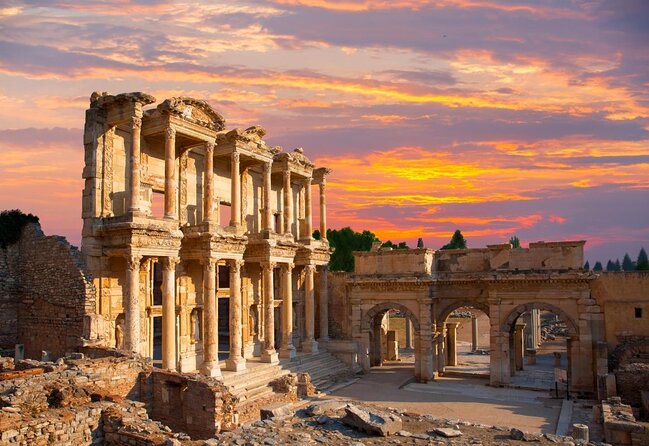
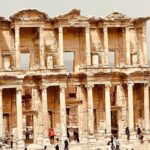
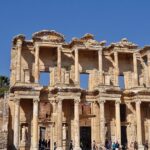
What makes Ephesus special is how much you can still “read” in the stones. You’re looking at the remains of a place that saw a succession of great civilizations. The Greeks built the Artemesium around 356 BC, and later Ephesus became a major city in the Roman world, famous for the Library of Celsus and its medical school.
Here’s the practical part for your visit: in less than two hours, you won’t see every corner. But a good guide helps you spot the big story points fast—where you are, why it mattered, and what you’re looking at. Some guides on this route are praised for exactly that mix: explaining key points clearly and then giving you room to ask questions instead of talking non-stop.
Also remember the pace is designed for you to go at your own rhythm. If you want longer pauses for photos, or you’re the type who likes to ask, you can usually slow down without ruining the day. That is a big advantage of a private tour.
The Temple of Artemis: The Wonder You Can Still Feel
After Ephesus, you’ll visit the Temple of Artemis area for around 30 minutes. The entrance here is listed as free, so it’s one of the stops where you’re least likely to feel sticker shock.
Even though you’re not walking through a standing temple, the story still hits. Over the centuries, the original marble wonder area turned into swampy ground, and today visitors mostly see foundations and remaining pieces. A guide can help you visualize what once stood there, including the sculpted column capitals and shafts, and how the Artemisium was one of the Seven Wonders.
This stop also works well as a mental reset. After the scale of Ephesus, Artemis gives you a different kind of history lesson: not about what’s standing tall, but about what survived—and what didn’t.
If you’re trying to do this day with minimal ticket management, this is a nice balance: Artemis is free, and your main paid admissions are concentrated in two places (Ephesus and Mary’s House).
Basilica of St. John: The Christian Layer on the Same Hill
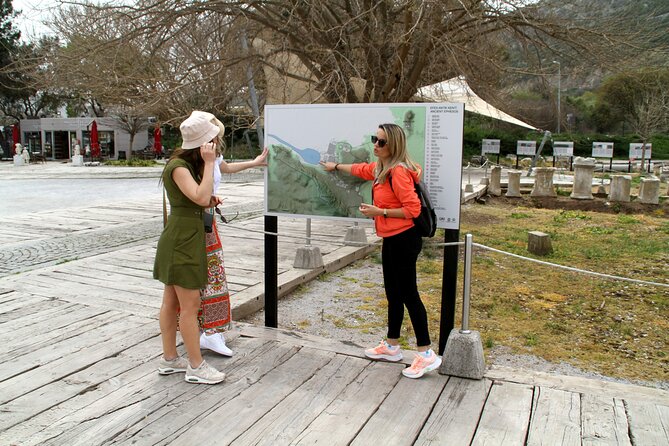
Next is the Basilica of St. John area, again for about 30 minutes. Admission is listed as not included, but the important part for your planning is that this is a shorter stop where the guide’s narration really matters.
You’ll hear the tradition that St. John spent his last years in the region around Ephesus and is buried on the southern slope of Ayosolug Hill. Then comes the layered timeline: a small chapel built over the grave in the 4th century, and later the basilica form during the time of Emperor Justinian (527–565 AD).
The site’s meaning is amplified by its historical context. This region sits inside a broader early-Christian story of persecution and change. And because the tour threads this into the same day as Artemis and the ancient city, you get a sense of how one geography carried multiple belief systems over centuries.
A short stop can feel rushed on some tours, but many people love this one because the guide tends to keep it focused. You’ll get the essentials without feeling like you’re stuck listening to a lecture with no time left to look around.
House of the Virgin Mary: Quiet, Practical, and Worth the Time
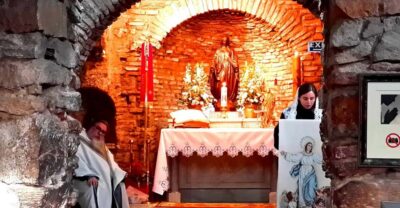
The House of the Virgin Mary is your longest scenic-style visit, about 40 minutes. Admission is extra at €18 per person, so this is the second big ticket day.
The site sits on the top of the Bulbul mountain, about 9 km ahead of Ephesus. It’s described as a shrine with a green, sheltered feel, and that atmosphere is part of why people remember it. You’re not just looking at stones—you’re stepping into a calmer mood than you get at the larger ruins.
The structure itself is Roman in style, made of stones. In the 4th century, a church combining her house and grave was built, while the original house is described as having two stories and spaces like an anteroom (where candles are offered), a bedroom and praying area, and a fireplace room with a chapel for Muslims.
Here’s what you should plan for: because it’s on a hillside and mountain approach, you’ll likely do some uphill movement. The tour notes you need a moderate physical fitness level, and this stop is usually where that shows up. If you’re managing mobility, having a private driver helps, because you can adapt your pace and keep the day from turning into a forced march.
The House of the Virgin Mary is also a great place to slow down and ask your guide how the stories connected—especially if you care about the blend of tradition and architecture.
You can also read our reviews of more tours and experiences in Kusadasi



Temple Stops and Timing: How the Schedule Really Feels
On paper, the day looks nicely organized: Ephesus first, then Artemis, then St. John, then Mary. In practice, the rhythm works because it alternates big scale with smaller, meaningful places.
- Ephesus Ancient City gives you the big visual impact.
- Artemis adds the “missing wonder” angle.
- St. John’s ties the narrative into Christian tradition.
- Mary’s House ends with a quieter, reflective tone.
That sequencing can be especially helpful if you’re the type who likes stories with a beginning and end. You start with a major ancient city, hit the wonder story, move into the Christian layer, and finish in a place that many people experience as calmer.
Time is tight enough that you won’t get bored, but the private format helps you avoid the worst problem of day tours: feeling like you’re always waiting for the group.
Price and Value: What $126 Includes (and What It Doesn’t)
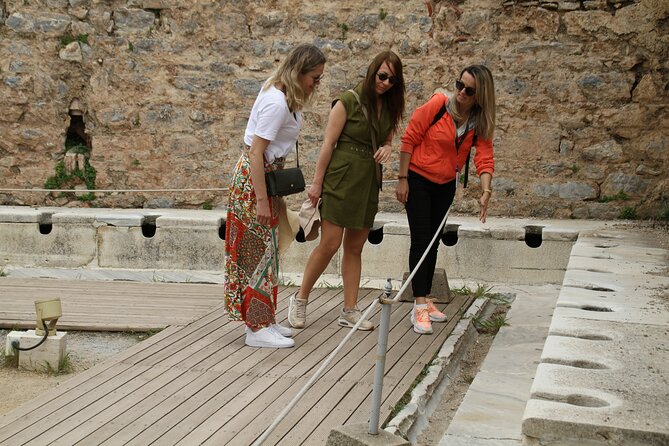
The tour price is $126 per person, and it covers some key things that matter more than most people expect.
Included:
- Hotel or port pickup and drop-off
- English-speaking tour guide with archaeological background
- Luxury private vehicle transport
- Parking fees and taxes
- Mobile ticket
Not included:
- Ephesus Ancient City admission (€40 per person)
- House of the Virgin Mary admission (€18 per person)
- Local lunch (listed as $15 per person)
The Temple of Artemis is listed as free, so you’re not paying at every stop.
So is it good value? For me, the value comes from the combination of private pickup, an English guide, and not being stuck on a large-group schedule. If you’re traveling in a pair or small group, the private vehicle spreads the cost better than DIY planning where you’d still need transport and a guide.
The one caveat: because major admissions are separate, your total day cost can jump fast if you forget to budget. I’d treat the published price as the “tour service” fee, then add the two paid admissions and lunch.
Lunch, Co-ops, and the Sales Pressure Question
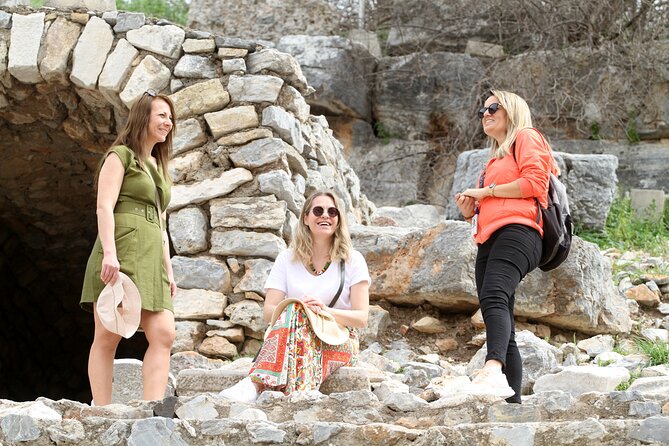
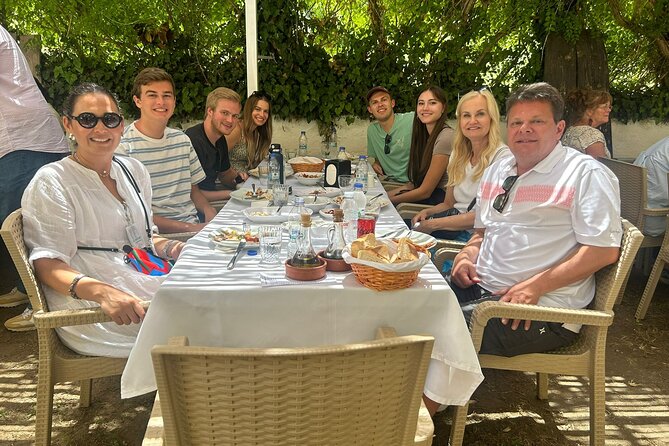
There is often a lunch stop built into the flow, and it can include a weaving or pottery demonstration in a shop setting. Some guides handle this in a way that feels relaxed and optional; other experiences may feel like time is spent on presentations with stronger pressure to buy rugs or jewelry.
The good news: this is a private tour, which usually means you can communicate preferences more easily. If you do not want a sales-heavy environment, say so clearly at the start. Ask where lunch will happen and whether it’s a quick meal-only stop or a long presentation.
Based on what people report, the pressure level can range from polite and easy to more time-consuming. Your best strategy is simple: set expectations early, keep your credit card and cash ready for only what you choose, and don’t let the sales pitch steal your Ephesus time.
Guide Quality and Real Flexibility: Why Names Matter
This tour line tends to stand or fall on the guide. The good ones bring the sites to life with explanations you can actually use.
You’ll see praise for guides such as Asli, Elif, Ahmet, Nagi, Tas, Nur, Necla, Lori Cili, and Etan/Ethan, along with drivers like Mehmet, Engin, Ibrahim, and others. The common thread in the best experiences is two things:
1) guides offer historical context and answer lots of questions, and
2) they adjust the schedule to your day.
That flexibility shows up most when weather or pacing changes. One report highlights rain and the guide shifting activities so the day still made sense. Another highlights an early hotel departure to get ahead of cruise crowds. In a private setting, that kind of adjustment is usually easier.
Even if your guide is not the same person as someone else’s, you can still benefit from the private format: ask what you want to prioritize, and don’t be afraid to request a small tweak if timing allows.
Who This Private Ephesus Tour Fits Best
This is a strong fit if you:
- want an English-speaking guide rather than going it alone
- value pickup convenience from hotel, cruise port, or airport
- prefer a private pace instead of a group sprint
- like connecting ancient sites with later religious context
It may be less ideal if you:
- hate any kind of shopping stop and want zero commercial time
- want a fully self-directed day with no guidance at all
- want to avoid extra admissions budgeting
If you’re doing Ephesus as a cruise excursion, the pickup method and early start help a lot. If you’re flying in, the airport pickup keeps you from losing half a day to figuring out transport.
Should You Book This Private Ephesus Tour?
My take: if your goal is to see the big Ephesus sites with an English guide and a schedule that can bend to you, this is a book-worthy day. The private pickup, private vehicle, and guide-driven context add up fast once you’re on the ground.
Before you click confirm, do two things. First, plan your total budget: admissions for Ephesus (€40) and Mary’s House (€18) plus lunch. Second, set your lunch-stop expectations if you dislike sales presentations.
If you do those two simple steps, you’ll have a day that feels purposeful: big ruins in Ephesus, the Artemis wonder-story, the St. John layer, and then Mary’s House as a quieter ending.
FAQ
FAQ
How long is the private Ephesus tour from Izmir?
The duration is about 5 to 7 hours.
Where does the tour start for cruise passengers?
For cruise passengers, the group meets at the exit gate of the Immigration Terminal of the Izmir Cruise Port with a sign showing the OTTI Travel name.
How does pickup work for hotel guests?
For hotel pickup, the guide meets you by the hotel reception.
Where do airport pickups happen?
For Izmir Airport (ADB) pickup, the guide meets you at the exit gate of the domestic terminal with a sign showing the OTTI Travel name.
What’s included in the tour price?
The price includes hotel/port pickup and drop-off, an English-speaking guide, transport by a luxury private vehicle, and parking fees and taxes.
Are entrance fees included?
No. Ephesus Ancient City admission and the House of the Virgin Mary admission are not included. The Temple of Artemis is listed as free.
What should I budget for admissions and lunch?
Ephesus Ancient City admission is €40 per person, the House of the Virgin Mary is €18 per person, and local lunch is listed at $15 per person. Temple of Artemis admission is listed as free.
How long do you spend at each main stop?
Approximate times are: Ephesus Ancient City 1 hour 30 minutes, Temple of Artemis 30 minutes, Basilica of St. John 30 minutes, and House of the Virgin Mary 40 minutes.
Is the tour private?
Yes. It is a private tour/activity, and only your group participates.
Can I cancel for a full refund?
Yes. Free cancellation is available up to 24 hours in advance for a full refund.