REVIEW · EPHESUS TOURS
SKIP THE LINE – Private Guided Ephesus Tour
Book on Viator →Operated by Istanbul's Tours · Bookable on Viator
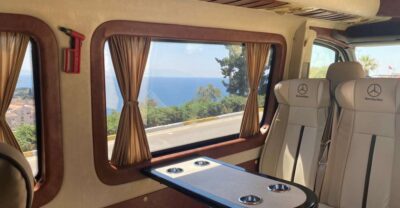
Ephesus is huge; this tour keeps you on track. The big win here is private guidance with skip-the-line ticket planning, so you spend less time waiting and more time actually seeing the place. You also get port pickup and a comfortable, air-conditioned ride—important when your day starts early.
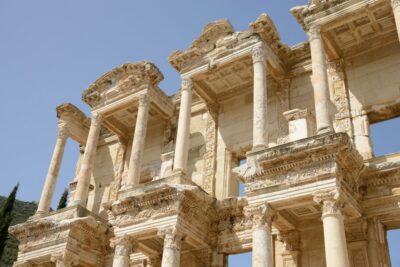
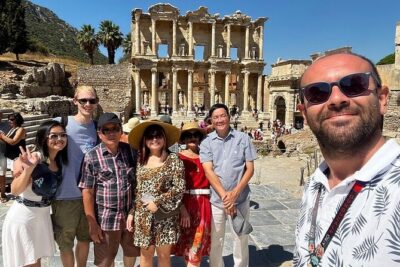
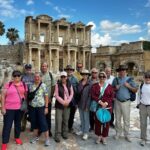
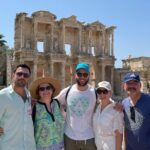
I really like how the guides turn the site into a story you can follow. With guides such as Yeliz, Yahya, and Bulent, expect clear explanations that connect major landmarks like the Library of Celsus and the Great Theatre instead of just pointing at stones.
One thing to plan for: the headline attractions have separate entrance fees. The tour handles the Ephesus ticket setup to reduce line time, but you’ll still need to budget for entry to the sites that aren’t included.
In This Review
- Key highlights to know before you go
- Why this private skip-the-line approach makes Ephesus feel manageable
- Getting from Kusadasi to the sites: pickup, timing, and why early matters
- Stop 1: Ancient City of Ephesus (about 2 hours) and what you should focus on
- Stop 2: Ephesus Terrace Houses (about 30 minutes) for the Roman “lifestyle upgrade”
- Stop 3: Meryemana (The Virgin Mary’s House) and the quiet rhythm of a pilgrimage site
- Stop 4: The Temple of Artemis (about 15 minutes) and why short can still be worth it
- Kusadasi Castle (Pigeon Island Castle): sea views and a maritime museum break
- Kusadasi shopping center and a quick town moment near the port
- Price and value: what you’re paying for (and what you still need to budget)
- What makes the guiding feel different here (names, style, and pacing)
- Who should book this tour, and who should think twice
- Should you book this private skip-the-line Ephesus tour?
- FAQ
- What is the duration of the Skip the Line private guided Ephesus tour?
- Is pickup and drop-off included?
- Is the tour offered in English?
- Are entrance fees included?
- Do you really skip long ticket lines?
- What happens if weather is bad?
Key highlights to know before you go

- Skip-the-line ticket planning: arranged in advance so you avoid the worst waits at Ephesus.
- Licensed local guide: history with a real-world point of view, not a lecture.
- A tight route that fits a ship day: about 3–5 hours with timed stops.
- Terrace Houses for daily-life detail: mosaics, frescoes, plumbing, and heating systems.
- Mary’s House for a quieter reset: a hilltop break from the crowds, plus the wishing wall.
- A little extra beyond Ephesus: Kusadasi Castle, shopping, and a quick taste of town life.
Why this private skip-the-line approach makes Ephesus feel manageable

Ephesus can overwhelm you fast. It’s spread out, and there’s a lot to read—if you stand around, you’ll lose the best lighting and the least-crowded hours. With a private format and a licensed local guide, you get a clear flow: where to look first, what to notice, and how the different zones fit together.
The skip-the-line planning is the practical hero here. You’re not trying to beat the clock alone, and you’re not stuck in ticket chaos while the day runs on. That matters even more because this is offered in English and scheduled for cruise timing and morning arrivals.
For me, the best part is the way the guide makes the timeline make sense. Guides like Yeliz, Yahya, and Bulent are described as connecting landmarks into a broader story, so you leave with more than a photo set of big ruins.
You can also read our reviews of more guided tours in Kusadasi



Getting from Kusadasi to the sites: pickup, timing, and why early matters
You’re in Kusadasi, Turkey, with port pickup included. The guidance is simple and smart: meet at the port about 30–45 minutes after your ship docks to beat crowds. If you’re the type who likes to “wait for the line to calm down,” this is your nudge to do the opposite—arrive early, get your bearings, and let the guide handle the rest.
The tour runs roughly 3 to 5 hours. That’s short enough to work on a cruise day, but long enough that you won’t feel like you saw only the highlights from a bus window. An air-conditioned vehicle helps, especially if your ship arrives on a warm afternoon window and you’re bouncing between points outside the main ruins.
You’ll also get a mobile ticket and a professional guide, plus pickup and drop-off at the port or hotel. Service animals are allowed, and the route calls for moderate physical fitness—so you’ll want comfortable shoes and a steady pace.
Stop 1: Ancient City of Ephesus (about 2 hours) and what you should focus on

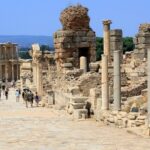
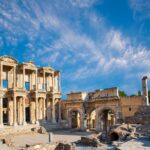
This is the heart of the day. The Ancient City of Ephesus near Selçuk is one of those places where the scale hits you before the details do. Once a major Greek and Roman city, it preserves enough of the layout and structures that you can understand how people moved through daily life—markets, worship areas, theaters, and home districts.
Plan to spend your energy on the big anchors:
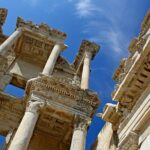
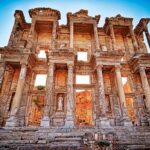
- Library of Celsus: it’s the kind of building that makes you stop and stare, because it feels like it should still have scrolls inside.
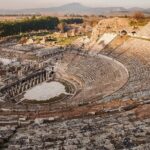
- Great Theatre: useful for understanding the city’s public life and the way architecture supported gatherings.
- Streets and monumental structures that show advanced urban planning for its time.
A good guide will also help you spot the transitions. Ephesus isn’t one single “monument”—it’s a working city with overlapping layers. In practice, that means you’ll want to listen for explanations of what you’re seeing right now versus what came earlier or later, so your visit becomes a coherent walk instead of a pile of facts.
What can feel hard here: Ephesus is outdoors and uneven in places. You’ll be walking for about two hours, so take water, wear grippy shoes, and pace yourself rather than trying to sprint between stops.
Admission isn’t included for Ephesus entry, but the tour says it will arrange tickets in advance so you skip long ticket lines. That’s a big time-saver in a place that gets crowded fast.
Stop 2: Ephesus Terrace Houses (about 30 minutes) for the Roman “lifestyle upgrade”

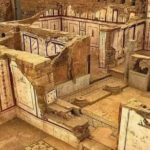
If Ephesus is the public face, the Terrace Houses show the private one. These houses—often called the Houses of the Rich—are a carefully restored set of interconnected homes inside the ancient city area.
In the brief time you have, the best way to experience this stop is to focus on comfort and craftsmanship, not just rooms. You’ll see:
- Mosaics and frescoes that reflect wealth and taste.
- Heating systems and plumbing, which is the kind of detail that makes ancient life feel less distant.
- The way the houses connect, so you get a sense of how elite daily routines worked.
Thirty minutes is not a long time, but it’s a smart add-on. It turns the day from “big ruins” into something more personal. You start asking: who lived here, how they managed household systems, and why these houses looked the way they did.
The drawback is also simple: since entry tickets aren’t included, you’ll want to be ready with your additional fee plan for this site. And because it’s indoors/restored areas mixed with walking, keep your phone battery charged—you’ll likely want photos, but don’t ignore the guide’s explanations while you’re framing shots.
Stop 3: Meryemana (The Virgin Mary’s House) and the quiet rhythm of a pilgrimage site

Meryemana, or the House of the Virgin Mary, is a different kind of stop. It’s on a lush hillside near Selçuk, and it’s approached more like a place for reflection than a museum corridor. According to Christian tradition, it’s believed to be Mary’s final residence.
What I like about this stop as part of an Ephesus tour is the contrast. After the heavy stone scale of the ancient city, Meryemana gives you a slower pace. You’ll also find a wishing wall nearby where visitors leave written prayers and wishes, which adds a human element you don’t get from ruins alone.
This stop is about 45 minutes, which is enough time to absorb the surroundings without feeling rushed. Admission for the House of Mary is not included, so again: plan for additional site fees.
Potential consideration: this is still a walk-and-stand experience on uneven ground. If your mobility is limited, make sure you pace yourself early in the day—Ephesus comes first, so your legs will be working before you reach the hillside.
You can also read our reviews of more private tours in Kusadasi


Stop 4: The Temple of Artemis (about 15 minutes) and why short can still be worth it
The Temple of Artemis is famous for a reason. It was once a massive sanctuary dedicated to Artemis, one of the Seven Wonders of the Ancient World. Today, you’re seeing ruins, not the original forest of towering columns—but the remaining pieces still communicate ambition and scale.
This stop is only 15 minutes, and that’s okay. Think of it as a high-impact capstone rather than a long lecture. You’ll get a clear sense of what made it legendary and how people in the ancient world built with awe and devotion.
The tour notes that admission here is free. That’s a nice value add: less extra payment, more time saved for walking and looking.
Kusadasi Castle (Pigeon Island Castle): sea views and a maritime museum break

After the Ephesus focus, the tour shifts toward Kusadasi itself. The castle—also known as Pigeon Island Castle—sits on a small islet off the coast. It has layers of history, including roles as a Byzantine watchtower and later as an Ottoman pirate deterrent.
This stop works because it gives you a change of scenery. You’re dealing with sea air and broad views of the Aegean, and that helps your brain reset after hours of archaeology.
Inside, there’s a courtyard and a maritime museum, plus plenty of chances to look out over the water. The tour notes you can see views from a boat too, but in this case you’ll have time to explore more directly on site.
What to keep in mind: the castle portion sounds like a “stop and wander” style moment rather than a full museum marathon. If you’re the type who loves reading every placard, you may wish you had more time here.
Kusadasi shopping center and a quick town moment near the port
You’ll also stop at the Kusadasi shopping center, described as a local marketplace for crafts, fashion, and vibrant bazaars. It’s close—about 5 minutes away from the port—so it fits the flow of a ship day.
There’s also a short 10-minute window in Kusadasi town. That gives you enough time to step out, soak in the coastal vibe, and connect the ruins to the modern setting.
This portion can be a plus if you like practical souvenirs or local textiles. If you’re trying to avoid shopping, you still get the benefit of stepping away from crowds and back into the “real place” around the port.
Price and value: what you’re paying for (and what you still need to budget)
The price is $350 per group, up to 6 people. That’s how private tours work: you’re paying for a dedicated guide and a vehicle for your group, not per person. So if you’re traveling with family or friends, the value can become much better than it looks at first glance.
What’s included is solid:
- Professional licensed local tour guide
- Air-conditioned vehicle
- All fees and taxes
- Port/hotel pickup and drop-off
What’s not included is where you should do a quick mental math check:
- Ephesus entrance fee
- Ephesus Terrace Houses entrance fee
- House of Mary entrance fee
The tour says it will arrange Ephesus tickets in advance so you skip long ticket lines. That means your money partly buys time-saving logistics, not just guiding.
The best value case: a group of 4–6 who wants a tight, story-led route with less waiting.
The weaker value case: a solo traveler who might get the same ruins from other group tours for less. If you’re solo and you care about personalized pacing, the private structure can still be worth it—you just need to decide what your time and comfort are worth.
What makes the guiding feel different here (names, style, and pacing)
This tour has a consistent theme in the feedback: guides like Yeliz, Yahya, and Bulent are praised for combining knowledge with enthusiasm, and for turning major sites into a coherent narrative.
That matters because Ephesus can turn into a checklist if you’re not careful. A great guide slows you down at the right spots and speeds you up when you’re wasting time. Several guides are described as adapting to your wishes and building in extra context when there’s time.
So if you’re the kind of traveler who likes to ask questions—or just prefers your brain to connect the dots—this is a good match. You’ll also feel less stressed when timing tightens, since the guide controls the flow and doesn’t treat your day like a sprint through 20 stops.
Who should book this tour, and who should think twice
This tour is a good fit if:
- You’re short on time and want the Ephesus essentials with guidance.
- You prefer a private group experience where the pace can adjust.
- You care about interpretation: why things were built, how the city worked, what elite life looked like in the Terrace Houses.
It might not be the best fit if:
- You hate walking outdoors for multiple blocks of time.
- You want fully included entrance fees with no extra budget on your end.
- You’re expecting a long, slow exploration of each site. This is built for a ship-day-friendly timeline, so the stops are structured.
Should you book this private skip-the-line Ephesus tour?
If you want an efficient, guided day that cuts down waiting and gives you context at the big landmarks, I’d book it. The combination of licensed local guiding, advance ticket planning to skip long lines, and a route that covers Ephesus plus Terrace Houses and Meryemana makes it feel like more than a generic ruins tour.
But do the planning math first. With entrance fees for Ephesus, Terrace Houses, and the House of Mary not included, you’ll want to know your total budget before you arrive. Also pack for a moderate walking day, because Ephesus is not a sit-and-watch kind of place.
FAQ
What is the duration of the Skip the Line private guided Ephesus tour?
The tour lasts about 3 to 5 hours.
Is pickup and drop-off included?
Yes. Port/hotel pickup and drop-off are included, and you’re advised to meet at the port about 30–45 minutes after your ship docks.
Is the tour offered in English?
Yes, it’s offered in English.
Are entrance fees included?
No. Entrance fees are not included for Ephesus, Ephesus Terrace Houses, and the House of Mary. The Temple of Artemis is free.
Do you really skip long ticket lines?
The tour says it will arrange Ephesus tickets in advance, so you skip long ticket lines.
What happens if weather is bad?
The experience requires good weather. If it’s canceled due to poor weather, you’ll be offered a different date or a full refund.