REVIEW · PAMUKKALE & HIERAPOLIS TOURS
Pamukkale and Hierapolis: Full-Day Private or Group Tour
Book on GetYourGuide →Operated by Unique Ephesus Tour · Bookable on GetYourGuide
White terraces and Roman ruins in one day. This long but rewarding outing blends Pamukkale thermal scenery with the big, dramatic remains of Hierapolis, plus a chance to soak in mineral-rich water. You’ll go with a licensed English-speaking guide, and you’ll ride in a comfortable air-conditioned vehicle with pickup from Kuşadası or Selçuk.
I really like the way this day focuses on the main draws: time on the travertine terraces and hot springs at Pamukkale, then structured stops through Hierapolis highlights. I also appreciate the practical touch that it helps you skip the ticket line, so you lose less time to waiting and more time looking at the terraces and ruins.
One thing to consider is pacing. Even with a guide, some portions can feel more self-paced than you might expect, and pickup can take a bit longer if the tour is combining multiple stops around Kuşadası. If you want heavy, constant historical narration, you may want a private option and to ask the guide lots of questions early.
In This Review
- Key highlights to expect
- How a Pamukkale and Hierapolis day really works
- Pickup, the long drive, and where the schedule gives you breathing room
- Pamukkale travertine terraces and thermal pools: what to focus on
- Antique Pool (Cleopatra’s Pool): a warm soak with Roman ruins nearby
- Hierapolis ruins with a guide: Roman Theater, Necropolis, Apollo
- Lunch and drinks: plan for what’s included and what’s not
- Guide quality, skip-the-line time, and what your $102 covers
- Who this tour fits best (and who should think twice)
- Should you book this Pamukkale and Hierapolis tour?
- FAQ
- FAQ
- How long is the Pamukkale and Hierapolis tour?
- Where are the pickup locations?
- What language is the guide?
- Is this tour private or group?
- Are entrance fees included?
- Is lunch included?
- Are drinks included?
- How much time do you spend at Pamukkale?
- How much time do you spend at Hierapolis?
- What should I bring?
Key highlights to expect
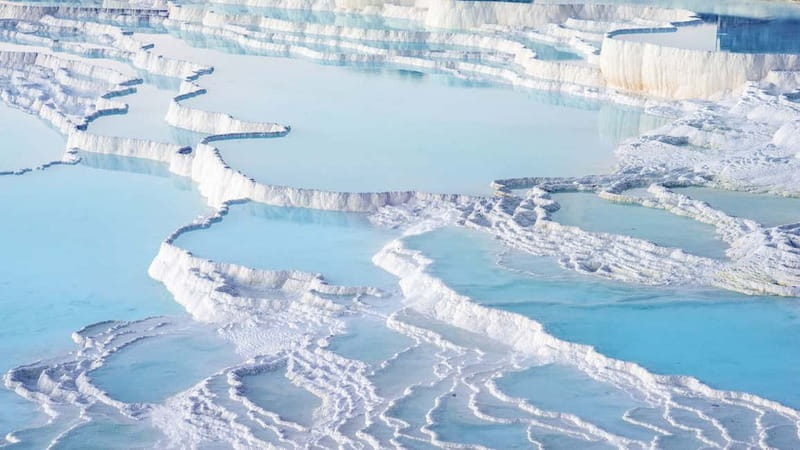
- Pamukkale travertines: walk along the white calcite terraces and enjoy the thermal pools
- A warm soak at Antique Pool (often linked to Cleopatra): mineral water plus Roman fragments
- Hierapolis top stops: Roman Theater, Necropolis, and the Temple of Apollo ruins
- Skip-the-ticket-line help plus a licensed English guide
- Long day logistics: several hours of driving and downtime blocks, so plan for a full schedule
How a Pamukkale and Hierapolis day really works
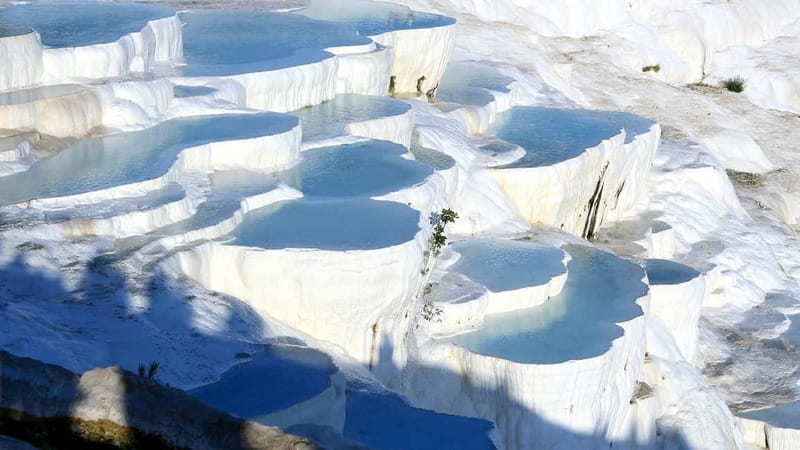
This is a classic “two icons in one trip” day: geological wonder first, then Roman remains. Pamukkale is famous for those striking white travertine terraces, created by thermal water carrying minerals that build up over time. Hierapolis, founded around 190 BC, adds the human side of the story with Roman-era religious and therapeutic use.
The value here is efficiency. If you’re based around Kuşadası or Selçuk and you don’t want to coordinate separate transport and guides for each site, this format does the heavy lifting. You get one pickup, one driver, and an English-speaking guide guiding the time you spend in the key areas.
That said, it’s still a long day—so think of it as a once-a-day sprint, not a slow sightseeing stroll. Comfortable shoes matter, and you’ll want a hat and sunscreen because the sun is strong and shade is limited around the terraces.
You can also read our reviews of more private tours in Kusadasi

Pickup, the long drive, and where the schedule gives you breathing room
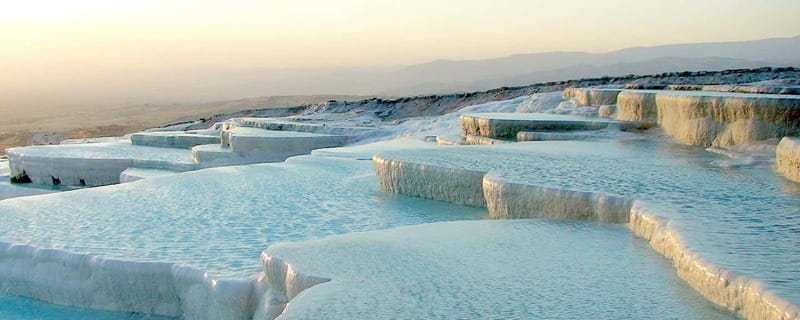
You’ll be picked up from your chosen location in the Kuşadası or Selçuk area, then the day runs on a set sequence with guided segments. The itinerary includes guided time in Denizli Province (about 30 minutes), then guided time at Pamukkale (about 3 hours), and guided time at Hierapolis (about 1 hour). After that, you’ll head back and the schedule includes another several-hour block labeled Van before your final drop-off.
A practical tip: start treating this like a full-day outing from the moment pickup happens. A note from a past traveler’s experience that matches the reality of group logistics: pickup can involve an extra delay when multiple groups are combined within the Kuşadası area. So if your plan depends on being back quickly, don’t schedule anything tight the same evening.
Also, the order can vary to avoid congestion. That’s normal. What matters is that the most important time is built around Pamukkale and Hierapolis, with shorter guided blocks and longer on-site walking time.
Pamukkale travertine terraces and thermal pools: what to focus on
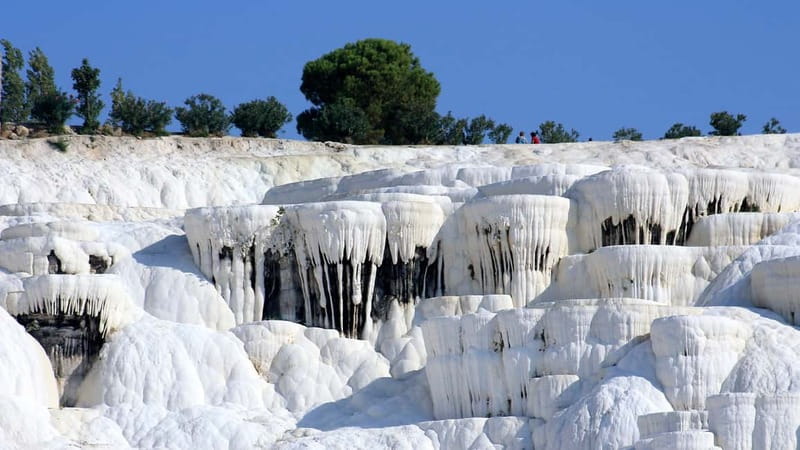
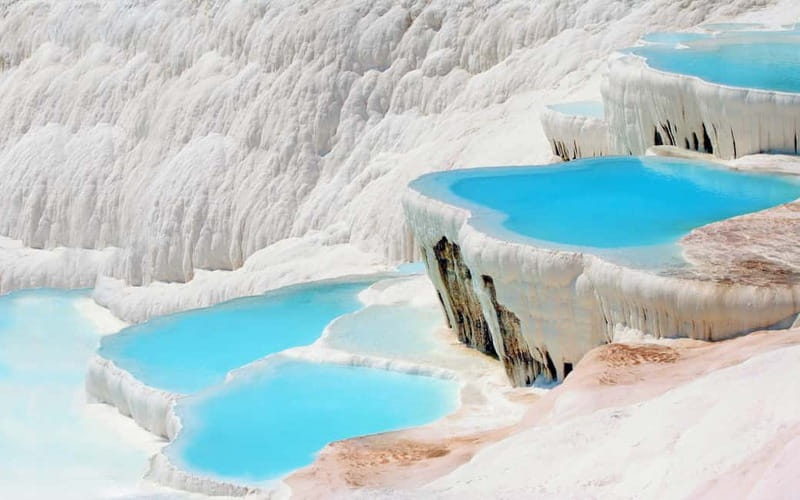
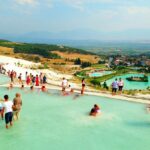
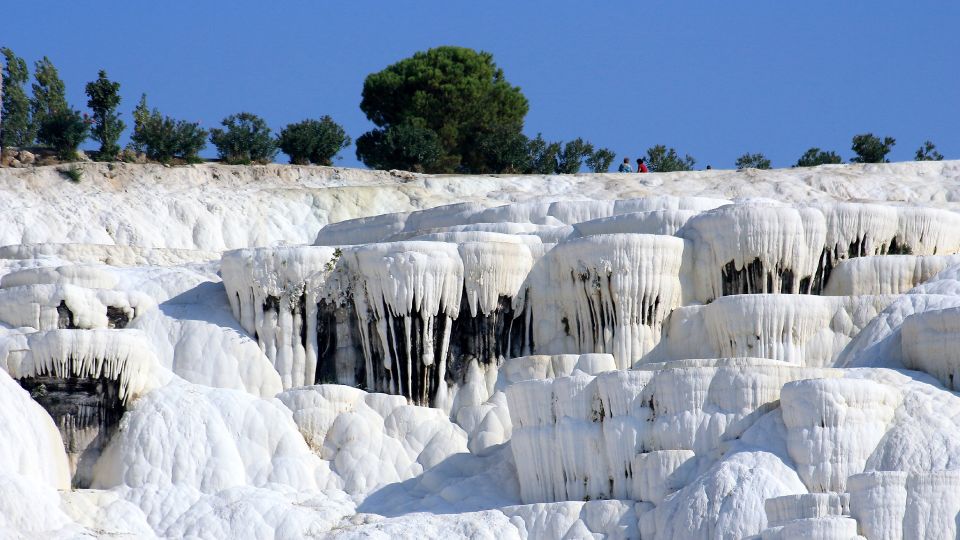
Pamukkale’s terraces are the reason most people come. The warm thermal water flows over the slope, and the minerals leave a calcite deposit that creates those white, stepped formations. The effect is otherworldly in photos, but even better in person when you can actually walk along the different levels.
I like that this tour gives you time to do more than just look from one spot. You get a guided segment at Pamukkale and enough time to walk the terraces, pause for photos, and spend time in the thermal pools. You can also dip your toes in the mineral-rich water while you take in the views.
Practical on-the-ground advice:
- Wear comfortable shoes with grip. The surfaces can be uneven around the terraces and pool areas.
- Bring sunscreen and a hat. Shade is limited, and you’ll be exposed during your walk.
- Expect to move slowly and watch your step. Even when it looks like smooth stone, it’s still a site with irregular footing.
If you’re the type who enjoys seeing how the natural process creates a place, you’ll get a lot out of the calcite-and-water story. If you just want the highlights, the main strategy is to pace yourself and save your energy for the terraces and the pool time—those are the moments you’ll remember.
Antique Pool (Cleopatra’s Pool): a warm soak with Roman ruins nearby
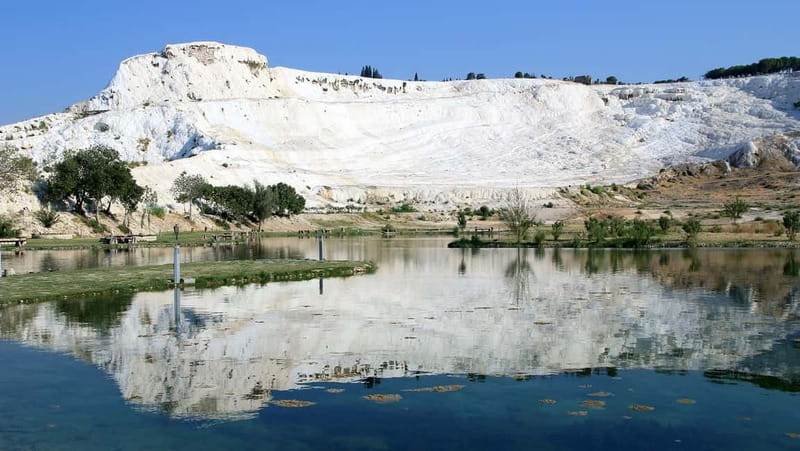
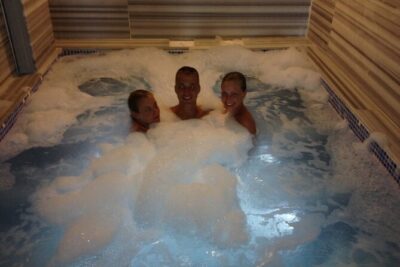
One of the most memorable stops is the Antique Pool, often associated with Cleopatra’s Pool. This is a warm mineral-water experience where you can relax while surrounded by scattered Roman column pieces and marble fragments.
Why this matters: it’s a different kind of “Pamukkale moment.” The terraces are about geology and sweeping visual drama. Antique Pool is the tactile break—the warmer, slower part of the day where you get to settle in and let the site sink in.
This stop also makes Pamukkale feel more layered than just a natural attraction. You’re standing in a setting that connects thermal bathing culture to the Roman world, which pairs nicely with what you’ll see later at Hierapolis.
Logistics-wise, remember this day is timed tightly. If you want extra time in the pool area, plan to be ready during the scheduled pool time rather than lingering at photos too long earlier. Your camera will want a workout here—just don’t lose track of your schedule.
Hierapolis ruins with a guide: Roman Theater, Necropolis, Apollo
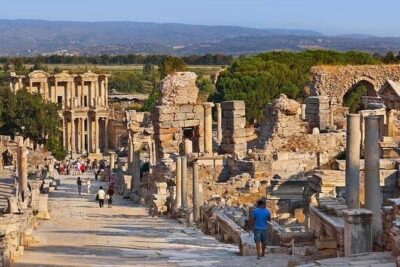
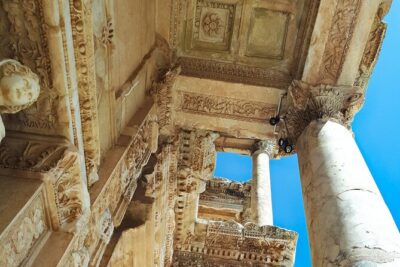
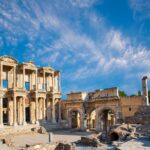
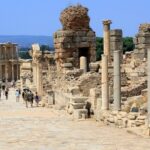
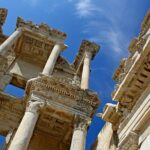
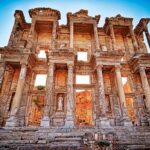
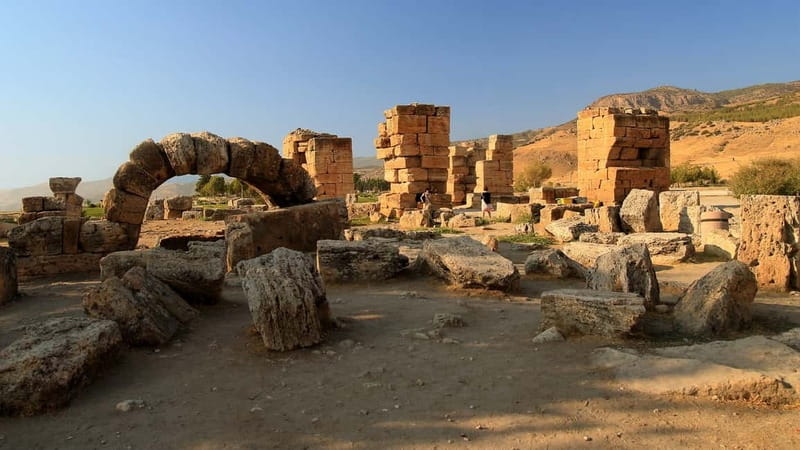
Hierapolis is where the day shifts gears from nature to the built world. Founded around 190 BC, the city became known as a therapeutic and religious center during Roman times. You’ll tour key ruins that show how the Romans used space for public life, worship, and burial customs.
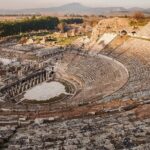
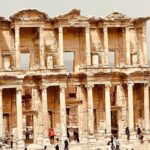
The Roman Theater is the headline stop: it once hosted plays and public events and could seat around 12,000 people. Even if you don’t plan to imagine every performance detail, the scale gives you a real sense of civic life. The theater also helps you understand the city layout in a simple way: public gatherings were a major part of the culture.
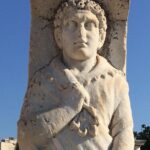
Then comes the Necropolis, an ancient graveyard with elaborate tombs and sarcophagi. This is less about big structures and more about detail—carved elements, stone forms, and burial practices that feel very “place-based.” If you like archaeology with personality, this is a good spot to slow down.
Finally, you’ll visit the Temple of Apollo ruins. It’s a smaller physical footprint than the theater, but it ties the tour together thematically by showing the religious side of Hierapolis. You’ll walk away with a clearer sense of why this place mattered beyond tourism.
The time you get here is shorter than Pamukkale, so your best move is to keep your questions ready. Even a brief guided walk can help you connect what you’re seeing to why it existed.
You can also read our reviews of more tours and experiences in Kusadasi

Lunch and drinks: plan for what’s included and what’s not
There’s a traditional Turkish lunch stop in the day’s flow. The tour highlights that you’ll have a local restaurant meal with regional dishes such as kebabs and mezes, along with salads and Turkish dessert.
Just be aware: lunch and drinks are not included in the price. That means you should expect to pay for your meal and any beverages on the spot unless your selected option specifically says otherwise.
For a long day like this, I suggest thinking of the lunch stop as your main fueling point. If you tend to get hungry during drives, have a snack strategy before you leave your pickup location. Then you can treat lunch as a proper sit-down break rather than a rushed meal.
Also, keep your water needs in mind. Since drinks aren’t included, budget a little extra for basic hydration.
Guide quality, skip-the-line time, and what your $102 covers
At $102 per person, you’re paying for more than just transport. What makes it feel like value is that it includes a professional licensed guide, a professional driver, and transportation in a comfortable air-conditioned vehicle, plus pickup and drop-off from your selected area. It also includes skip-the-ticket-line help, which can be a big deal at busy sites.
Entrance fees are not included, so the final total will be higher once you add on site tickets. Still, skipping waiting time can make the day feel smoother—especially when you’ve got limited hours.
One detail I especially appreciate is that the guide is English-speaking and live, not just a standard recording. In one example, the guide named Eren was described as very nice, though there was also feedback that the historical narration could have been more consistent during parts of the day. The takeaway for you: if you care about deeper interpretation, ask questions early and again when you’re at each major stop.
Also note the pacing trade-off: you might get a mix of guided time and self-paced time. That can be great if you want flexibility for photos and a slower look. It’s not ideal if you want constant commentary.
Who this tour fits best (and who should think twice)
This tour is a strong match if you want:
- The Pamukkale travertines and thermal pools plus Hierapolis Roman ruins in one day
- A guided structure in English, with a licensed guide
- Pickup convenience from Kuşadası or Selçuk
- Help skipping the ticket line
It may be less perfect if you:
- Want long stretches of guided, history-heavy walking throughout every step
- Prefer a less crowded, more flexible pace with deeper explanations at every ruin
- Are sensitive to long driving and schedule blocks, since the day includes extended time away from the sites
If you’re traveling with a group and you can choose a private option, you may get a better fit for your preferred pacing. For independent history lovers who like asking follow-up questions, private can also make it easier to tailor the day without feeling rushed.
Should you book this Pamukkale and Hierapolis tour?
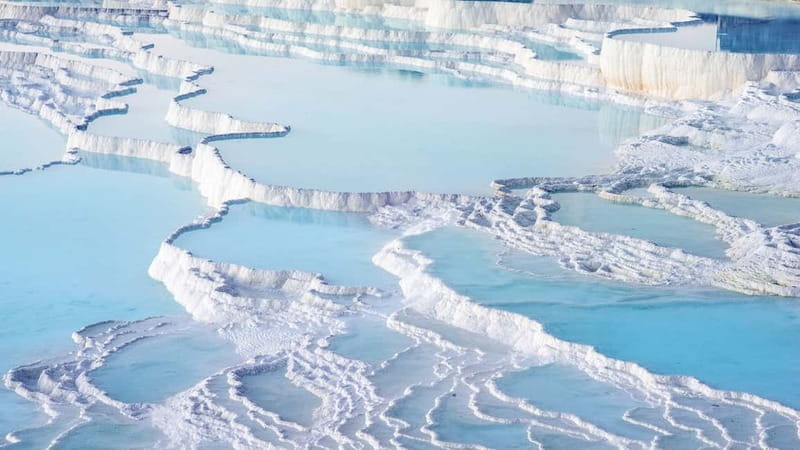
I’d book it if you’re coming from the Kuşadası or Selçuk area and you want the biggest hits without juggling transport and timing yourself. Pamukkale’s terraces plus Antique Pool is the kind of combo that feels worth the full day even when you’re tired from the drive. Then Hierapolis adds the Roman layer—Roman Theater scale, Necropolis mood, and Apollo ruins—to round out the story.
Skip this only if you know you want a very long, uninterrupted guided lecture. In that case, pick a private setup and go in ready with questions, or consider splitting your time across separate half-day plans if you can.
FAQ
FAQ
How long is the Pamukkale and Hierapolis tour?
The tour duration is listed as 9 to 11 hours, depending on the starting time you choose.
Where are the pickup locations?
Pickup is available from Kuşadası or Selçuk.
What language is the guide?
The live tour guide is available in English.
Is this tour private or group?
You can choose a private group option, or a small group option depending on what you select.
Are entrance fees included?
No. Entrance fees to the sights are not included in the price.
Is lunch included?
No. Lunch is not included.
Are drinks included?
Drinks are not included unless specifically mentioned for your option.
How much time do you spend at Pamukkale?
You get about 3 hours for the Pamukkale hot springs area with a guided tour.
How much time do you spend at Hierapolis?
You get about 1 hour for Hierapolis with a guided tour.
What should I bring?
Bring comfortable shoes, sunglasses, and sunscreen. A hat is recommended because shade is limited.