REVIEW · SELCUK
House of Mary and Ephesus Tour with Lunch FROM KUSADASI
Book on Viator →Operated by Tour Altinkum Travel · Bookable on Viator
Two worlds of worship and ruins in one day.
This tour strings together the House of the Virgin Mary, the staggering Ephesus Ancient City, and a stop at the Temple of Artemis (one of the Seven Wonders) with a proper lunch in Selçuk. Add hotel pickup from Kusadasi and it feels like a smooth plan rather than a scramble through sites on your own.
What I like most is the balance: a local guide tells the story as you walk, and you still get an easy break for lunch instead of racing from one stop to the next. You’ll also appreciate the small-group size (typically 8–12, with a max of 15), which makes it easier to ask questions without shouting over a busload of people. Guides I’ve seen mentioned by name include Anastasia, Barb, and Risa, and the common thread is clear, organized storytelling.
One thing to think about: entry tickets are not included, so your final cost may be a bit higher than the advertised price once you pay on-site for the House of Mary and Ephesus. In hot months, plan for sun too—one practical tip that comes up often is bringing an umbrella for shade while you’re walking in Ephesus.
In This Review
- Key takeaways before you go
- Why This Kusadasi Day Trip Works for Most People
- Mary’s House: A Calm Start North of Ephesus
- Ephesus Ancient City: Walking a Crossroads of East and West
- Selçuk Lunch: A Real Break Between Ruins
- Temple of Artemis: Seven Wonders With a Side of Ancient Finance
- Guide Style and Small-Group Size: The Difference You Feel
- Tickets, Timing, and What to Bring for a Comfortable Day
- Is This Tour for You?
- Should You Book This House of Mary and Ephesus Tour With Lunch?
- FAQ
- How long is the tour from Kusadasi?
- Is hotel pickup and drop-off included?
- Is lunch included?
- Are entry tickets included for the sites?
- What language is the tour guide?
- How big are the groups?
- Can kids enter for free?
- Notes on canceling
Key takeaways before you go
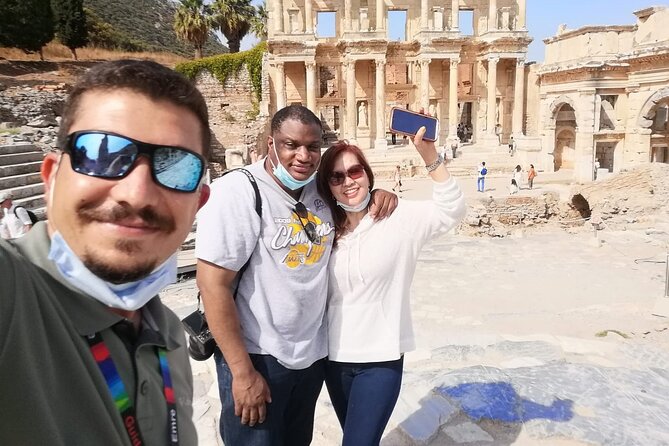
- Hotel pickup from Kusadasi makes the day simple, with you meeting your guide and starting from your area.
- Mary’s House is more than a church visit: it’s presented as a sacred site connected to the last days of Mary, north of Ephesus.
- Ephesus is timed like a walking tour, not a museum crawl, so you see the core highlights in about two hours.
- The Temple of Artemis stop is short but information-heavy, including details like its Ionic columns and how the cult drew pilgrims.
- Lunch in Selçuk is built into the schedule, so you’re not hunting for food while everyone else is touring.
- Small groups help the guide adjust to you, which can matter when it’s warm and you want answers fast.
Why This Kusadasi Day Trip Works for Most People
This is the kind of tour that makes sense if you have limited time in the area. You’re based in Kusadasi, and the route is structured so you’re not spending hours figuring out logistics between stops. Pickup and drop-off are included, and the total day runs about 5 to 6 hours, which is a nice slot for seeing big names without burning your whole vacation day.
Price-wise, it’s strong if you want a guided day with lunch included. The advertised rate covers the licensed guide, transport from Kusadasi, lunch, and local car park/taxes. The part that can shift the final budget is that admission tickets aren’t included, so you should expect to pay separately at the sites.
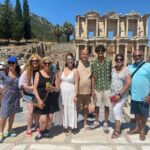
Another quiet advantage: the group size stays small. With up to 8–12 people (and a max of 15), the tour is more likely to feel like a guided walk than like you’re being herded. That matters at Ephesus, where you’ll want to hear what you’re looking at without constantly breaking your rhythm.
You can also read our reviews of more tours and experiences in Selcuk
Mary’s House: A Calm Start North of Ephesus
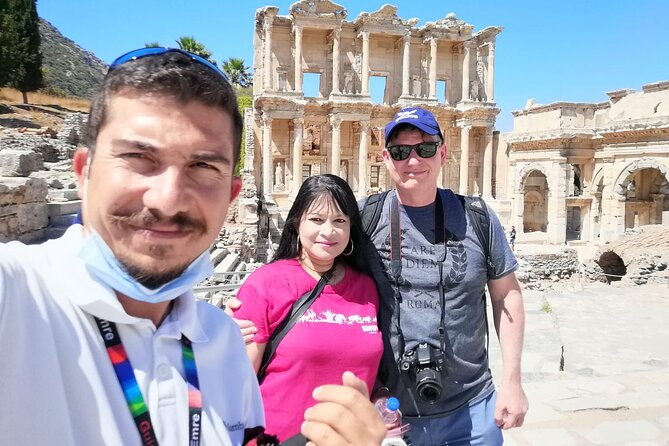
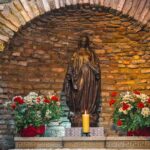
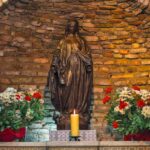
The day begins with the House of the Virgin Mary, located about 6 km north of the ruins of Ephesus. The tour frames it as a sacred place where a church was built from the 6th century AD over foundations believed to be from a 1st century AD house. It’s also associated with the belief that the Assumption took place on August 15, which is part of the way the site is explained to visitors.
Why this stop is worth it: it changes the mood right away. Ephesus later is massive, loud with history, and very outdoors. Mary’s House feels like a more reflective opening, so you start the day with context rather than immediately jumping into columns and street grids.
What to keep in mind:
- Admission isn’t included for this stop, so you may pay on-site.
- You’ll want comfortable walking shoes, since even smaller religious sites involve uneven ground and time standing around to take things in.
- If you’re the type who likes to understand why a place is important before you photograph it, this stop fits you well.
It’s timed at about one hour, which is enough to hear the story and still have a moment to pause on your own.
Ephesus Ancient City: Walking a Crossroads of East and West
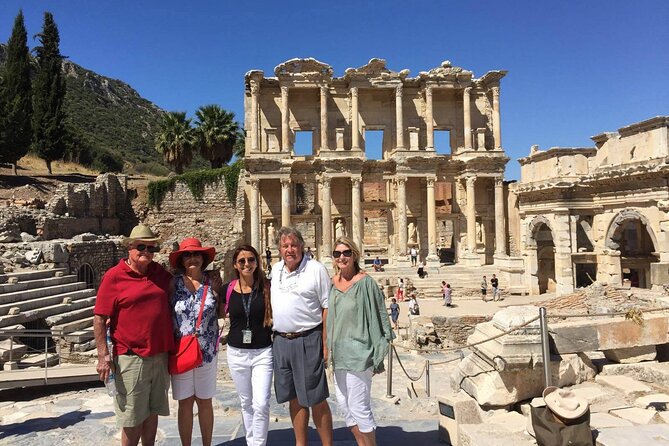
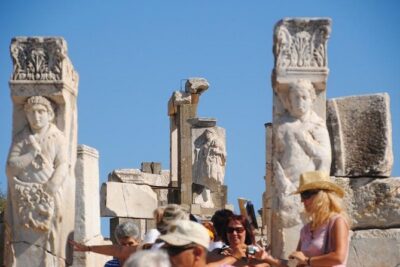
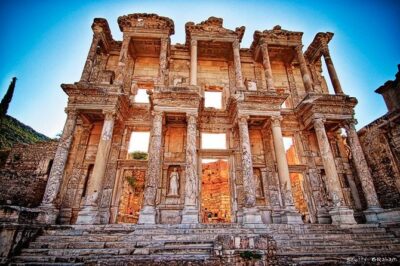
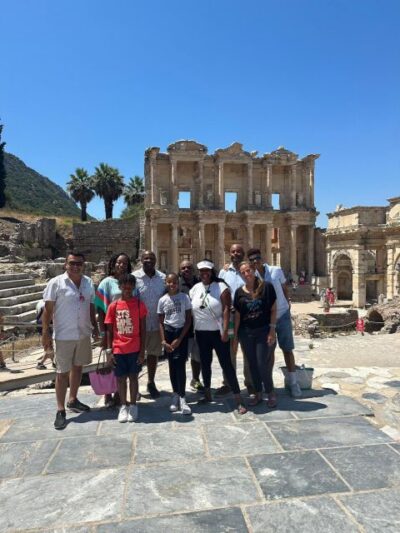
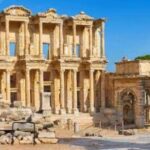
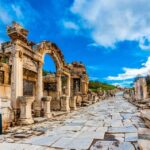
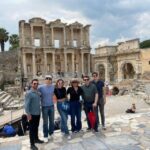
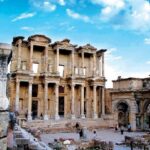
Then comes the big one: Ephesus Ancient City. This is described as one of the best preserved classical cities in the Eastern Mediterranean, and you can see why once you’re there. Even if you only have about two hours, you’re touring through the remains of a city that was enormous by ancient standards.
Here’s the context your guide should give you as you walk: during the 1st century AD, Ephesus was the second largest city in the world after Rome, with more than 250,000 citizens. It was positioned as a gateway between the East and West, and because the harbor helped drive trade, the city wasn’t just wealthy—it was connected.
You’ll also hear the human side of the setting. Ephesus gets mentioned as a place linked to Mark Anthony and Cleopatra’s honeymoon. That’s not the same as checking a document in a library, but it gives you a sense of how this wasn’t some forgotten corner. It was a headline destination.
What you’ll likely focus on while you’re there:
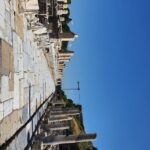
- The ancient streets that let you feel like you’re moving through a real city, not just passing ruins.
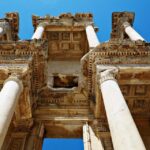
- A highlight connected to education and culture: Ephesus is home to what’s described as the third largest library of the ancient world.
- A major performance space: the largest Roman theatre on the Asia continent, which dominates the feeling of the site.
How to make the time count: two hours goes fast if you stop every few minutes to take photos and browse details. I recommend a simple strategy—pick a few priorities early (the theatre area, the street layout, and one or two monumental points) and then let the guide fill in the rest as you go. Your best experience comes from walking steadily and listening to the story while your feet move.
Also, consider the weather. A practical tip that’s worth taking seriously is using an umbrella as shade if you’re visiting in warm seasons. It’s not about comfort only—it can help you keep your energy for the later Artemis stop.
Selçuk Lunch: A Real Break Between Ruins
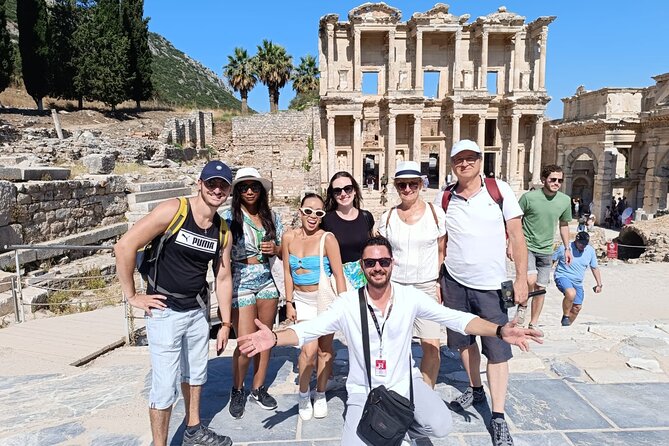
After Ephesus, you get a scheduled pause in Selçuk for lunch, about 30 minutes. This isn’t a random stop where you’re on your own to guess what to eat. Lunch at a local restaurant is included, and the tour keeps it simple so you can recharge without losing your place in the schedule.
The key detail for your planning: drinks at lunch are not included. That means if you normally buy a soda, tea, or water, you’ll want to plan for that extra cost. If you like to stay hydrated in warm weather, build that into your budget and habits.
Why this lunch break is a value: guided tours can become exhausting when every hour is a sprint. A real sit-down meal helps you handle the emotional fatigue that comes from staring at ruins for hours. You’ll come back to the Temple of Artemis stop with better patience and sharper attention.
Temple of Artemis: Seven Wonders With a Side of Ancient Finance
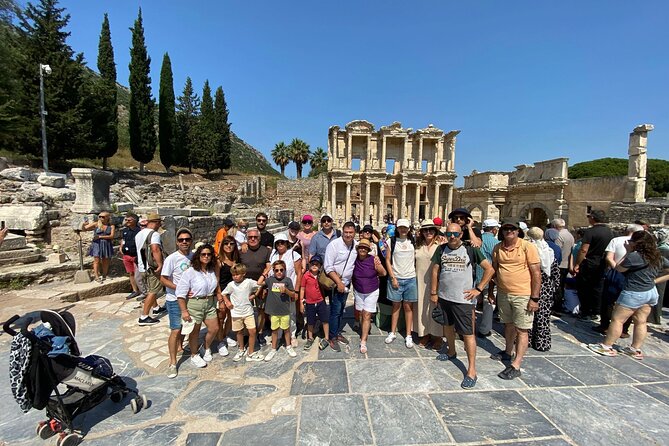
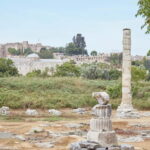
The final major site is the Temple of Artemis, tied to one of the Seven Wonders of the Ancient World. Even if you don’t know the story yet, you’ll recognize the significance once you learn what the tour emphasizes: Artemis had a famous cult in antiquity, and worship there helped make Ephesus a major pilgrimage destination.
Your guide should connect this directly back to Ephesus. The Temple of Artemis is often described as a place people traveled to, not just a structure people passed by. That makes it feel like the city’s religious engine rather than an isolated monument.
Specific details to look for in the explanation:
- The temple is described as having 127 Ionic columns.
- Their height is given as about 19 meters.
- The temple is also described as being considered the earliest bank of the ancient world.
That last point is fun because it reframes the Temple of Artemis. You’re not only looking at religion and art—you’re also thinking about how worship spaces and economic activity blended in the ancient world.
The stop is short—about 30 minutes—so treat it as a focused finale. Aim for photos that show scale, and then let the guide’s story fill in the larger picture. If Ephesus is about city life, Artemis is about belief and power, and it’s a nice way to close the loop.

Guide Style and Small-Group Size: The Difference You Feel
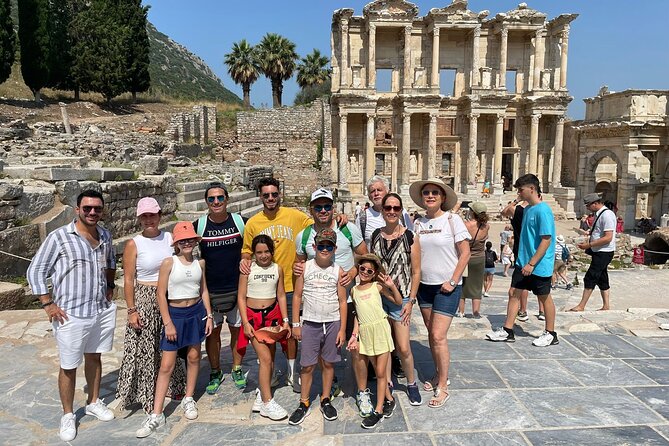
This tour is led by a professional licensed tour guide, and the language offered is English. Group size is intentionally kept small—commonly 8–12 people, with a maximum of 15—so you’re more likely to get real conversation instead of just hearing facts through a microphone.
Why this matters at Ephesus: ruins are big, and people tend to get lost in their own head. A good guide helps you see what connects the pieces. That includes explaining how the city functioned, why certain structures mattered, and what to notice in the street layout and monumental points.
Names that have come up in guide mentions include Anastasia, Barb, and Risa. What stands out across those mentions is that the guiding is presented as organized and engaging, not just a list of dates. One practical theme I’ve seen in descriptions is flexibility in how the day runs, with guides ready to answer questions and adapt when the pace or heat changes.
If you like history but hate feeling like you’re sitting through a lecture, this kind of small-group format is the sweet spot.
Tickets, Timing, and What to Bring for a Comfortable Day
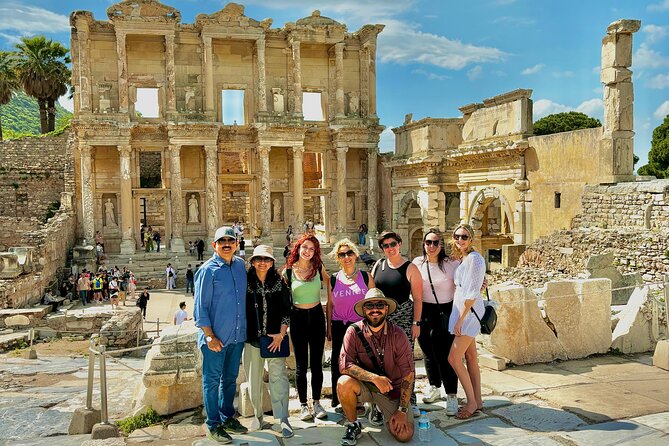
Here’s the simple budget math: the tour price includes guide, pickup/drop-off from Kusadasi, lunch, and local taxes/car park fees. Entry tickets are not included, so add that to your planning for Mary’s House and Ephesus. The Temple of Artemis stop is listed with admission ticket information as free, but plan as if the paid sites will cost extra.
If you’re traveling with kids: the info provided says there’s free entry for children 8 years and below, and you should bring a passport for them.
Timing-wise, the tour day flows in linked stops: meet and depart from Kusadasi, then Mary’s House, then Ephesus, lunch in Selçuk, Temple of Artemis, and return to your hotel. Since the total is about 5 to 6 hours, there isn’t tons of spare time for detours.
What you should bring to stay comfortable:
- Sun protection: at minimum, a hat and sunscreen. A more specific tip that fits Ephesus conditions is bringing an umbrella for shade.
- Comfortable shoes: the day involves walking on uneven ground and through broad outdoor spaces.
- A light layer: even in warm weather, it can help when moving between shade and direct sun.
Also note the tour uses a mobile ticket, so make sure you can access it easily before pickup.
Is This Tour for You?
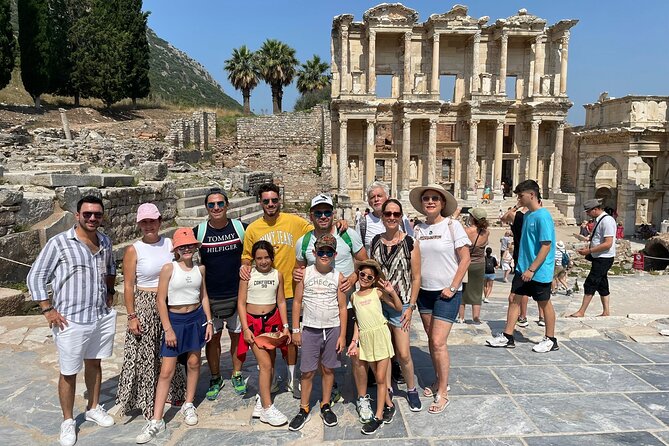
This works well if you:
- Want a guided first visit to Ephesus ruins without planning the route yourself.
- Prefer a schedule that includes a real meal instead of squeezing food between stops.
- Like small groups and a guide who can answer questions.
- Are interested in religious history tied to Mary, plus major ancient architecture tied to Artemis.
You might not love it if you:
- Want more than a quick highlight walkthrough of Ephesus. Two hours is enough for core sights, but it won’t satisfy the most obsessive detail hunters.
- Have a tight budget and hate added costs from separate entry tickets. Since tickets aren’t included, your total will be higher.
For many people, this is the practical middle path: enough time to feel the place and enough guidance to make the ruins understandable.
Should You Book This House of Mary and Ephesus Tour With Lunch?
I’d book it if you want a well-paced day that covers the big three—Mary’s House, Ephesus, and Temple of Artemis—with pickup from Kusadasi and lunch included. The small group size is a real quality-of-life upgrade, and the guide-led format helps you see meaning in what you’re standing in front of.
I’d think twice if you don’t want any on-site spending for tickets, or if you plan to spend hours inside Ephesus beyond the highlights. In that case, you might prefer a longer Ephesus-focused plan.
Bottom line: for most first-time visitors in the area, this is good value and a sensible way to experience some of Turkey’s most famous ancient sites without turning your day into a logistics project.
FAQ
How long is the tour from Kusadasi?
The tour runs about 5 to 6 hours.
Is hotel pickup and drop-off included?
Yes. Pickup and drop-off from Kusadasi hotels are included.
Is lunch included?
Yes. Lunch is included at a local restaurant in Selçuk.
Are entry tickets included for the sites?
No. Entry tickets are not included. Admission tickets are listed as not included for the House of the Virgin Mary and Ephesus.
What language is the tour guide?
The tour is offered in English.
How big are the groups?
Group sizes are up to 8–12 people maximum, and the tour has a maximum of 15 travelers.
Can kids enter for free?
Children aged 8 and below can enter for free, and you should take a passport for children.
Notes on canceling
Free cancellation is offered up to 24 hours in advance for a full refund.