REVIEW · SELCUK
From Istanbul: Ephesus & Pamukkale 2-Day Trip with Flights
Book on GetYourGuide →Operated by Tour Altinkum · Bookable on GetYourGuide
Two days to hit two UNESCO heavyweights. This trip is built around Istanbul flights and a full guided Ephesus walk, so you spend less time in transit and more time seeing Roman streets and early Christian sites. I also like that Day 2 pairs Pamukkale hot springs with Hierapolis’ thermal ruins, not just one quick photo stop. The main thing to watch: admission fees are not included, and you pay your guide in cash (EUR, USD, or TRY).
You fly in, get picked up, and follow a tight but realistic rhythm: Selçuk and Ephesus on Day 1, then Pamukkale and Hierapolis on Day 2, finishing with a drive to Cardak Airport for the return flight. One detail to verify before you go: the description references an overnight stay connected to Kusadasi, while the included list mentions Cappadocia—check your voucher so you’re not guessing where you’ll sleep.
In This Review
- Key points to know before you go
- Aegean UNESCO in 48 hours: how the Istanbul rhythm works
- House of the Virgin Mary: a calm stop with big spiritual weight
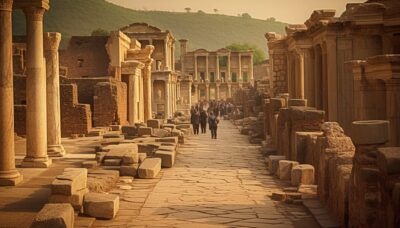
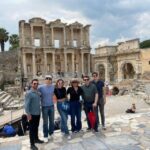
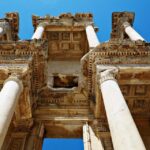
- Ancient Ephesus and the Temple of Artemis: Roman streets you can still walk
- Day 2 at Pamukkale: thermal pools and how to make time for the white terraces
- Hierapolis Sacred Pool: necropolis atmosphere with thermal water over ruins
- Guides, group pace, and transfers that keep stress low
- Price and value at about $472: what you get, what costs extra
- Who this 2-day trip fits best (and who might feel rushed)
- FAQ
- FAQ
- How long is this Ephesus and Pamukkale trip?
- Is pickup from my Istanbul hotel included?
- Are the domestic flights included in the price?
- What are the main places you visit?
- Where do you fly to and from?
- Is admission to the attractions included?
- What meals are included?
- What luggage allowance is included?
- What documents should I bring?
- What languages are the guides available in?
- Is free cancellation available?
- Should you book this tour?
Key points to know before you go
- Flight plus transfers keep this doable: you fly Istanbul → Izmir, meet your driver on arrival, and return via Cardak Airport.
- Ephesus is the centerpiece, not a drive-by: Temple of Artemis, ancient streets, and time on the site with a live guide.
- Mary stop adds early Christian context: the House of Virgin Mary is built on foundations tied to the Assumption.
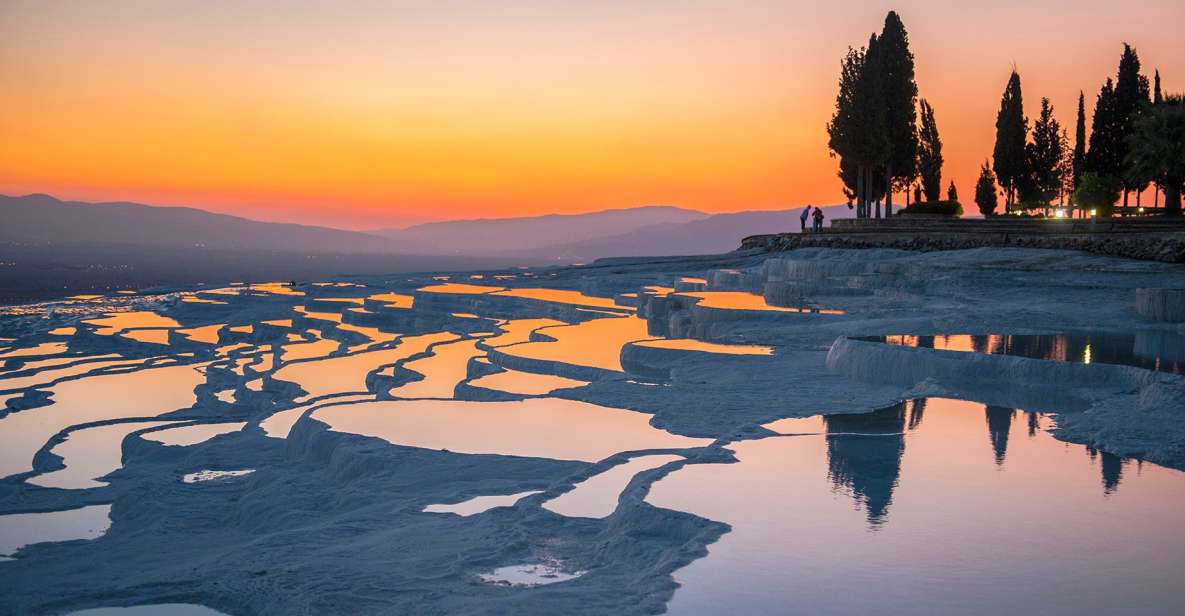
- Pamukkale is built around thermal time: you’ll see the white travertine pools and the hot-spring setting before Hierapolis.
- Sacred Pool connects the thermal story: thermal water ripples over ruins at Hierapolis.
- Skip-the-line helps, but admissions still cost extra: your guide handles entry tickets, but you pay in cash.
Aegean UNESCO in 48 hours: how the Istanbul rhythm works
This is a true short-hold itinerary: you’re using domestic flights to compress what would otherwise be a long road trip. Day 1 starts with pickup from your Istanbul hotel, then a transfer to the airport. After the flight to Izmir (about 1.5 hours), you’re met and taken to Selçuk to connect with the group.
Why I like this structure for you: Ephesus and the Pamukkale–Hierapolis area are both UNESCO-level sites, but they’re not close enough to see properly without clever logistics. This tour’s whole value is that it does the planning for you—airport transfers, group meeting point, and air-conditioned transport between stops.
A practical note: it’s a group tour with a live guide in English, Japanese, or Spanish, and you should expect the schedule to move. That’s great when you want maximum sights, but if you travel at a slow pace or hate early starts, you may feel the day is moving.
You can also read our reviews of more tours and experiences in Selcuk
House of the Virgin Mary: a calm stop with big spiritual weight
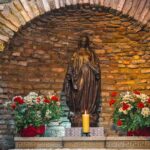
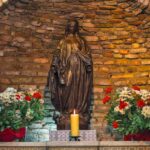
After arriving in the Selçuk area, your Day 1 route includes the House of Virgin Mary. The site is described as a church built on the top of foundations thought to be linked to Mary’s Assumption, and it’s also associated with her last days.
What this stop means on a practical level: it slows the tour down compared with the busy scale of Ephesus. Even if you’re not a religious traveler, you’ll likely appreciate how the stop frames the region’s identity. Ephesus often gets talked about as a Roman and classical powerhouse, but this is where the early Christian thread shows up.
What you’ll likely enjoy here:
- A moment of quiet before the crowds and crowds of columned streets.
- A different kind of storytelling than what you get at ruins.
What to consider: this is a short time window within a two-day sprint. If you want to linger, plan to do it quickly and then re-focus when the group moves to Ephesus.
Ancient Ephesus and the Temple of Artemis: Roman streets you can still walk
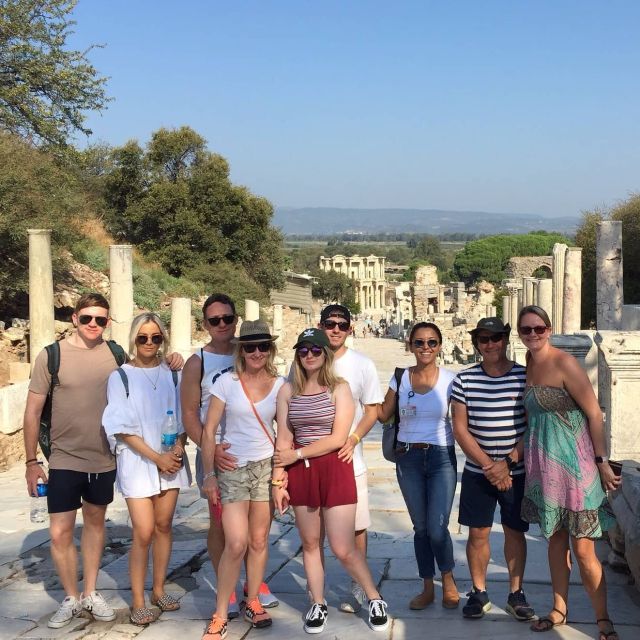
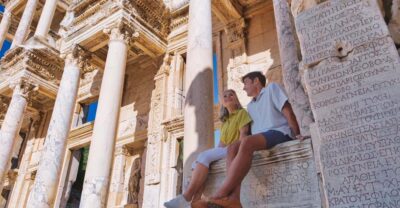
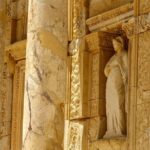
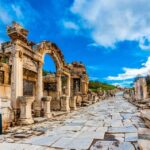
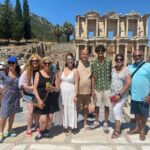
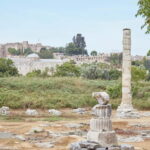
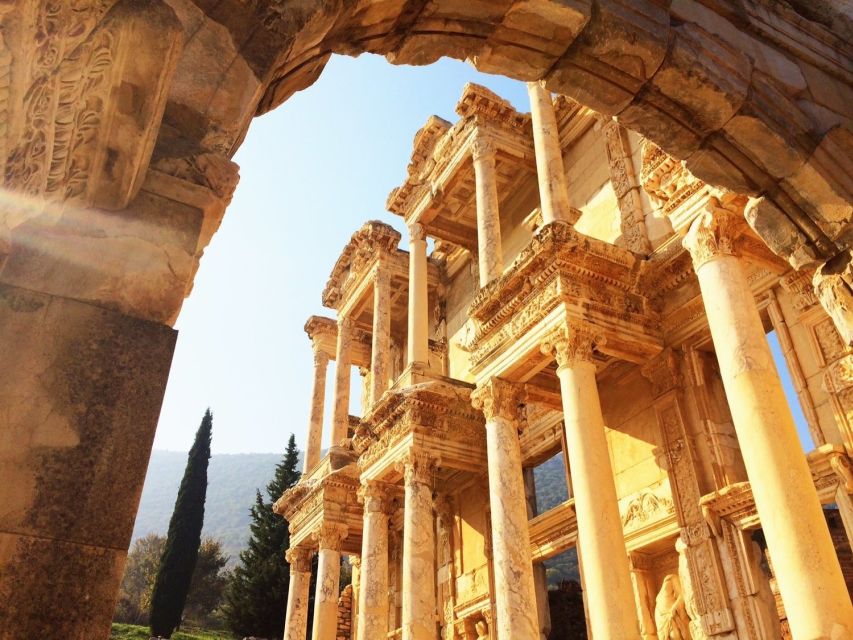
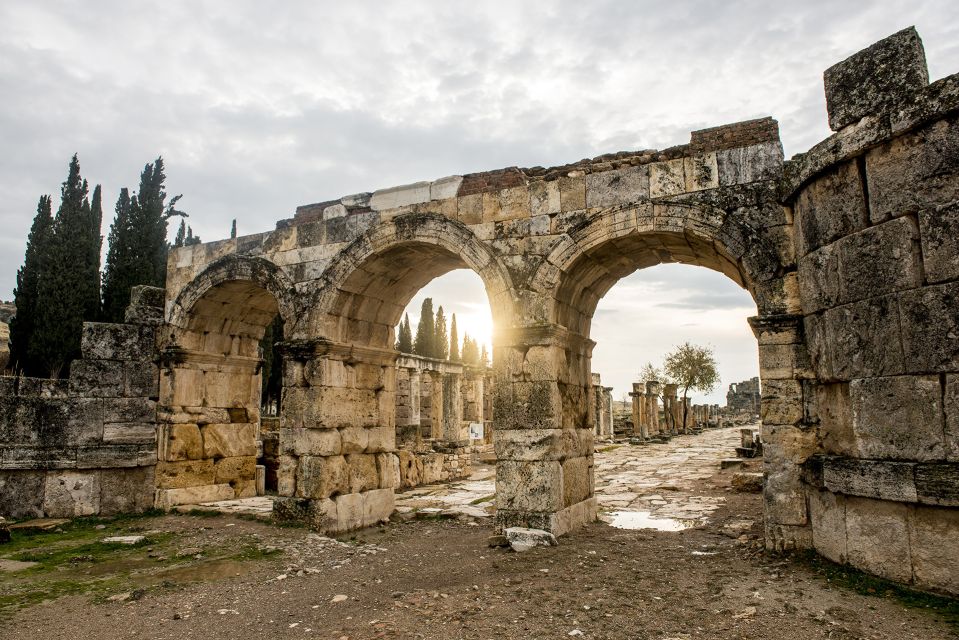
Ephesus is the reason most people choose a trip like this, and the tour doesn’t hide that fact. You visit the ancient city as a preserved, classical city in the Eastern Mediterranean. You’ll also see the Temple of Artemis, described as one of the Seven Wonders of the World.
Here’s what I think you should expect, based on how the stop is typically run on organized tours like this:
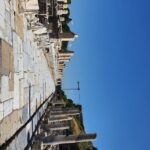
- You’ll walk ancient streets where the scale hits fast. Even before the detailed stories, the sheer layout helps you understand why Ephesus mattered.
- Your guide adds the human timeline: Romans, and then early Christians, weaving the site together instead of treating it as just a pile of stones.
The Temple of Artemis stop works as a contrast. Ephesus is a whole living-in place from many eras; Artemis is tied to a specific monumental idea—power, worship, and wealth in one frame. For first-timers, it’s a good way to get a mental map before you move deeper into the city ruins.
A small reality check: you’re moving through a very popular archaeological area. Admission fees are not included, so you’ll want to budget extra and carry the payment method your guide can accept. The tour says guides have pre-paid skip-the-line tickets to avoid queues, but you still pay the admissions in cash.
Day 2 at Pamukkale: thermal pools and how to make time for the white terraces
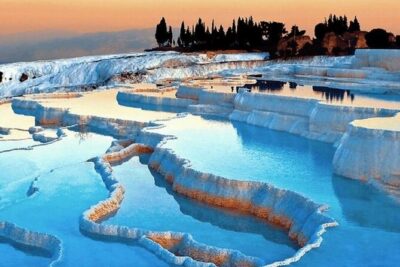
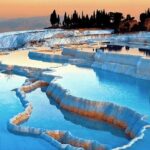
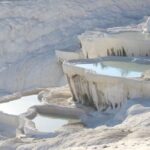
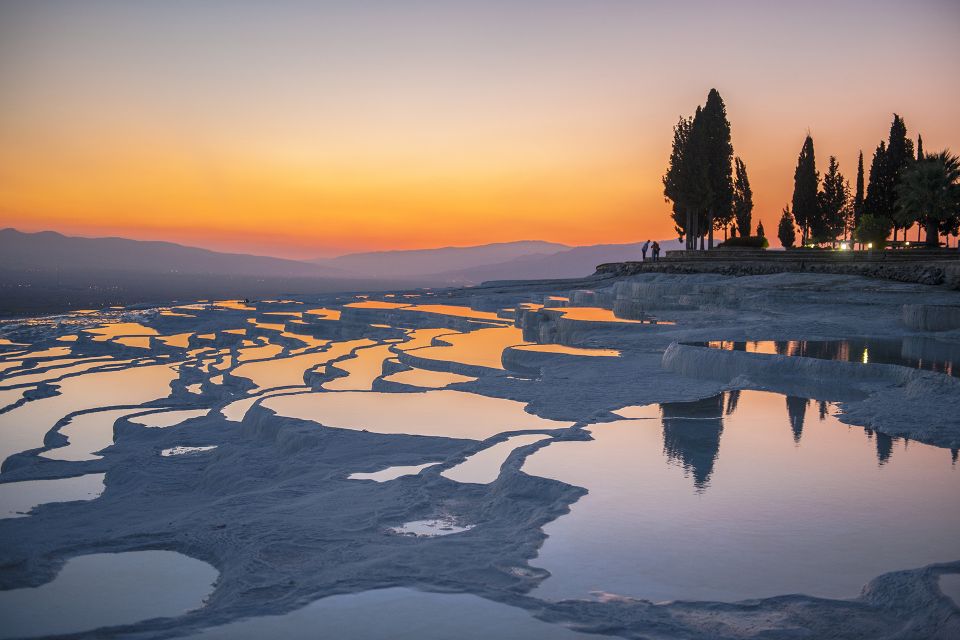
Morning starts with breakfast at your accommodation, then you check out and head toward Pamukkale—also called the Pools of Heaven. The description highlights why Pamukkale drew people to settle there: hot springs and the thermal bathing setting.
This is the kind of stop where your first reaction is usually visual, and your second reaction is practical. The white travertine pools look like an Instagram filter, but once you’re there, the experience is about time in the thermal zone. If you want to feel like you actually did something and not just walked past it, keep your schedule flexible enough for a real soak.
What makes Pamukkale special on this tour is the pairing. You don’t just get the terraces; you also go on to Hierapolis right after, so your Day 2 feels like one connected thermal story—Pamukkale as the bathing world, Hierapolis as the ruins world.
A consideration: you’re likely doing this in a full-day block. If you’re sensitive to heat or time in warm water, plan your pacing early. Wear shoes you trust, and keep an eye on your belongings if you’re changing near the pools.
Hierapolis Sacred Pool: necropolis atmosphere with thermal water over ruins
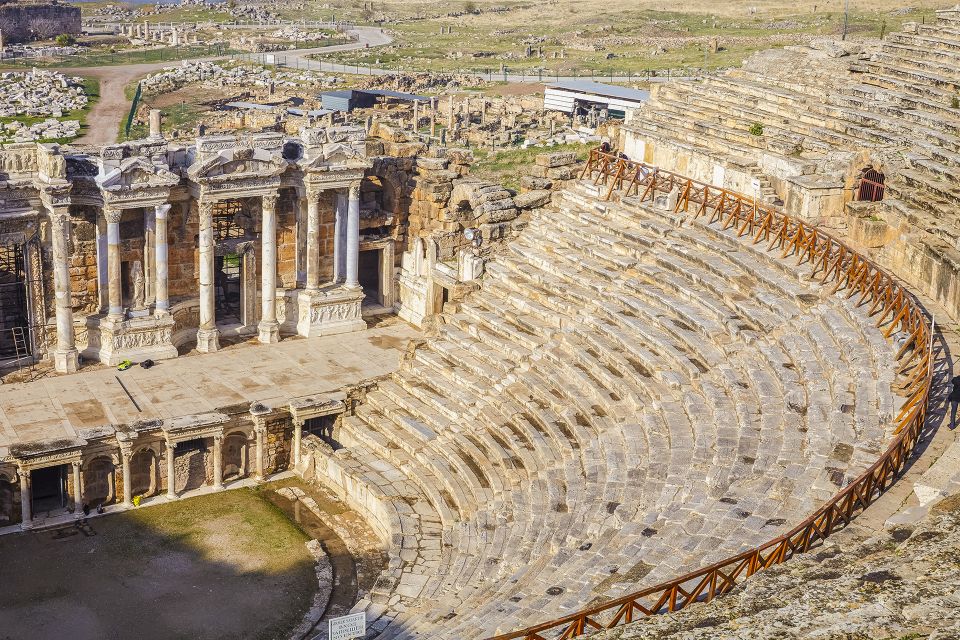
After Pamukkale, you move to the ancient city of Hierapolis. This is described as home to the biggest necropolis in Anatolia, and the tour includes the Sacred Pool—thermal waters rippling over scattered ancient ruins.
This stop can hit differently depending on your interests. If you love big ruins sites, Hierapolis gives you a dramatic setting without requiring you to interpret every stone. The Sacred Pool is the main moment because it turns the thermal theme into something you can see happening in real time: water motion and ancient remains sharing the same frame.
Why it’s valuable for you, even on a two-day trip:
- It connects the region’s Roman-era scale to later religious meaning.
- You get a clear transition from bathing (Pamukkale) to memorial and city life (Hierapolis).
If you’re the type who likes photos, you’ll have opportunities. If you’re the type who likes stories, your guide should be the key. Ask questions about Romans and early Christians while you’re there—this kind of site practically begs for context.
You can also read our reviews of more tours and experiences in Selcuk
Guides, group pace, and transfers that keep stress low
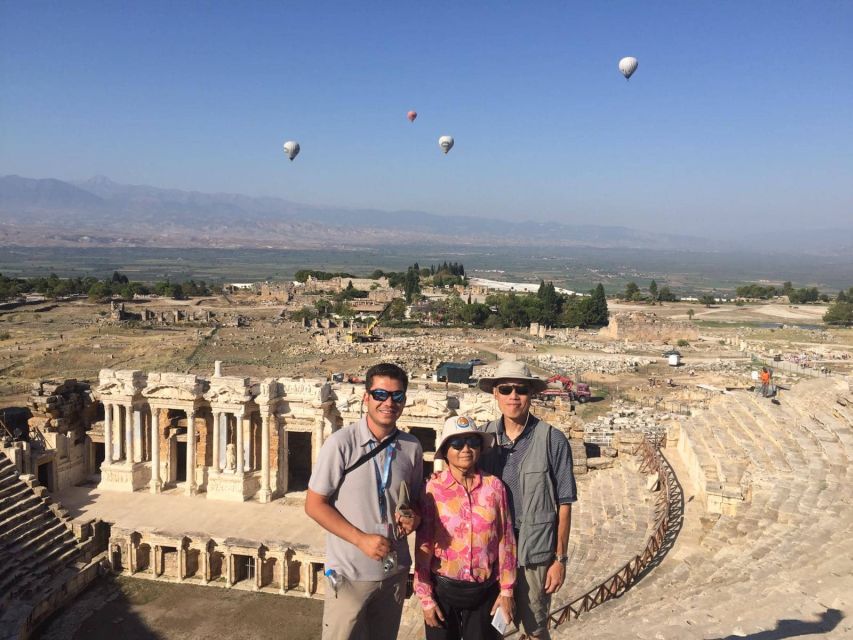
The best thing about a tight itinerary is what you don’t see: the behind-the-scenes coordination. This tour is built around pickup timing, airport handoffs, and transport in an air-conditioned vehicle.
The tour’s rhythm includes:
- Istanbul hotel pickup with a driver holding a sign with your last name.
- Meeting your driver at Izmir after the flight with a name sign.
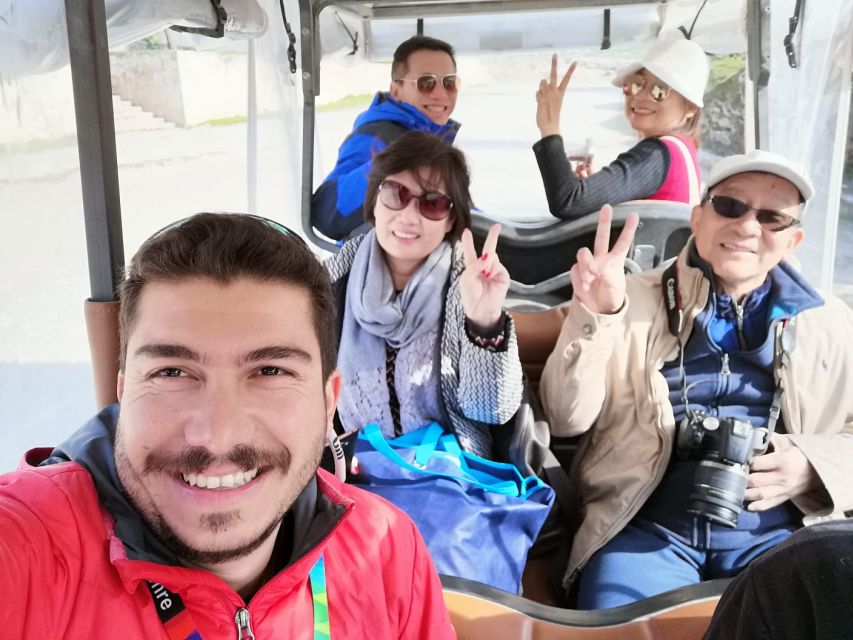
- A guided group tour with a live guide across both days.
You might also get guides with strong engagement skills. Some groups reported working with guides like Ogün, Midihar, Riza, Utku, Melis, and Emray, with praise for professionalism and keeping the information organized without turning the second day into repetition. One departure even noted the guide adjusting the mood when weather wasn’t ideal.
What I’d do as a traveler: assume the group will get a well-timed plan, but bring your own energy. If you’re tired, you’ll still see the sites—just don’t try to memorize every detail while walking uphill and down stone stairs.
One logistics point that matters: airport support is described as driver transfers only. In Istanbul, the driver drops you at the airport entrance, and you go to the check-in desk following provider instructions sent in advance. On arrival at your destination airport, the driver meets you with your name on a sign. That’s usually fine, but don’t show up assuming someone will stand with you through every step.
Price and value at about $472: what you get, what costs extra
The price listed is $472 per person for a 2-day trip with flights. At this price, you’re paying mainly for orchestration: guided touring, domestic flight time-saving, and ground transport plus meals.
From the included details, you typically get:
- Guided group tour
- 1-night accommodation
- Breakfast (at your accommodation)
- 2 lunches
- Airport transfers and transportation in an air-conditioned vehicle
- Baggage allowance and domestic flight tickets depending on which flight option you choose
What you should expect to pay on top:
- Admission fees to attractions
- Drinks
- If you choose a ticket-excluded option, the domestic flight tickets
The cash point matters. The tour says your guide has pre-paid skip-the-line tickets, but you pay the guide in cash (EUR, USD, or TRY). If you want the cleanest experience, bring cash for that purpose rather than relying on cards at the last second.
Also double-check two things that appear inconsistent in the details:
- One section mentions baggage allowance of 15 kg checked plus 8 kg hand luggage, while another says 25 kg checked plus 8 kg hand luggage.
- One place references an overnight in Kusadasi; another mentions accommodation in Cappadocia.
Neither of these issues should derail the trip, but both are worth verifying with the operator before you go. You want clarity on what you’re actually paying for and where you’re actually sleeping.
Who this 2-day trip fits best (and who might feel rushed)
This is a strong match if:
- You have limited time and want to see Ephesus and Pamukkale without building your own logistics.
- You like guided storytelling and want history tied to each stop, including Romans and early Christians.
- You’re okay with a structured day and moving as a group.
It might be a less ideal fit if:
- You hate crowds or prefer total control over pacing and lingering.
- You’re traveling with strict preferences about your hotel area, because the overnight location details should be checked against your voucher.
- You’re extremely budget-sensitive, since admissions and drinks are extra and you’ll be paying those via cash to the guide.
FAQ
FAQ
How long is this Ephesus and Pamukkale trip?
It’s a 2-day trip.
Is pickup from my Istanbul hotel included?
Yes. Pickup is included from your Istanbul hotel. You should wait in the hotel lobby about 10 minutes before the scheduled pickup time, and the driver will hold a sign with your last name.
Are the domestic flights included in the price?
The tour is available with or without domestic flight tickets. If you choose the ticket-excluded option, domestic flights are not included.
What are the main places you visit?
You visit Ancient Ephesus, the House of Virgin Mary, the Temple of Artemis, Pamukkale (Pools of Heaven), Hierapolis, and the Sacred Pool.
Where do you fly to and from?
You fly from Istanbul to Izmir for Day 1, then after Day 2 you’re driven to Cardak Airport for your return flight back to Istanbul.
Is admission to the attractions included?
No. Admission fees are not included. The guide has pre-paid skip-the-line tickets, but you pay the guide in cash (EUR, USD, or TRY).
What meals are included?
You get breakfast at your accommodation and 2 lunches during the tour.
What luggage allowance is included?
The details list baggage allowance as 15 kg checked plus 8 kg hand luggage in one place, and 25 kg checked plus 8 kg hand luggage in another. Check what your ticket voucher states.
What documents should I bring?
Bring your passport or ID card.
What languages are the guides available in?
Live tour guides are available in English, Japanese, and Spanish.
Is free cancellation available?
Yes. Free cancellation is available up to 24 hours in advance for a full refund.
Should you book this tour?
If you want a practical way to see Ephesus and Pamukkale without stitching together flights, guides, and transport yourself, this is a good choice. It’s also a smart pick if you value guided context—especially the Roman and early Christian connections—because the day is structured around those story beats.
Before you book, do two quick checks: confirm where you’ll stay overnight (the details reference Kusadasi and also Cappadocia), and confirm your baggage allowance plus how you’ll handle the extra admissions payment in cash. If those boxes are clear, you’ll get a lot of site time for a short trip—and you’ll come away with the kind of Turkey memories that feel bigger than 48 hours.